%22%3E%3Cpath%20fill%3D%22%23000%22%20d%3D%22M79.702%2078.555c0%2033.03%2018.767%2046.361%2035.801%2046.361%2014.149%200%2029.738-7.033%2034.505-28.595l-1.445-.306c-3.61%2015.903-14.005%2027.371-33.06%2027.371-13.86%200-13.716-22.173-13.716-41.594V67.415h49.662c0-23.393-13.136-40.674-35.946-40.674-17.034%200-35.801%2018.94-35.801%2051.814m35.801-50.283c14.437%200%2014.005%2026.455%2013.861%2037.617h-27.573c-.004-18.353.865-37.617%2013.712-37.617%22%2F%3E%3C%2Fg%3E%3Cmask%20id%3D%22b%22%20width%3D%22603%22%20height%3D%22126%22%20x%3D%220%22%20y%3D%220%22%20maskUnits%3D%22userSpaceOnUse%22%20style%3D%22mask-type%3Aluminance%22%3E%3Cpath%20fill%3D%22%23fff%22%20d%3D%22M602.5%200H.5v125.074h602z%22%2F%3E%3C%2Fmask%3E%3Cg%20mask%3D%22url(%23b)%22%3E%3Cpath%20fill%3D%22%23000%22%20d%3D%22M86.81%20105.474h-1.445c0%2010.547-4.475%2011.463-5.483%2011.463-2.454%200-4.475-3.514-4.475-11.921V48.264c0-14.83-10.826-21.558-22.229-21.558-10.97%200-22.66%206.118-25.983%2017.276V8.478c-.515-4.763-4.26-8.48-8.893-8.48H.522v1.53H.5c2.886%200%204.763%201.988%204.763%205.045v110.211c0%203.057-1.877%205.045-4.763%205.045h.022v1.531h31.423v-1.531h.021c-2.885%200-4.762-1.988-4.762-5.045V50.252c0-10.395%208.949-18.806%2016.31-18.806%205.338%200%209.813%204.13%209.813%2014.83v58.74c0%2013.909%207.796%2019.874%2016.165%2019.874%209.958.005%2017.318-6.418%2017.318-19.416%22%2F%3E%3C%2Fg%3E%3Cmask%20id%3D%22c%22%20width%3D%22603%22%20height%3D%22126%22%20x%3D%220%22%20y%3D%220%22%20maskUnits%3D%22userSpaceOnUse%22%20style%3D%22mask-type%3Aluminance%22%3E%3Cpath%20fill%3D%22%23fff%22%20d%3D%22M602.5%200H.5v125.074h602z%22%2F%3E%3C%2Fmask%3E%3Cg%20mask%3D%22url(%23c)%22%3E%3Cpath%20fill%3D%22%23000%22%20d%3D%22M225.911%2042.197c0-10.552-11.259-16.818-22.954-16.818-10.682%200-21.513%205.045-25.119%2016.975v-7.352c-.48-4.574-3.977-8.148-8.364-8.398h-18.322v1.53h-.022c2.886%200%204.763%201.99%204.763%205.046v81.371h.004c.293%204.814%203.942%208.633%208.509%208.846v.004h18.173v-1.53h.022c-2.886%200-4.763-1.989-4.763-5.045V48.62c0-10.552%209.094-19.269%2016.602-19.269%204.763%200%208.805%203.672%209.386%2012.693%200%206.881%204.619%2011.773%2011.119%2011.773%206.631%200%2010.966-4.587%2010.966-11.62%22%2F%3E%3C%2Fg%3E%3Cmask%20id%3D%22d%22%20width%3D%22603%22%20height%3D%22126%22%20x%3D%220%22%20y%3D%220%22%20maskUnits%3D%22userSpaceOnUse%22%20style%3D%22mask-type%3Aluminance%22%3E%3Cpath%20fill%3D%22%23fff%22%20d%3D%22M602.5%200H.5v125.074h602z%22%2F%3E%3C%2Fmask%3E%3Cg%20mask%3D%22url(%23d)%22%3E%3Cpath%20fill%3D%22%23000%22%20d%3D%22M234.434%2028.315c2.925%200%205.583%202.312%206.779%205.863l29.782%2089.218h1.597l20.61-61.852%2020.609%2061.852h1.598l29.781-89.218c1.196-3.556%203.855-5.863%206.78-5.863h.183v-1.776h-11.538v1.776h.184c2.925%200%203.99%202.312%202.794%205.863l-18.082%2054.209-18.082-54.209c-1.196-3.556-.131-5.863%202.794-5.863h.183v-1.776h-33.343v1.776h.183c2.925%200%205.583%202.312%206.78%205.863l8.373%2025.058-9.705%2029.15-18.082-54.208c-1.196-3.556-.131-5.863%202.794-5.863h.184v-1.776h-33.344v1.776z%22%2F%3E%3C%2Fg%3E%3Cmask%20id%3D%22e%22%20width%3D%22603%22%20height%3D%22126%22%20x%3D%220%22%20y%3D%220%22%20maskUnits%3D%22userSpaceOnUse%22%20style%3D%22mask-type%3Aluminance%22%3E%3Cpath%20fill%3D%22%23fff%22%20d%3D%22M602.5%200H.5v125.074h602z%22%2F%3E%3C%2Fmask%3E%3Cg%20mask%3D%22url(%23e)%22%3E%3Cpath%20fill%3D%22%23000%22%20d%3D%22M377.826%20124.491c17.034%200%2038.211-15.699%2038.211-48.882%200-33.03-21.177-48.73-38.211-48.73-17.035%200-38.067%2015.857-38.067%2048.73.004%2033.026%2021.032%2048.882%2038.067%2048.882m0-96.085c13.86%200%2016.121%2028.24%2016.121%2047.356%200%2019.116-2.261%2047.198-16.121%2047.198-13.861%200-15.978-27.777-15.978-47.198%200-19.422%202.122-47.356%2015.978-47.356%22%2F%3E%3C%2Fg%3E%3Cmask%20id%3D%22f%22%20width%3D%22603%22%20height%3D%22126%22%20x%3D%220%22%20y%3D%220%22%20maskUnits%3D%22userSpaceOnUse%22%20style%3D%22mask-type%3Aluminance%22%3E%3Cpath%20fill%3D%22%23fff%22%20d%3D%22M602.5%200H.5v125.074h602z%22%2F%3E%3C%2Fmask%3E%3Cg%20mask%3D%22url(%23f)%22%3E%3Cpath%20fill%3D%22%23000%22%20d%3D%22M490.482%2042.197c0-10.552-11.258-16.818-22.953-16.818-10.683%200-21.513%205.045-25.119%2016.975v-7.352c-.48-4.574-3.977-8.148-8.365-8.398h-18.326v1.53h-.022c2.886%200%204.763%201.99%204.763%205.046v81.371h.004c.293%204.814%203.943%208.633%208.509%208.846v.004h18.173v-1.53h.022c-2.885%200-4.763-1.989-4.763-5.045V48.62c0-10.552%209.094-19.269%2016.602-19.269%204.763%200%208.806%203.672%209.386%2012.693%200%206.881%204.619%2011.773%2011.119%2011.773%206.64%200%2010.97-4.587%2010.97-11.62%22%2F%3E%3C%2Fg%3E%3Cmask%20id%3D%22g%22%20width%3D%22603%22%20height%3D%22126%22%20x%3D%220%22%20y%3D%220%22%20maskUnits%3D%22userSpaceOnUse%22%20style%3D%22mask-type%3Aluminance%22%3E%3Cpath%20fill%3D%22%23fff%22%20d%3D%22M602.5%200H.5v125.074h602z%22%2F%3E%3C%2Fmask%3E%3Cg%20mask%3D%22url(%23g)%22%3E%3Cpath%20fill%3D%22%23000%22%20d%3D%22M602.5%20103.974h-1.445c0%2010.553-4.474%2011.468-5.483%2011.468-2.453%200-4.474-3.519-4.474-11.925V6.585c0-3.056%201.877-5.045%204.762-5.045h-.166V.01h-17.715c-4.942%200-8.953%204.24-8.962%209.475h-.009v23.333c-6.063-3.977-9.84-5.503-16.48-5.503-17.034%200-35.801%2014.169-35.801%2047.046%200%2033.183%2013.101%2050.718%2035.801%2050.718%208.085%200%2013.302-2.294%2019.942-8.254%203.03%204.587%207.797%206.575%2012.704%206.575%209.966-.004%2017.326-6.427%2017.326-19.426m-30.75%2011.625c-4.763%204.435-10.84%205.822-13.38%205.822-11.482%200-19.558-16.933-19.558-46.907%200-29.97%2010.914-43.222%2019.885-43.222%203.3%200%206.264.153%2010.307%203.057v69.172c.004%205.04%201.017%209.017%202.746%2012.078%22%2F%3E%3C%2Fg%3E%3Cmask%20id%3D%22h%22%20width%3D%22603%22%20height%3D%22126%22%20x%3D%220%22%20y%3D%220%22%20maskUnits%3D%22userSpaceOnUse%22%20style%3D%22mask-type%3Aluminance%22%3E%3Cpath%20fill%3D%22%23fff%22%20d%3D%22M602.5%200H.5v125.074h602z%22%2F%3E%3C%2Fmask%3E%3Cg%20mask%3D%22url(%23h)%22%3E%3Cpath%20fill%3D%22%23000%22%20d%3D%22M516.984%20121.865c-2.885%200-4.763-1.988-4.763-5.045V9.466C512.2%204.241%20508.196.01%20503.259.01h-17.724v1.53h-.022c2.89%200%204.763%201.989%204.763%205.045v108.418c.515%204.564%204.029%208.129%208.434%208.337v.06h18.252v-1.53h.022z%22%2F%3E%3C%2Fg%3E%3C%2Fsvg%3E)
Are wellness cocktails replacing matcha lattes? We dive into Singapore’s feel-good drinking trend
From jamu-spiked cocktails to drinks infused with TCM ingredients, a new wave of “feel-good” pours is reshaping how Singapore’s mixologists approach nightlife – with a focus on mindful indulgence
By Chelsia Tan -
Share this article
Move over, matcha and magnesium. Remember the viral Cortisol Cocktail Tiktok trend that promised to calm your nerves and rebalance your body?
In Singapore, mixologists are giving the idea a cultural twist, blending traditional ingredients and old-school remedies such as Shaoxing wine, buah keluak and jamu, the traditional Indonesian wellness tonic, into drinks that feel restorative.
This shift towards functional indulgence isn’t limited to Singapore.
Across China, the wellness cocktail trend is gaining traction too, with Traditional Chinese Medicine (TCM)-inspired bars drawing Gen Z customers through herbal concoctions said to improve one’s constitution, often paired with experiential touches such as pulse-reading sessions by an “in-house physician”.
That desire for balance, experts say, reflects the realities of modern urban life. According to Ng Wan Jing, a Singapore-based licensed TCM practitioner, the city’s stressful, fast-paced lifestyle may explain why many are drawn to stress-soothing beverages in the first place.
In TCM, she explains, stress doesn’t always present itself dramatically. Instead, it can move quietly through different organ systems, manifesting at varying intensities. While this disruption of qi (energy) may not register as illness in a clinical sense, it can gradually erode overall well-being and day-to-day performance.
“Some signs are straightforward, such as difficulty sleeping, irritability or anxiety,” she says. “But many begin more subtly, with symptoms like frequent burping or bloating, irregular bowel movements, reduced appetite, unexplained body aches, or even menstrual disorders and premenstrual symptoms.”
To address these imbalances, TCM often turns to ingredients that help regulate qi and restore harmony. Red dates, lotus seeds, lily bulb and longan are widely used to nourish qi and blood, calm the spirit, and ease fatigue.
At Kult Yard, the traditional jamu tonic is reimagined as the Jamu Sour – a twist on the classic whisky sour.
“We brew our own jamu in-house using my mum’s recipe. Jamu is a traditional Indonesian herbal tonic – usually a mix of turmeric, ginger, lemongrass, tamarind and spices – that’s taken more for general well-being than as ‘medicine’,” says owner Zac Mirza.
Zac’s interest in functional ingredients deepened while working in Shanghai in 2007, where he took a basic TCM course that later inspired drinks such as a Tongkat Ali shot and a ginseng-and-goji-berry infusion.
“Kombucha, tea and fermented foods are now commonly found in cocktails – and all of these have herbal or medicinal roots. Anything we consume has some functional element,” he says.
Still, he cautions against going too far. “You can’t just throw in turmeric or ginger – some people are allergic, and there are things you need to ask about. TCM is meant to ease or help, not cure. ‘Cure’ is a big word.”
Experts such as Dr Jiao Sumin of Yong Kang TCM Clinic share his sentiment. Dr Jiao cautions against viewing wellness cocktails as medicinal fixes. She emphasises that the herbs used are primarily meant to shape flavour and atmosphere, rather than deliver therapeutic effects.
“In TCM, treatments rely on precise formulations and measured doses – something a cocktail bar simply cannot replicate,” she explains.
“There’s also the question of suitability. Just as everybody is different, herbs carry their own thermal properties. Choosing the wrong match for your constitution can backfire.”
Ultimately, Dr Jiao notes, alcohol remains the dominant factor. While small amounts may support circulation in TCM theory, excessive drinking is always detrimental, regardless of any herbal additions.
“These drinks are best enjoyed as mindful indulgences, not health prescriptions,” she says.
Below are four cocktail bars serving up wellness-inspired brews.
Pink Revival, $26
Combining enjoyment with self-care
Eduardo Zamora, head bartender
“Being Filipino and working in Singapore inspires me to celebrate regional flavours, from heritage spirits to native fruits and spices. Guests enjoy discovering not just what’s in the glass, but the culture behind it, creating a genuine connection.
While flavour and craft matter, the bigger win is giving people a moment to pause and enjoy. Wellness has gone mainstream, and ingredients once seen as niche are now part of how people socialise. You don’t need to drink heavily to have fun, These cocktails offer balance, combining enjoyment with a sense of self-care.
That said, we’re clear about what we do. At Antidote, we’re not offering medical solutions – we’re creating a holistic bar experience centred on drinks, food and ambience.”
Curious Chameleon, $26
Main Character Energy, $28
What’s in a glass?
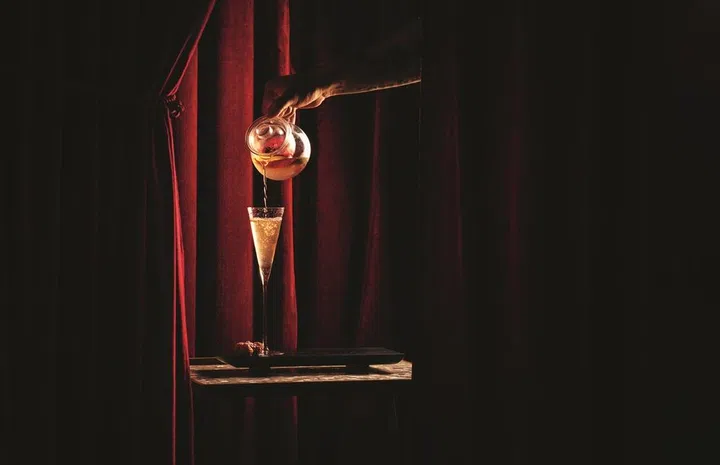
Curious Chameleon ($26) blends bergamot, citrus, Roku gin, black and green tea, hibiscus and raspberry sorbet. With its shifting colours and layered botanicals, it captures the in-between moment of the day, easing guests into the night.
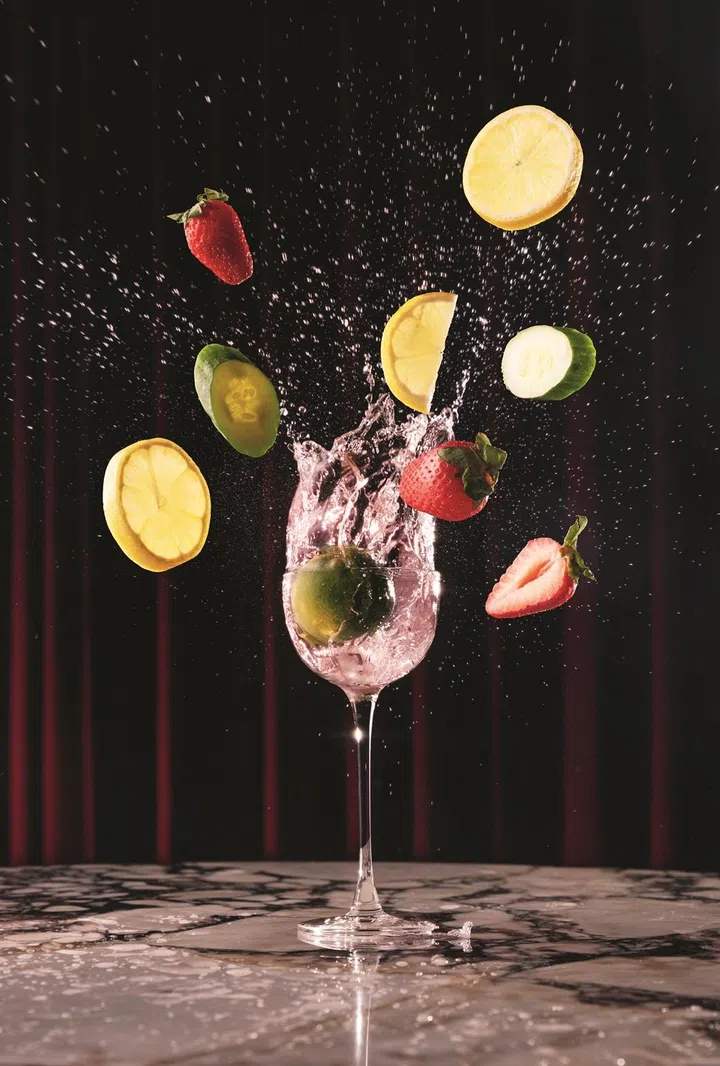
Pink Revival ($26), made with cucumber-infused Bacardi Carta Blanca rum, and lacto-fermented strawberries and citrus fruits, is a refreshing reset.
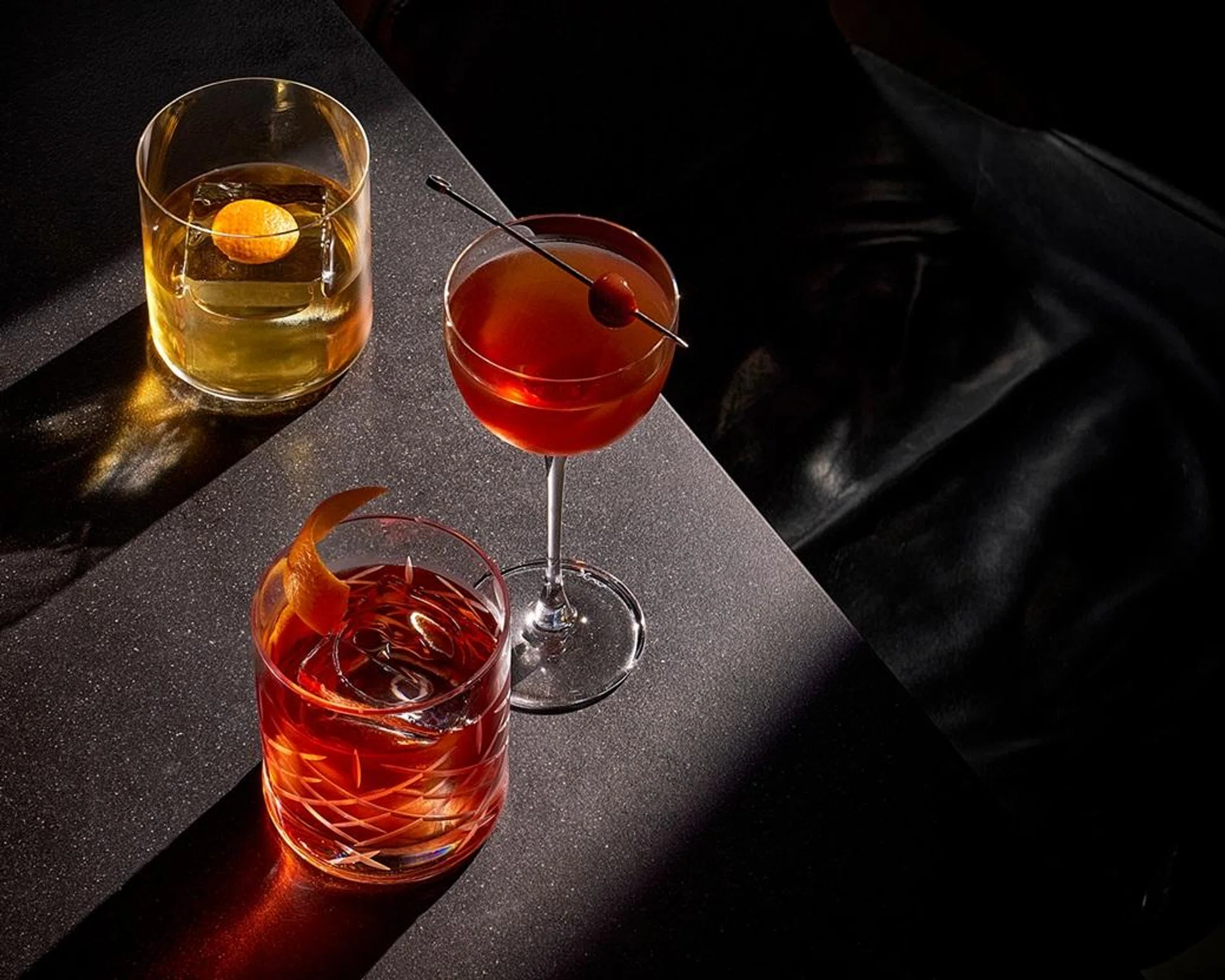
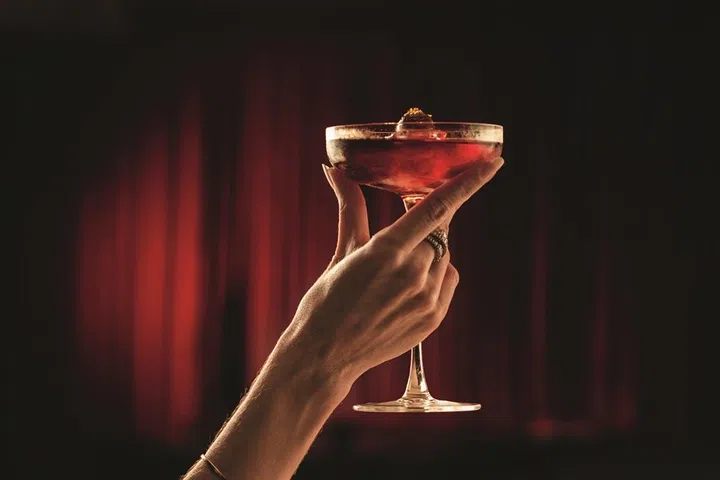
Main Character Energy ($28) is bold and spiritforward, designed to channel confidence, presence and self-assurance. It combines dry vermouth, cherry and berry liqueur, rye whisky and verjus for a structured, assertive finish.
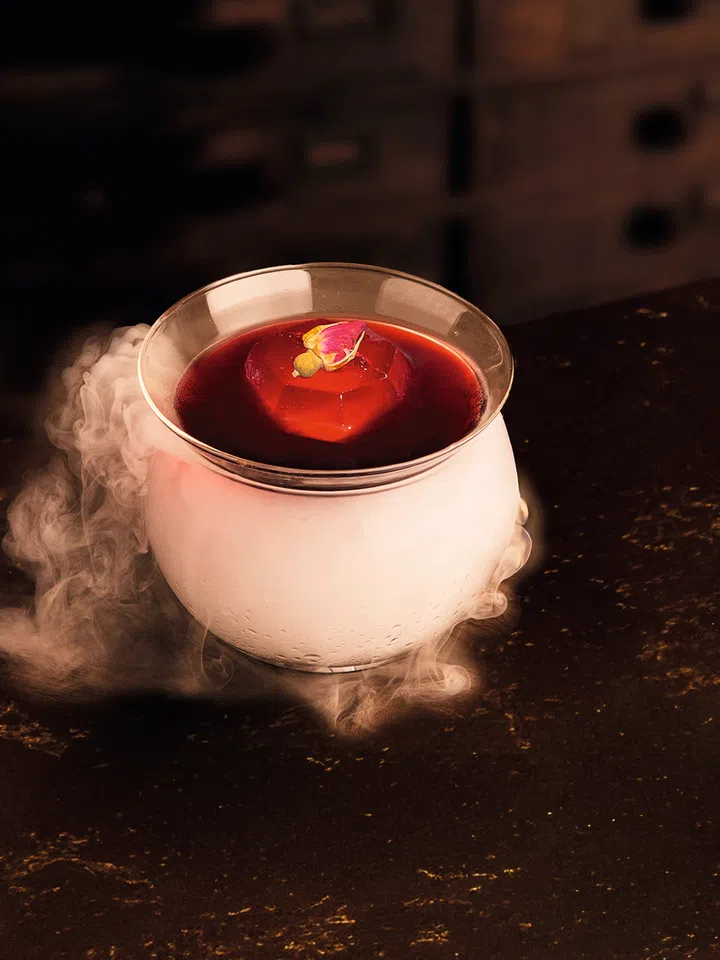
Yin Yang Potion, $24
Feel-good drinks with TCM spin
Ezekiel Tan, head chef
“Singapore is efficient, ambitious and intense – and that takes a toll. Guests are increasingly looking for drinks that don’t just taste good, but feel good too.
For me, it’s not about promising miracles; it’s about using ingredients with naturally calming or balancing properties – like chrysanthemum, goji berry and longan – and weaving them into a moment of pause.
Most guests come for the story rather than the supplement effect, and that’s OK. They like the idea that the drink is soothing, that the herbs serve a purpose. Emotional comfort matters most. If they leave feeling lighter, mentally or emotionally, then the drink has done its job.”
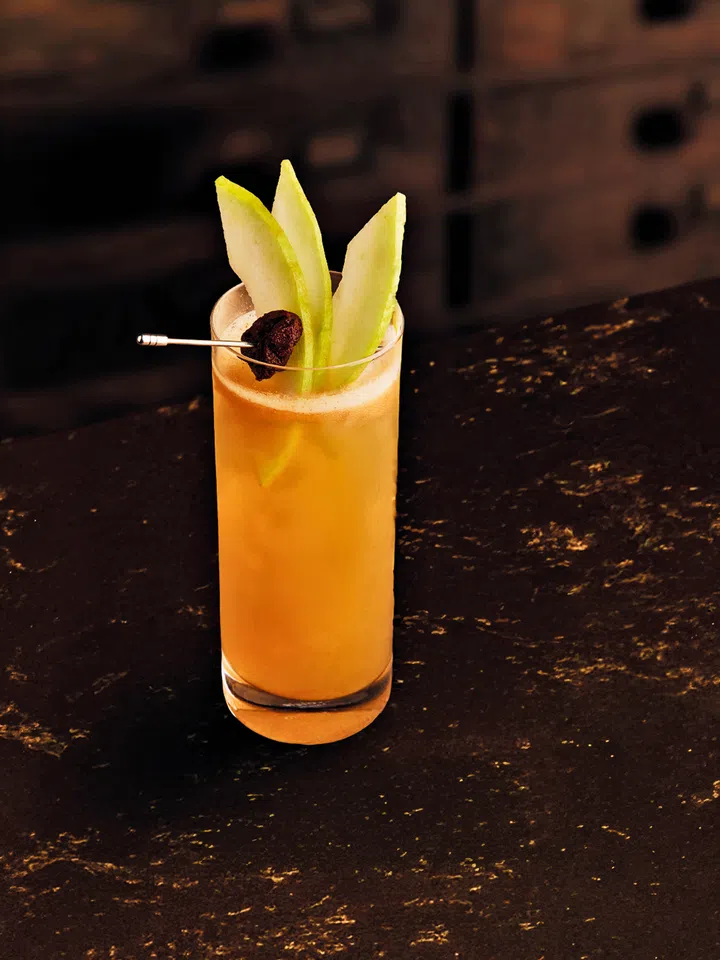
Giam Sng Tee, $22
What’s in a glass?
Yin Yang Potion ($24) is a tropical twist on the classic Negroni, the Yin Yang Potion blends roselle and pandan-infused gin with rich vermouth for a deeper, rounder finish.
Giam Sng Tee ($22) is rooted in the familiar salted sour plum drink, balancing savoury-sour notes of sour plum-infused vodka, melon liquor, guava-blend and citrus into a modern, refreshing pour.
Whiteout ($22) is a quiet favourite that often surprises first-timers. Clean and refreshing with a subtle herbal lift, it blends nashi pear-infused Ford’s Dry Gin with yuzu for a light, cooling finish that’s easy to enjoy.
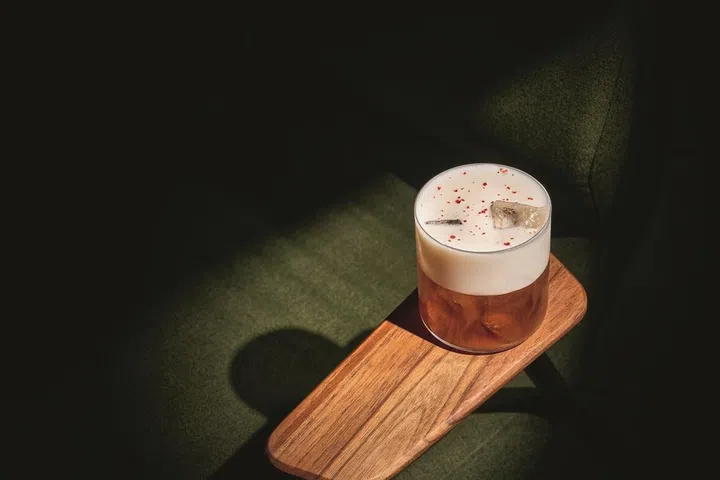
Pink Pepper Club, $28
Creating an escape from everyday life
Joseph Haywood, Director of Food and Beverage
“Locally rooted ingredients resonate so strongly today because they hit multiple emotional, cultural and sensory touch points at the same time. In Singapore, this effect is especially powerful because of the city’s unique mix of heritage, migrant memories and rapid modernisation.
People come to bars for comfort and to be taken care of. Restorative cocktails frame this experience almost like a placebo effect, because the story is often more powerful than the ingredients themselves. The bar isn’t a clinic; it’s an emotional theatre, and the modern drinker is focused on how things make them feel.
Sure, some ingredients are beneficial, but even if the functional benefit is subtle or symbolic, the effect feels real because the guest is already emotionally primed. The escapism that bars offer from the drag of everyday life often provides more benefit than any amount of ginseng or turmeric.”
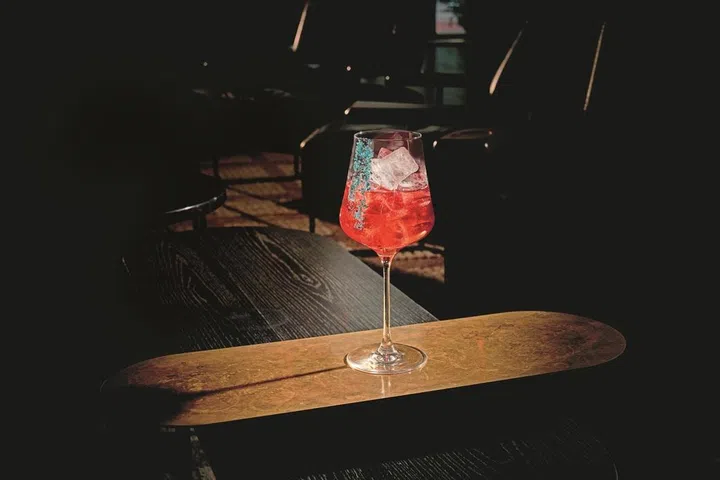
Tongkang Drift, $18 (non-alcoholic)
36 Oaths, $26
What’s in a glass?
Tongkang Drift ($18) is a bright, alcohol-free drink built on fresh, restorative ingredients. Inspired by the tongkang boats of the Singapore River, it layers herbaceous Thai basil, crisp jambu and a touch of orange blossom for a clean, uplifting finish.
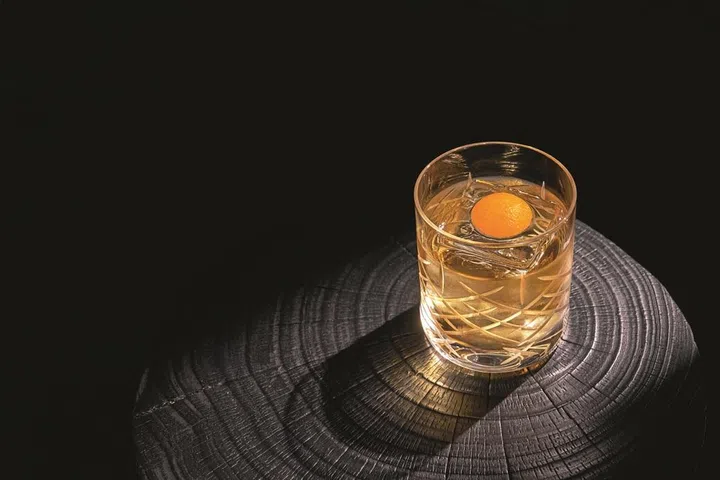
36 Oaths ($26) centres on a house-made bitter crafted from 36 ingredients such as ginger, chrysanthemum and angelica root, many sourced from traditional TCM shops. Loosely inspired by amaros, it nods to their roots as digestif-style drinks.
Pink Pepper Club ($28) pairs coconut foam with black garlic to create a distinctive savoury-sweet profile. While coconut is hydrating and black garlic has antioxidant properties, the focus here is flavour rather than function.
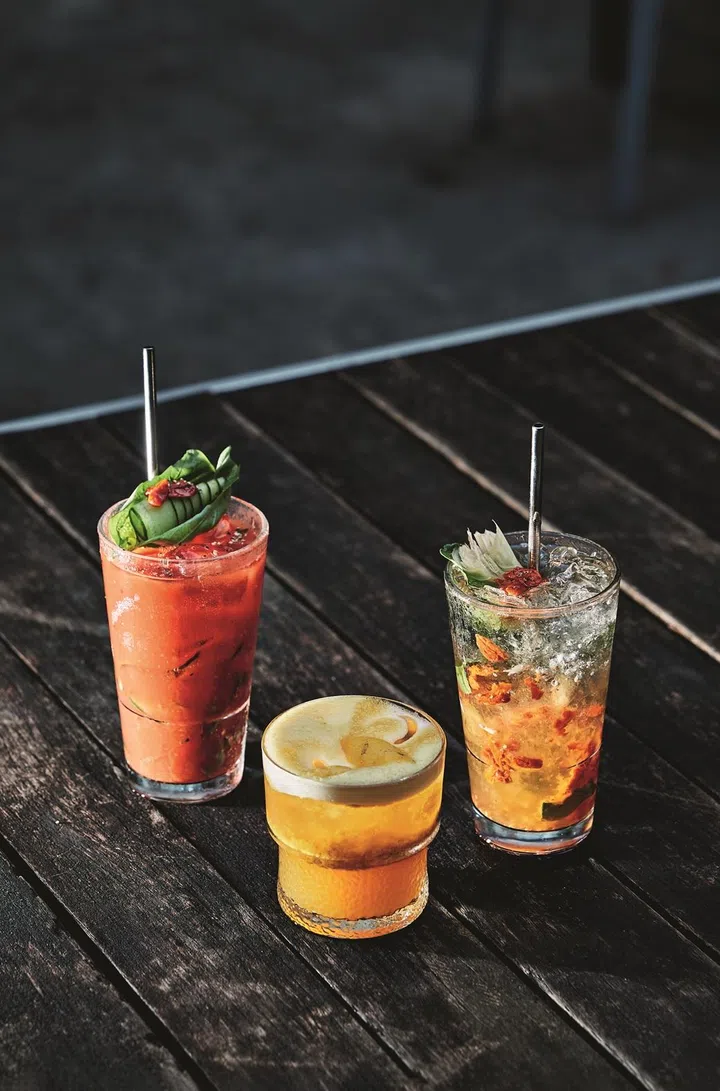
From left: Bloody Belacan ($20), Jamu Sour ($20), and Kult Kooler ($20)
Serving homemade brews with good vibes
Zac Mirza, owner
“What I’m seeing – both with our guests and across the scene – is a gradual shift away from the ‘just get smashed’ mentality. People still want a drink, but they care more about what’s in th glass and how they’ll feel the next day.
You see it in the rise of low-ABV options, house brews and infusions, and ingredients that traditionally sit in the ‘tonic’ or ‘remedy’ space – turmeric, ginger, lemongrass, tamarind, herbal teas and ferments.
For us, ‘functional’ is about being intentional with ingredients and building drinks that feel genuinely comforting and balanced, without making health claims. Once alcohol enters the picture, I see these less as medicine and more as a comforting way to wind down.
Ultimately, the real stress-soothing effect comes from the combination of a thoughtful drink and a calming environment. Good cocktails matter, but it’s the vibe – the space, the music, the people – that actually lets your shoulders drop.”
What’s in a glass?
Jamu Sour ($20) is built on house-brewed jamu with citrus and a light, silky texture from egg white. It feels familiar as a classic cocktail style, but the flavour is very much rooted in this region.
Kult Kooler ($20) blends fresh ginger, lemongrass, goji berries, kaffir lime leaves, lemon and lime with a chosen spirit. It drinks like a grown-up ginger tonic – bright, herbal and quietly energising, rather than heavy.
Bloody Belacan ($20) is made with warm tomato juice, fermented shrimp paste and fresh chilli. Fermented ingredients are often linked to digestion, chilli is commonly associated with a warming sensation, and tomatoes are well known for their antioxidant properties.
Combined with the natural saltiness of belacan and the savoury tomato base, the drink can feel surprisingly restorative.