
Preparing for HYROX or a race? Here’s why performance testing can improve your training
Training by feel only gets you so far. Data-backed, personalised recommendations can take your races to the next level, and you don’t have to be an elite athlete to benefit
By Charis Gan -
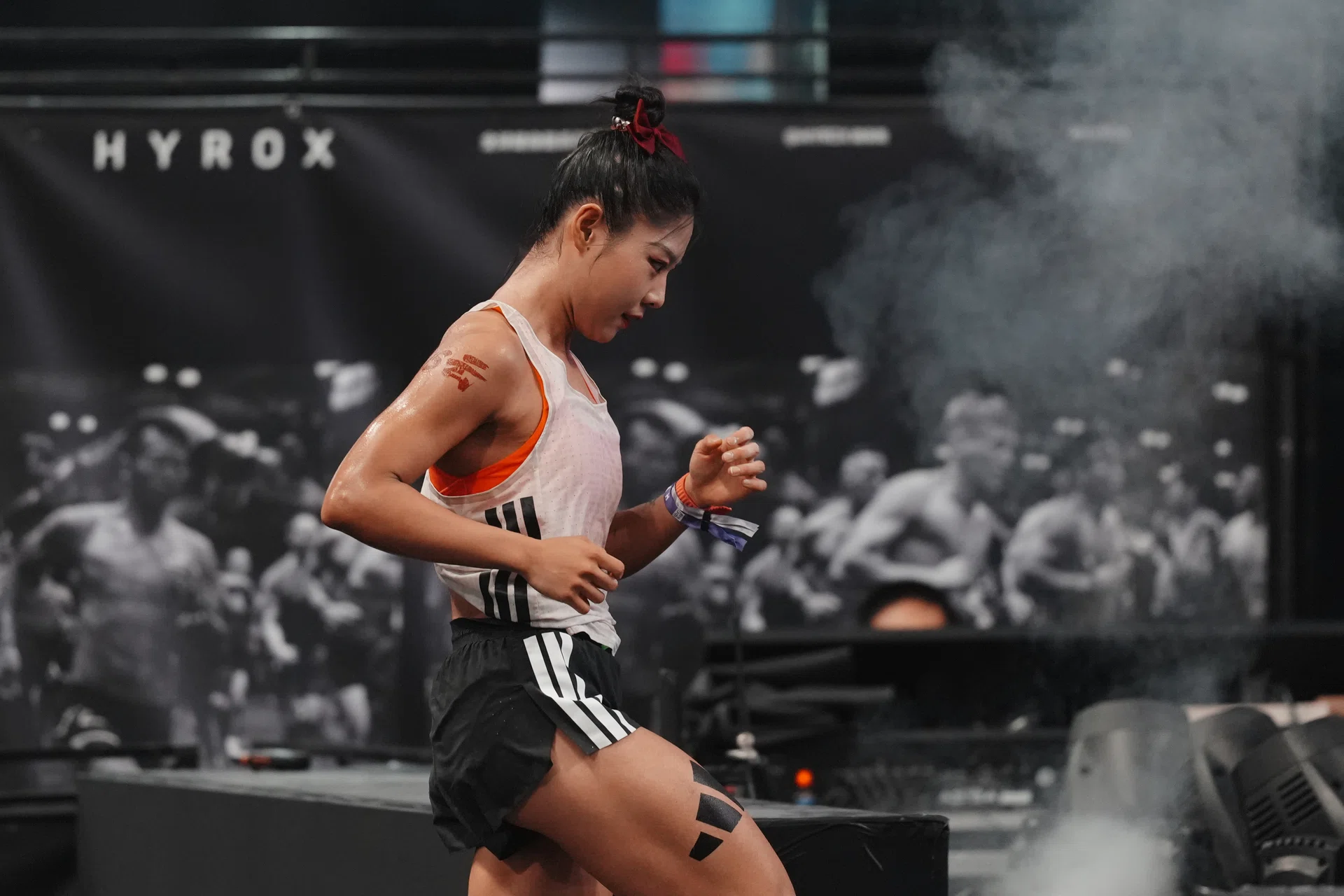
Most of us train on instinct. We run when it feels right, push when we feel strong, and back off when we’re tired. We follow plans we found online, copy our favourite fitness influencer or the person ahead of us in the group run.
But the truth is, everyone’s threshold is different – what’s best for others might not be what’s best for you. Without data to measure against, it might be all educated guesswork.
“I was mostly running by feel. I wasn’t paying much attention to pace or training zones, I was mainly focused on getting the mileage in,” says Cassandra Hie, a 54-year-old ultramarathoner. She trained in the 5:00-5:15 min/km group and kept a 6:00-6:30 min/km pace on longer runs. As a cancer survivor, she was also cautious about pushing too hard.
“I wasn’t sure what my body could realistically handle,” she says.
A lactate threshold test showed she could train at 4:20-4:30 min/km. That gave her the confidence to move up to the 4:40-4:55 min/km group and join shorter, faster interval sessions at around 4:10-4:30 min/km.
“I never thought I’d be able to sustain that kind of pace,” she says. “I realised that my body is capable of much more than I thought.” The results also reassured her that her years of training have paid off in her cardiovascular fitness.
Marathoner Dean Lee also thought he knew how much water his body needed, having completed several races. But to his surprise, his hydration test revealed he was losing close to a litre of sweat per hour – more than he expected.
“My usual approach was to drink when I felt thirsty, especially during longer runs, but looking back, I was probably already playing catch up,” he admits. “Even with racing experience, there are things about your body that you simply can’t accurately gauge based on how you feel.”
He now drinks more consistently, aiming for about 500 ml of fluid and 290 mg of sodium per hour in training. Taking that plan to the Gold Coast Marathon let him focus on running rather than worrying whether he was drinking enough. “It’s not about guaranteeing a faster race, but about being better prepared and making more informed decisions,” he says.
How does performance testing work?
Performance testing isn’t just for seasoned athletes. Lewis Nurney, head of podiatry and sweat testing lead at UFIT, says recreational athletes of all levels can benefit, especially those training for long endurance events such as marathons, triathlons, cycling races or HYROX, exercising in hot conditions, or needing a more structured plan.
Besides sweat and lactate threshold tests, there are other options too. VO₂ max testing shows how efficiently your body uses oxygen during hard exercise, a measure of cardiovascular fitness. Metabolic testing shows how your body switches between burning fat and carbohydrates, which helps with planning race-day fuelling.
But Khai Jamilson, Performance Testing Lead at UFIT, says lactate threshold testing is especially useful for those training for races or HYROX. It shows the point at which your body starts to tire as effort increases. Athletes wear a heart rate monitor and exercise on a treadmill, bike, rowing machine or SkiErg at rising intensities, with a quick blood sample taken between stages. The results become personalised training zones for speed, power and heart rate.
One of the most common mistakes, Jamilson explains, is pushing too hard on easy runs and hurting recovery, when easy runs should build endurance without piling on fatigue. “Training harder doesn’t always mean training better,” he says.
That’s why lactate threshold testing is most helpful for:
- Beginners (six to 12 months of consistent training): It helps avoid training too hard too often.
- Athletes who have plateaued: It reveals whether their training intensity is right and where they can build endurance.
- Those returning from a break: Old training zones may no longer match current fitness. Anyone returning from injury should first be cleared for progressive exercise.
“The biggest value comes when someone is prepared to use the results in training, test what works for them and refine their approach before race day,” Lewis says.
Putting test results into practice
But these reports should be treated as a starting point, not a rigid set of rules, Lewis explains. Athletes should also consider their recovery, the weather and experiment with how their body responds in training.
Sweat test results, for instance, give an estimate of how much fluid and sodium you lose, which you can turn into a plan to test in training. But hydration is only one part of performance. “For someone preparing seriously for an endurance event, combining the sweat data with sports nutrition guidance can help turn the numbers into a much more complete and practical race-day strategy,” he says.
Lactate threshold results can also guide race pacing. For longer events, knowing where your thresholds lie can help you avoid starting too aggressively and tiring out early.
Testing provides the roadmap, but the consistent, well-structured training that follows is what drives improvement.