
The 2.4km test is over. Why running is suddenly Singapore’s favourite social scene
In Singapore, run clubs are multiplying, first-time marathoners are everywhere, and the weekly run has become a social fixture
By Shazrina Shamsudin -
Share this article
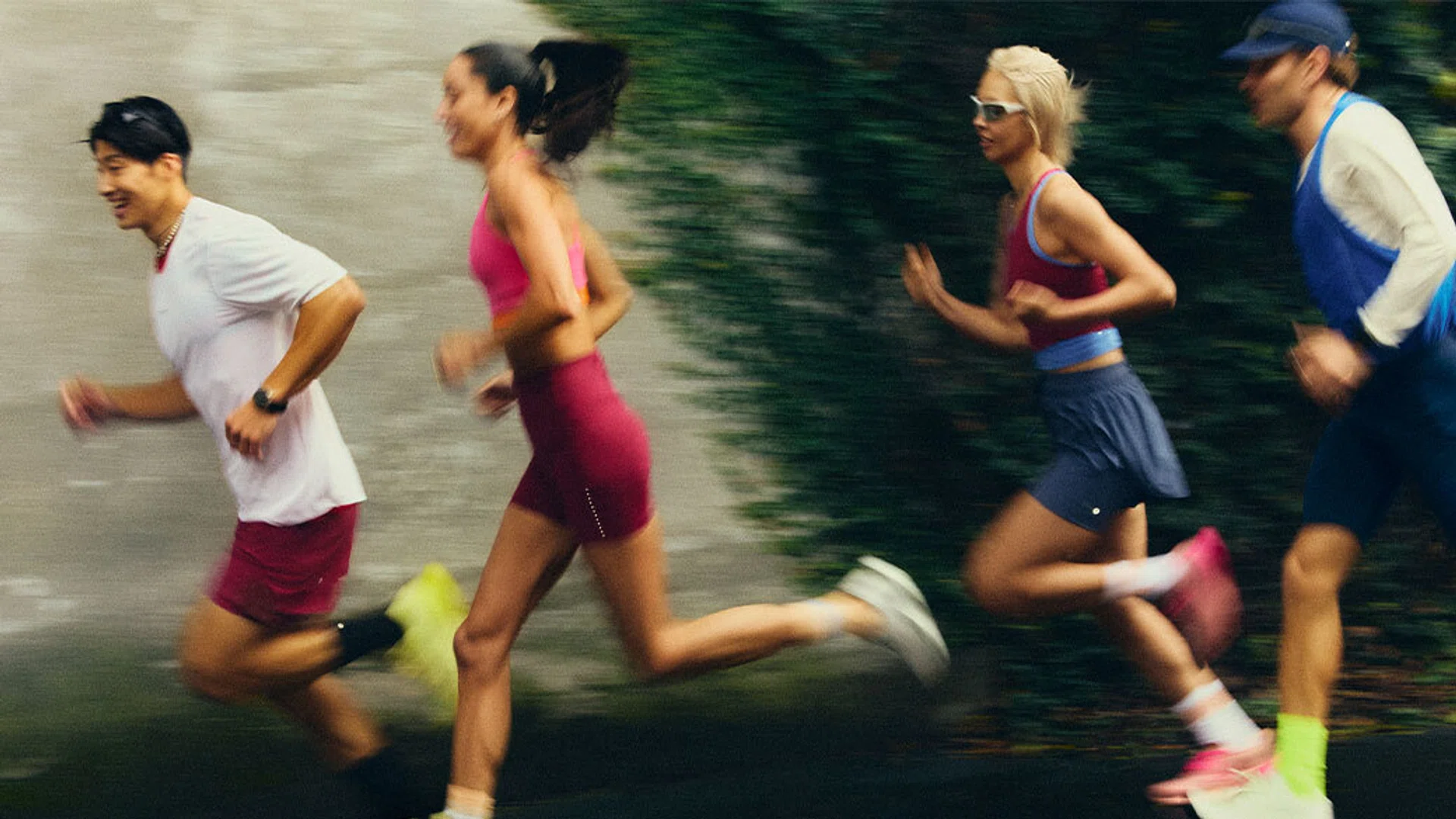
Not long ago, running for most of us meant the 2.4km fitness test and little else. Now, it’s how people make friends, fill their weekends and, for some, plan their holidays. Since the pandemic, the signs have been hard to miss: more run clubs, busier routes, and more people signing up for races. And for a lot of them, the run is no longer just a workout – it’s become part of who they are.
The rise of the run club
Many of today’s runners are recent converts who picked up the sport in the past few years and stuck with it.
Cassandra Goo, 27, started in April 2025 after watching her boyfriend train for Hyrox. At first she was fixated on pace and timing, but that wore off. “After a while, I started enjoying it and treated it as an escape and relief,” she says. “Gradually, when I stopped caring about the timing and just ran, I started to enjoy running with friends too.”
Similarly, Sofie Chandra has seen the same shift. Four years ago she founded Happy Pace Club, a women-only run club and sister club to The High Panters, one of Singapore’s original crews, which has been around for 14 years. She sat on the idea for two years, worried no one would turn up. Three or four people came to the first run. The club now averages 20 to 40 runners a week. “Making it happen is one of the best decisions I’ve made,” she shares.
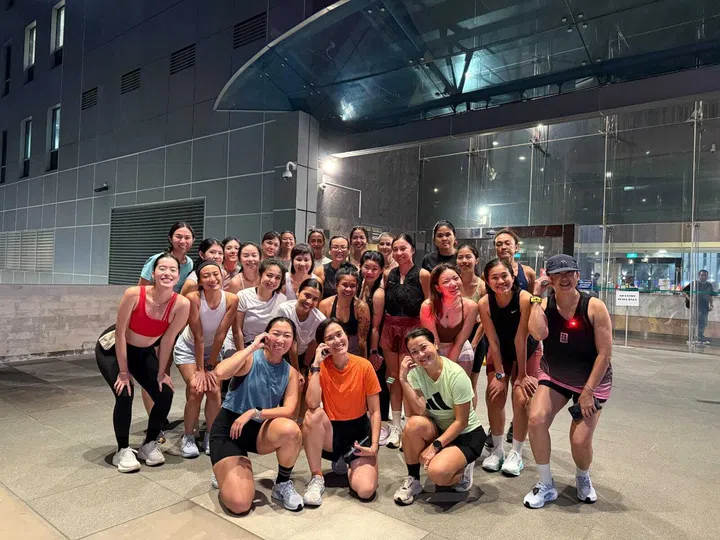
Social media has helped, she says, but she thinks the appeal goes deeper. “Running is the new clubbing. The idea of creating a social or third space is essentially what run clubs are founded on.”
Bret Schoolmeester, VP of Nike Running Footwear, puts it in similar terms. “People want a third place or an activity to go to, and they’re finding all the mental and communal benefits of going out and running,” he explains.
The crowd looks different now too. Sofie remembers when running was mostly a school sport, like track and field, or something you did alone. But today, it’s social, and far more women are taking part, which is why she started Happy Pace Club.
“Creating a safe space for women to come together and run once a week has been truly inspiring and heart-warming for me to see,” she says. She has watched friendships form and, in her words, “lives being changed”.
What keeps people coming back? “The people,” she says. “That’s really the heart of who we are.”
Ideas about what makes a good run have changed as well. Marathoner Verna Goh, who fits her training around a corporate job, has learnt that pace isn’t everything. “As competitive athletes, we tend to want to chase pace too, and there’s always a time and place for that,” she says. “But there’s also a time and place for the chill, easy runs with friends where you don’t even look at the watch.”
Newer runners can find that harder to accept, especially when everyone’s splits are a scroll away. Cassandra admits that seeing other people’s paces and race times on Strava, Instagram and Tiktok used to make her feel she wasn’t trying hard enough.
Watching more running content eventually helped her see that everyone starts somewhere. “Nobody really cares what pace you are at or how many kilometres into your run you are,” she says. “It’s all in the head.”
The club scene isn’t for everyone, though. Cassandra prefers to run alone, at her own pace, without trying to keep up with a group. She once joined a run club of more than 100 people and found that it felt no different from running solo. “I think I prefer keeping to myself,” she says. “Running is like my safe space.”
For some, the club is the draw; for others, it’s the running itself. As Cassandra puts it: “Everyone is and can be a runner as long as you start moving. Don’t let the pace tell you otherwise.”
Trend, or new normal?
Is running-as-identity just a trend? Bret doesn’t think so. “I believe it’s the new normal,” he says. “Once you find running and you find the joy in running and that lifestyle, it’s really hard to shake.”
Part of the appeal is that running offers something screens can’t. He adds: “It’s a way to break out of the digital world that can sometimes suck you in and isolate you, a way to go and enjoy, and breathe, and feel air in your lungs.”
Verna agrees. She took up running during a stressful stretch at university, and now guards that time closely. “It’s, first and foremost, time for myself that I carve out during the day,” she says. “It’s something I feel like I can’t live without.” It shapes how she travels too, as she has flown overseas for marathons, and is now considering the upcoming 2027 Boston Marathon.
As for Singapore’s running scene, Sofie expects it to keep growing. Her wish for the next five years is simple: “I hope more women start running.”
And if you’re still on the fence, Cassandra’s advice is straightforward. “Don’t be afraid,” she says. “Nobody has to know when you stop, as long as you know you started.
The Gear Edit
As running has grown, so has our appetite for the gear that goes with it – and more of us are happy to invest in what we wear on our runs. Whether you’re chasing a PB or catching up with friends over an easy 5km, here are some new releases that are worth a look.
New Balance Supercomp Rebel, $299, New Balance
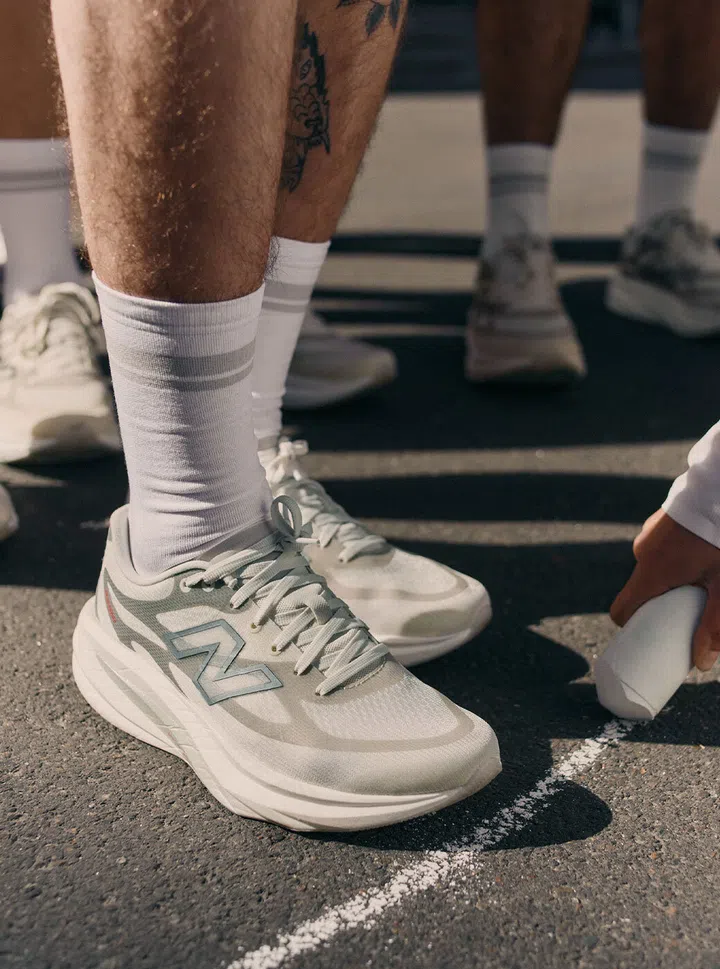
This shoe brings raceday bounce to everyday training. New Balance pairs its Infinion foam with a propulsion plate for a springy, forwardrolling feel, and the rocker profile keeps transitions quick. The outsole is durable and grippy without adding weight. If you’re chasing a new record, this is a solid pick.
Nike Alphafly 4, $399, Nike
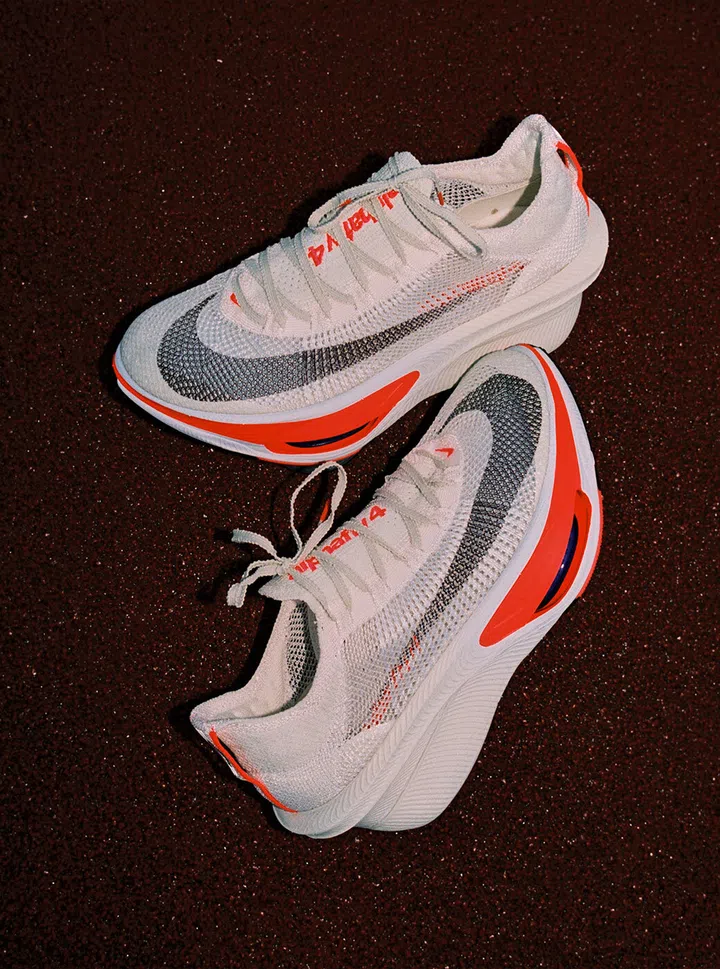
The lightest, most responsive Alphafly yet, aimed at bringing marathon speed to more runners, from elites to everyday PB chasers. Nike has reworked every major component: a new Atomknit upper, ZoomX LT foam, updated Air Zoom units, a carbon fibre Flyplate and a Fast Shot outsole. According to the brand, the result is 10 per cent more energy return than the previous version, in a shoe that’s 5 per cent lighter.
Hoka Cliton Pro, $249, Hoka
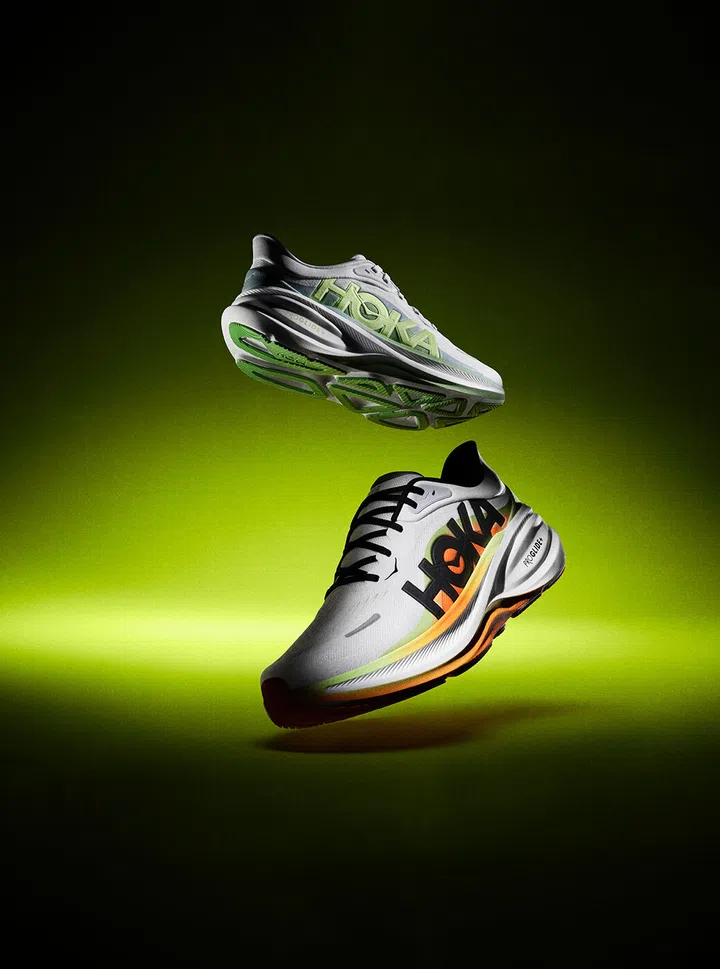
A performance version of the brand’s popular Clifton, this has a Proglide+ series midsole made with SCF foam, a more aggressive Metarocker, and a podular outsole for a smooth ride. The engineered mesh upper breathes well, the comfort collar is easy on the ankle, and reflective details help on pre-dawn or afterwork runs.
Lululemon Fall 2026 Running, from $92, Lululemon

The activewear giant’s Fall 2026 running line uses light, breathable fabrics in bold colours meant to be mixed rather than matched. Standouts in the extensive collection, include the Swift Speed 2-in-1 Short 2.5” ($168) – perfect for those who need a little coverage – and the Wunder Train Strappy Bra ($92, pictured here), which layers well while giving enough support for smaller busts.