%22%3E%3Cpath%20fill%3D%22%23000%22%20d%3D%22M79.702%2078.555c0%2033.03%2018.767%2046.361%2035.801%2046.361%2014.149%200%2029.738-7.033%2034.505-28.595l-1.445-.306c-3.61%2015.903-14.005%2027.371-33.06%2027.371-13.86%200-13.716-22.173-13.716-41.594V67.415h49.662c0-23.393-13.136-40.674-35.946-40.674-17.034%200-35.801%2018.94-35.801%2051.814m35.801-50.283c14.437%200%2014.005%2026.455%2013.861%2037.617h-27.573c-.004-18.353.865-37.617%2013.712-37.617%22%2F%3E%3C%2Fg%3E%3Cmask%20id%3D%22b%22%20width%3D%22603%22%20height%3D%22126%22%20x%3D%220%22%20y%3D%220%22%20maskUnits%3D%22userSpaceOnUse%22%20style%3D%22mask-type%3Aluminance%22%3E%3Cpath%20fill%3D%22%23fff%22%20d%3D%22M602.5%200H.5v125.074h602z%22%2F%3E%3C%2Fmask%3E%3Cg%20mask%3D%22url(%23b)%22%3E%3Cpath%20fill%3D%22%23000%22%20d%3D%22M86.81%20105.474h-1.445c0%2010.547-4.475%2011.463-5.483%2011.463-2.454%200-4.475-3.514-4.475-11.921V48.264c0-14.83-10.826-21.558-22.229-21.558-10.97%200-22.66%206.118-25.983%2017.276V8.478c-.515-4.763-4.26-8.48-8.893-8.48H.522v1.53H.5c2.886%200%204.763%201.988%204.763%205.045v110.211c0%203.057-1.877%205.045-4.763%205.045h.022v1.531h31.423v-1.531h.021c-2.885%200-4.762-1.988-4.762-5.045V50.252c0-10.395%208.949-18.806%2016.31-18.806%205.338%200%209.813%204.13%209.813%2014.83v58.74c0%2013.909%207.796%2019.874%2016.165%2019.874%209.958.005%2017.318-6.418%2017.318-19.416%22%2F%3E%3C%2Fg%3E%3Cmask%20id%3D%22c%22%20width%3D%22603%22%20height%3D%22126%22%20x%3D%220%22%20y%3D%220%22%20maskUnits%3D%22userSpaceOnUse%22%20style%3D%22mask-type%3Aluminance%22%3E%3Cpath%20fill%3D%22%23fff%22%20d%3D%22M602.5%200H.5v125.074h602z%22%2F%3E%3C%2Fmask%3E%3Cg%20mask%3D%22url(%23c)%22%3E%3Cpath%20fill%3D%22%23000%22%20d%3D%22M225.911%2042.197c0-10.552-11.259-16.818-22.954-16.818-10.682%200-21.513%205.045-25.119%2016.975v-7.352c-.48-4.574-3.977-8.148-8.364-8.398h-18.322v1.53h-.022c2.886%200%204.763%201.99%204.763%205.046v81.371h.004c.293%204.814%203.942%208.633%208.509%208.846v.004h18.173v-1.53h.022c-2.886%200-4.763-1.989-4.763-5.045V48.62c0-10.552%209.094-19.269%2016.602-19.269%204.763%200%208.805%203.672%209.386%2012.693%200%206.881%204.619%2011.773%2011.119%2011.773%206.631%200%2010.966-4.587%2010.966-11.62%22%2F%3E%3C%2Fg%3E%3Cmask%20id%3D%22d%22%20width%3D%22603%22%20height%3D%22126%22%20x%3D%220%22%20y%3D%220%22%20maskUnits%3D%22userSpaceOnUse%22%20style%3D%22mask-type%3Aluminance%22%3E%3Cpath%20fill%3D%22%23fff%22%20d%3D%22M602.5%200H.5v125.074h602z%22%2F%3E%3C%2Fmask%3E%3Cg%20mask%3D%22url(%23d)%22%3E%3Cpath%20fill%3D%22%23000%22%20d%3D%22M234.434%2028.315c2.925%200%205.583%202.312%206.779%205.863l29.782%2089.218h1.597l20.61-61.852%2020.609%2061.852h1.598l29.781-89.218c1.196-3.556%203.855-5.863%206.78-5.863h.183v-1.776h-11.538v1.776h.184c2.925%200%203.99%202.312%202.794%205.863l-18.082%2054.209-18.082-54.209c-1.196-3.556-.131-5.863%202.794-5.863h.183v-1.776h-33.343v1.776h.183c2.925%200%205.583%202.312%206.78%205.863l8.373%2025.058-9.705%2029.15-18.082-54.208c-1.196-3.556-.131-5.863%202.794-5.863h.184v-1.776h-33.344v1.776z%22%2F%3E%3C%2Fg%3E%3Cmask%20id%3D%22e%22%20width%3D%22603%22%20height%3D%22126%22%20x%3D%220%22%20y%3D%220%22%20maskUnits%3D%22userSpaceOnUse%22%20style%3D%22mask-type%3Aluminance%22%3E%3Cpath%20fill%3D%22%23fff%22%20d%3D%22M602.5%200H.5v125.074h602z%22%2F%3E%3C%2Fmask%3E%3Cg%20mask%3D%22url(%23e)%22%3E%3Cpath%20fill%3D%22%23000%22%20d%3D%22M377.826%20124.491c17.034%200%2038.211-15.699%2038.211-48.882%200-33.03-21.177-48.73-38.211-48.73-17.035%200-38.067%2015.857-38.067%2048.73.004%2033.026%2021.032%2048.882%2038.067%2048.882m0-96.085c13.86%200%2016.121%2028.24%2016.121%2047.356%200%2019.116-2.261%2047.198-16.121%2047.198-13.861%200-15.978-27.777-15.978-47.198%200-19.422%202.122-47.356%2015.978-47.356%22%2F%3E%3C%2Fg%3E%3Cmask%20id%3D%22f%22%20width%3D%22603%22%20height%3D%22126%22%20x%3D%220%22%20y%3D%220%22%20maskUnits%3D%22userSpaceOnUse%22%20style%3D%22mask-type%3Aluminance%22%3E%3Cpath%20fill%3D%22%23fff%22%20d%3D%22M602.5%200H.5v125.074h602z%22%2F%3E%3C%2Fmask%3E%3Cg%20mask%3D%22url(%23f)%22%3E%3Cpath%20fill%3D%22%23000%22%20d%3D%22M490.482%2042.197c0-10.552-11.258-16.818-22.953-16.818-10.683%200-21.513%205.045-25.119%2016.975v-7.352c-.48-4.574-3.977-8.148-8.365-8.398h-18.326v1.53h-.022c2.886%200%204.763%201.99%204.763%205.046v81.371h.004c.293%204.814%203.943%208.633%208.509%208.846v.004h18.173v-1.53h.022c-2.885%200-4.763-1.989-4.763-5.045V48.62c0-10.552%209.094-19.269%2016.602-19.269%204.763%200%208.806%203.672%209.386%2012.693%200%206.881%204.619%2011.773%2011.119%2011.773%206.64%200%2010.97-4.587%2010.97-11.62%22%2F%3E%3C%2Fg%3E%3Cmask%20id%3D%22g%22%20width%3D%22603%22%20height%3D%22126%22%20x%3D%220%22%20y%3D%220%22%20maskUnits%3D%22userSpaceOnUse%22%20style%3D%22mask-type%3Aluminance%22%3E%3Cpath%20fill%3D%22%23fff%22%20d%3D%22M602.5%200H.5v125.074h602z%22%2F%3E%3C%2Fmask%3E%3Cg%20mask%3D%22url(%23g)%22%3E%3Cpath%20fill%3D%22%23000%22%20d%3D%22M602.5%20103.974h-1.445c0%2010.553-4.474%2011.468-5.483%2011.468-2.453%200-4.474-3.519-4.474-11.925V6.585c0-3.056%201.877-5.045%204.762-5.045h-.166V.01h-17.715c-4.942%200-8.953%204.24-8.962%209.475h-.009v23.333c-6.063-3.977-9.84-5.503-16.48-5.503-17.034%200-35.801%2014.169-35.801%2047.046%200%2033.183%2013.101%2050.718%2035.801%2050.718%208.085%200%2013.302-2.294%2019.942-8.254%203.03%204.587%207.797%206.575%2012.704%206.575%209.966-.004%2017.326-6.427%2017.326-19.426m-30.75%2011.625c-4.763%204.435-10.84%205.822-13.38%205.822-11.482%200-19.558-16.933-19.558-46.907%200-29.97%2010.914-43.222%2019.885-43.222%203.3%200%206.264.153%2010.307%203.057v69.172c.004%205.04%201.017%209.017%202.746%2012.078%22%2F%3E%3C%2Fg%3E%3Cmask%20id%3D%22h%22%20width%3D%22603%22%20height%3D%22126%22%20x%3D%220%22%20y%3D%220%22%20maskUnits%3D%22userSpaceOnUse%22%20style%3D%22mask-type%3Aluminance%22%3E%3Cpath%20fill%3D%22%23fff%22%20d%3D%22M602.5%200H.5v125.074h602z%22%2F%3E%3C%2Fmask%3E%3Cg%20mask%3D%22url(%23h)%22%3E%3Cpath%20fill%3D%22%23000%22%20d%3D%22M516.984%20121.865c-2.885%200-4.763-1.988-4.763-5.045V9.466C512.2%204.241%20508.196.01%20503.259.01h-17.724v1.53h-.022c2.89%200%204.763%201.989%204.763%205.045v108.418c.515%204.564%204.029%208.129%208.434%208.337v.06h18.252v-1.53h.022z%22%2F%3E%3C%2Fg%3E%3C%2Fsvg%3E)
Is my vagina healthy? What to know about vaginal smell, taste and hygiene
A girl’s guide to keeping your vagina happy, healthy and infection-free
By Mandy Tan -
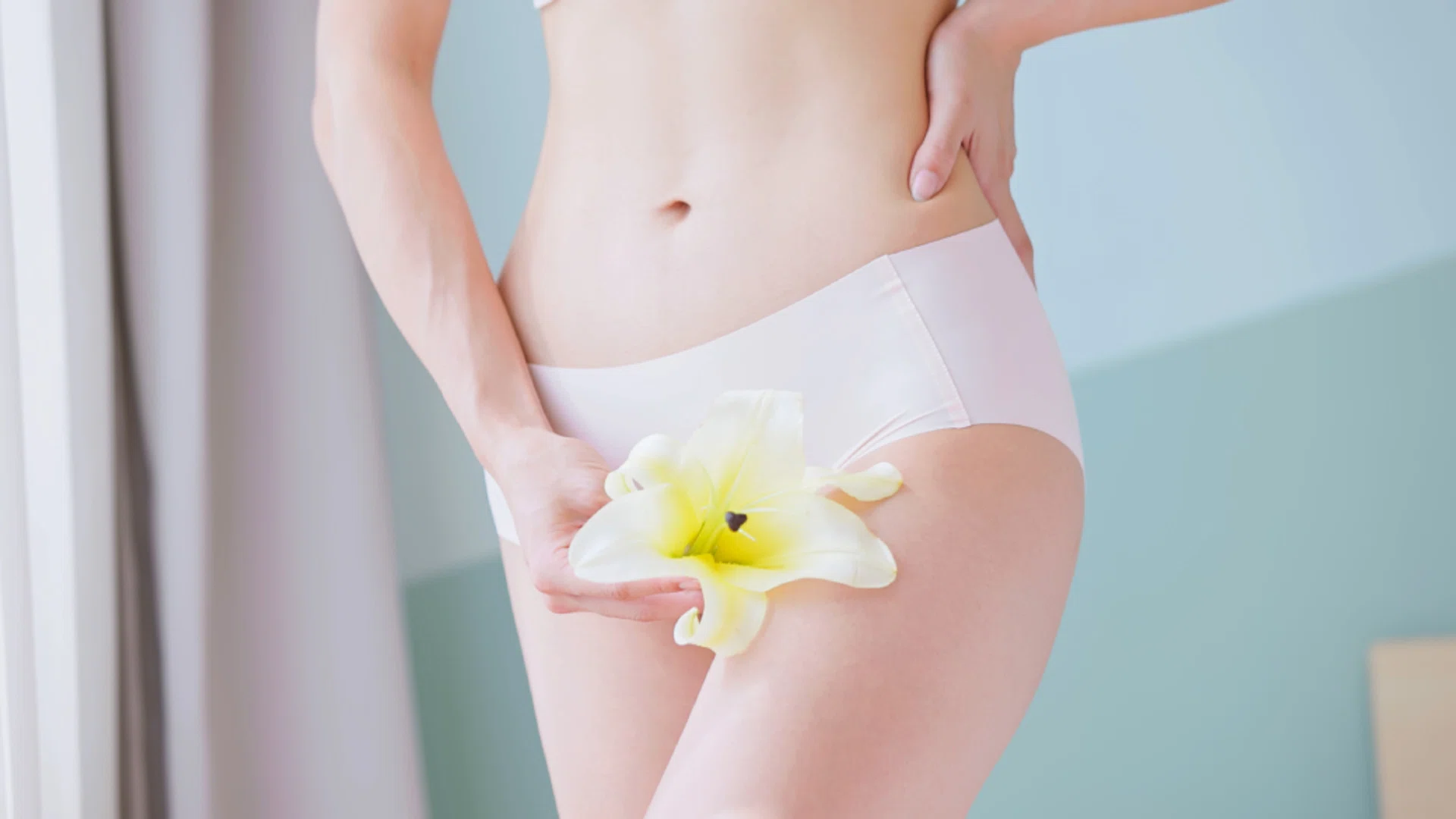
It’s completely natural to wonder whether your vagina is clean, healthy, functioning as it should, or even smelling “right.” Yet, for something that’s such an important part of our bodies, there’s still an odd sense of shame about asking questions or seeking ways to care for it.
Especially if you’ve ever dealt with common issues like vaginal infections or UTIs, it’s only natural to want to take extra care of your vagina afterwards. Every vagina is different, and taking care of yours is simply part of taking care of yourself. There’s nothing embarrassing about wanting to know more about your body, whether you’ve ever wondered about how you smell, taste, or feel.
No need to feel awkward; we’ve got you covered. We spoke to Dr Sheri Lim, an obstetrician and gynaecologist at Gleneagles Hospital, to debunk common myths and share practical advice for caring for your vagina.
She explains: “The number one myth? That your vagina needs ‘cleaning’ or ‘detoxing’ at all. It doesn’t. It maintains its own acidic, Lactobacillus-dominated balance, and interventions like douching, scented washes, and unnecessary probiotics are more likely to disrupt that balance than improve it.”
There are many ways to care for your vagina. To help you get started, here are seven simple tips to maintain its natural balance.
Skip the scented washes
The vagina is a self-cleaning organ, so there’s no need to wash inside it. In fact, doing so can cause irritation and disrupt its natural balance, potentially increasing the risk of infection and being a well-known trigger for bacterial vaginosis (BV). Dr. Sheri Lim recommends sticking to warm water, or a gentle, unscented, pH-neutral cleanser, on the vulva (the outer area) only.
The same goes for special vaginal washes, scented soaps and perfumes. Despite being marketed as products for vaginal care, these can disrupt your natural pH balance and irritate the skin.
If you’re worried about vaginal odour, remember that a healthy vagina isn’t meant to smell like perfume, but rather it has its own natural scent. According to Dr. Sheri, a healthy vaginal scent is mild and non-offensive, and it shifts a little with your cycle, hormones, and sex life, which is completely normal.
What’s not normal is a new fishy, foul, or markedly stronger odour, especially paired with a change in discharge. That’s your body’s way of flagging infections that you should get checked rather than masking it with products.
Clean up after sex
It’s common for bacteria to enter the urethra during sex, which can increase the risk of a UTI. While peeing after sex isn’t guaranteed to prevent an infection, it’s a simple habit that may help flush out bacteria from the urethra. It’s also a good idea to gently wash the vulva with warm water and pat the area dry afterwards to avoid prolonged moisture and irritation.
When it comes to protection, avoid products with added fragrances or other ingredients that may cause irritation. If you’re prone to sensitivity, opting for fragrance-free, simple formulations can be a better choice.
Don’t shave too often
As said by Dr. Sheri, shaving is actually a cosmetic choice, not a health-improving one. Shaving or waxing might actually cause micro-trauma, irritation, or folliculitis (inflamed hair follicles).
There’s no medical requirement to remove pubic hair, and no clear evidence it improves hygiene or reduces odour. In reality, pubic hair offers a bit of natural barrier protection against friction and moisture buildup.
Only take probiotics if you’re vulnerable
According to Dr Sheri, if you’ve never had a vaginal infection, you likely don’t need probiotics. Routine use in women without a history of infection has not been shown to offer a clear preventive benefit. The ACOG (American College of Obstetricians and Gynecologists) does not currently recommend probiotics — whether oral or vaginal — for treating bacterial vaginosis (BV), supporting antibiotic treatment, or maintaining vaginal flora.
That said, some newer reviews suggest probiotics may help reduce the risk of recurrent BV when used alongside or after antibiotic treatment. They may also play a role in preventing recurrent UTIs as part of a broader, non-antibiotic approach, although they don’t appear to prevent recurrent yeast infections.
For healthy, low-risk women, probiotics are generally considered safe, but their benefits for women without symptoms or a history of infection remain uncertain.
Do not use panty liners unless necessary
Your vagina naturally produces discharge, and a little bit is completely normal. So unless you have heavier-than-usual discharge, wearing panty liners daily is unnecessary, as they may trap moisture against the vulva area and cause irritation when worn regularly.
If you like wearing them, opt for unscented, breathable options, change them every three to four hours, and avoid wearing them continuously if you don’t need them for discharge or spotting.
Wear loose clothing and change out when necessary
Opt for loose-fitting underwear, preferably made from breathable materials like cotton, and avoid clothing that feels tight or restrictive around your intimate area. This can help keep the vulval skin comfortable and reduce irritation.
If you’ve been working out or sweating heavily, change out of damp underwear and clothing as soon as you can. Staying in sweaty clothes for too long can leave the area feeling uncomfortable, so keeping it clean and dry is a simple way to stay comfortable.
If you do notice pimples or bumps around the vulva, rest assured that they’re common and are often caused by folliculitis — irritated or infected hair follicles triggered by friction, sweat and tight clothing — or blocked sweat and sebaceous glands. Dr Sheri recommends choosing breathable cotton underwear, changing out of sweaty workout clothes as soon as possible, avoiding tight synthetic fabrics, and using a gentle, non-abrasive technique when shaving.
Maintain a healthy diet
You should never feel guilty about enjoying a sweet treat, but as with everything, moderation is key. Staying hydrated is important, and maintaining a balanced diet can also support your overall health.
As for claims that certain foods — pineapple included — can change the way your vagina smells or tastes, there’s currently no robust evidence to support this. While diet may influence the vaginal microbiome in broader ways, a direct link between eating a specific food and changes in vaginal odour or taste has not been established.
Healthy habits
To wrap things up, Dr Sheri shares the most important takeaway: keep things simple. Wash only the vulva with water, avoid douching and scented products, and see a doctor if you notice any new or unusual odour, itching or changes in discharge. Rather than trying to self-treat with more hygiene products, it’s best to get any persistent or concerning symptoms checked by a healthcare professional.