
What does it mean to be 90s fine?
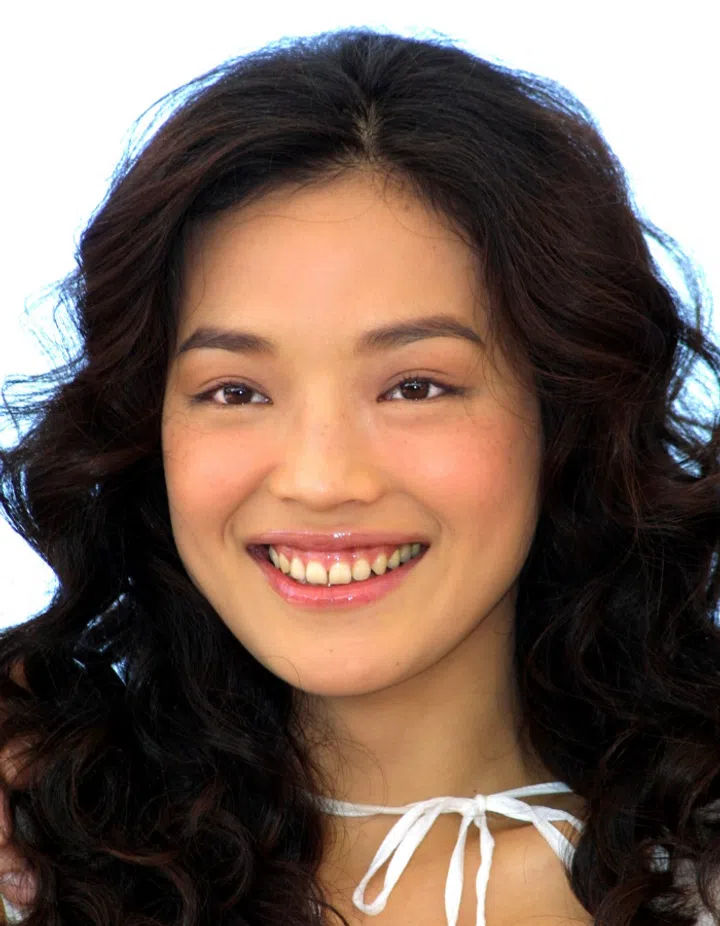
From Shu Qi to Maggie Cheung, the beauty icons of the 90s championed effortless hair, softly defined features and confidence. As women tire of filtered perfection, here’s why this understated look is making a comeback
By Balvinder Sandhu -
Share this article
The 90s has been a huge source of inspiration lately. Early this year, there was the ‘what were you like in the 90s’ trend, where social media users asked parents what that decade was like for them, with a montage of videos and photos soundtracked by the Goo Goo Dolls’ 90s hit song, Iris.
The 90s aesthetic is inspiring women now – we all want to look 90s fine. This natural, timeless look has been dominating social media, starting as a nostalgic look back to that decade, then taking over makeup tutorials and commentary clips.
The original 90s fine look was an antithesis of what went on the decade before. The big hair and boxy looks (no thanks to shoulder pads) of the 80s were out and in came a more subtle, casual look that celebrated natural beauty. Think minimal make-up, effortless style and the lack of filtered or cosmetically-enhanced looks. Confidence was key, letting your natural looks glow with just a little help from beauty products.
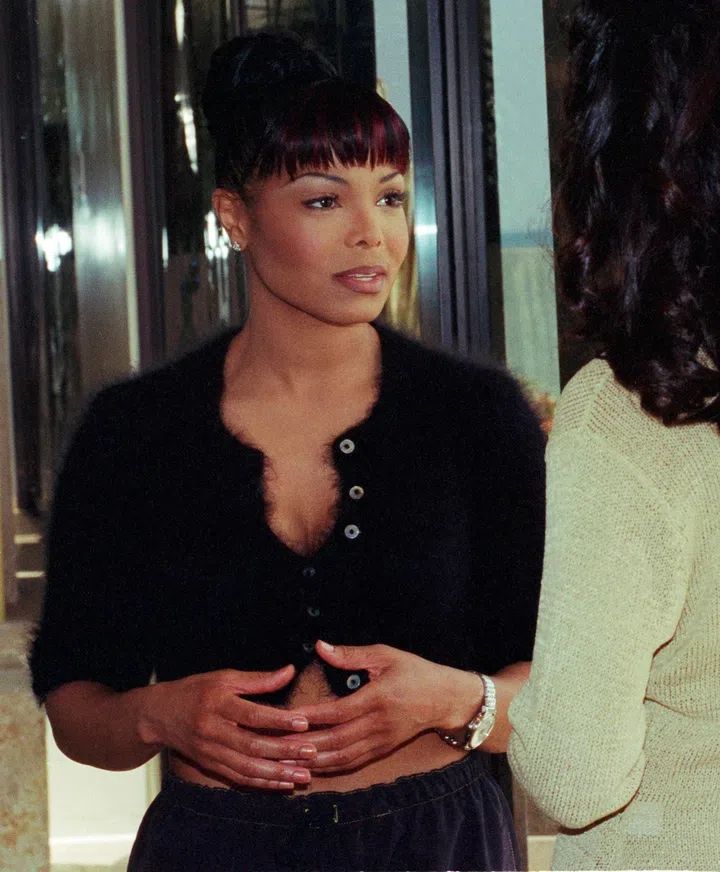
Janet Jackson at home during a pause in interview by Jamaican-born Canadian TV host Rachel Stuart, March 18, 1998 in Malibu, California.
Celebs that emulated this look back then include Halle Berry and Janet Jackson, alongside Asian beauties such as Shu Qi, Cecelia Cheung and Maggie Cheung.
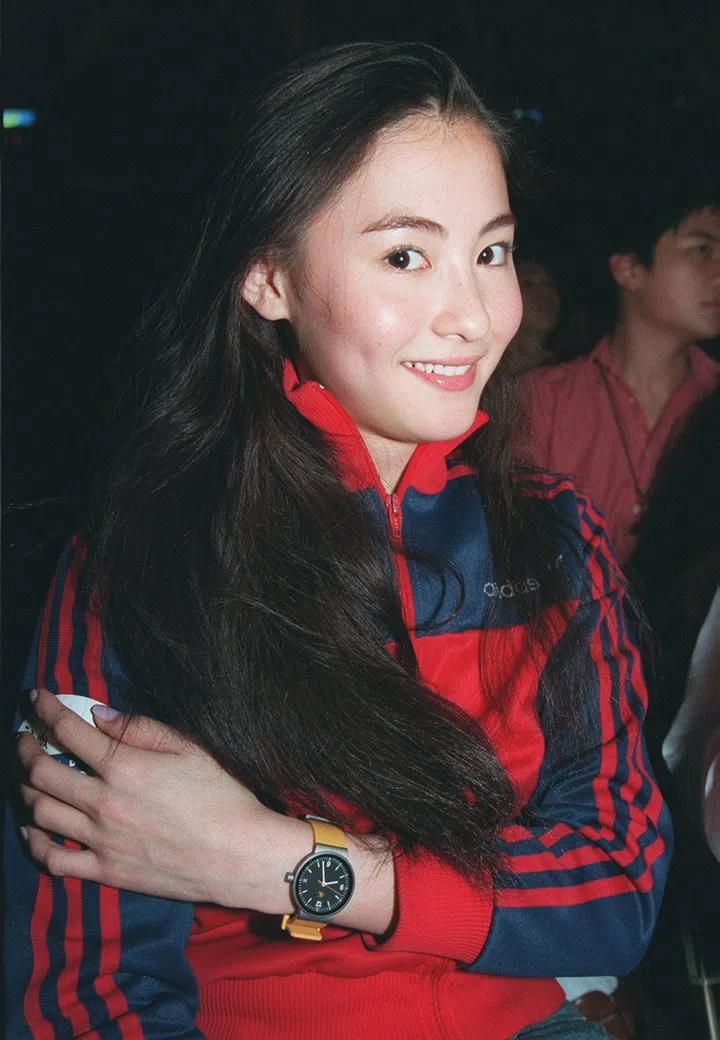
Cecilia Cheung, 1999
Makeup artist Kenneth Chia agrees that the 90s fine approach was partially a response to the exuberant colour of the 80s and the grungy attitude that also dominated the 90s. He sees it as “a pretty timeless look that focuses on a lot of good basics”.
Hairdresser Marc Teng says the 90s featured modern simplicity. Coming out of the 80s glam and sequins, the new nudes were all the rage in the 90s, redefining the ‘natural’ makeup look.
“The 90s fine look is ‘effortless beauty’, a blend of the minimalist 90s with the laid back attitude of streetwear fashion and quiet confidence,” he adds.
Grace Loh, executive coach and psychotherapist at Grace PsyCap, says women are moving away from filtered beauty because “filtered beauty turns your face into a project you can never finish”.
“That constant self-monitoring keeps the nervous system in a low-grade threat state, and eventually the body says enough,” she explains. “Instagram face was designed for the algorithm, not for the woman wearing it. When everyone looks the same, sameness stops feeling aspirational and starts feeling like erasure.”
Grace describes this 90s fine shift as “a collective exhale”. Women are choosing a face they actually recognise over a face that performs well online.
The popularity of this trend is a win for timeless beauty over fleeting aesthetics. Grace shares that trend fatigue is not about money or time, it is depletion. This is because every micro-trend asks you to rebuild your identity from scratch and that never resolves into a stable sense of self.
“Timeless beauty is anchored in identity, not novelty. Confidence comes from coherence, when how you look matches who you already are,” says Grace. “Elegance is restraint, not effort. The 90s women understood that presence beats performance every single time.
“In uncertain times, people reach for what endures. Choosing something classic is a quiet way of saying I am not up for renegotiation this season,” she adds.
Get the 90s fine look
To get the 90s fine look, Kenneth’s advice is – a good base, good sculpting and lots of soft definition in the face to enhance your best features.
“Focus on that, let the bells and whistles come after,” he says.
The 90s fine look featured brows that frame, rather than dominate, the face. To achieve this, Kenneth says it’s about understanding your face’s visual weight.
“Are you someone whose features look better with minimal makeup? Then your brows need to be drawn with a light hand, and softer dark browns,” Kenneth explains. “Are you someone who looks naked without eyeliner or a bold lip? Then you’re probably towards a higher visual weight and require more structure in the brows.
“I like to say – if it looks good, you’re probably on the right track. And if it looks wrong, it probably is,” he adds.
When it comes to lips, the colour itself isn’t as important. Kenneth says it’s less about splitting hairs with tones, and more about adding volume and structure to the lips with things like a soft application of lip liner or plumping glosses.
“Lots of east Asian lip shapes tend to need a little balance – 90s fine is all about enhancing and creating harmony in a face,” he says.
Diffused eye makeup is also part of the 90s fine look. Kenneth’s super quick, pro tip for a diffused eyeshadow blend? Before applying eyeshadow, dust some translucent setting powder all over the lid. Or a tiny amount of powder foundation.
“The powder will create a beautiful diffusion. It takes less than 10 seconds,” he shares.
You’ll also want your skin to look healthy rather than glassy. Kenneth says healthy natural finishes on skin requires more powder if you get oily, and less powder if you’re dry.
“Also, avoid any dewy highlighters – you should be looking at finely-milled powder highlighters that give a soft glitter free glow. I really recommend Hourglass Ambient Lighting Powders, they’re a celebrity staple.”
The Rachel or the Flixie?
Hair was an important aspect of 90s fashion. Marc recalls the ‘Rachel’ haircut popularised by Jennifer Aniston in Friends – medium length hair with lots of choppy and face-framing layers to give volume.
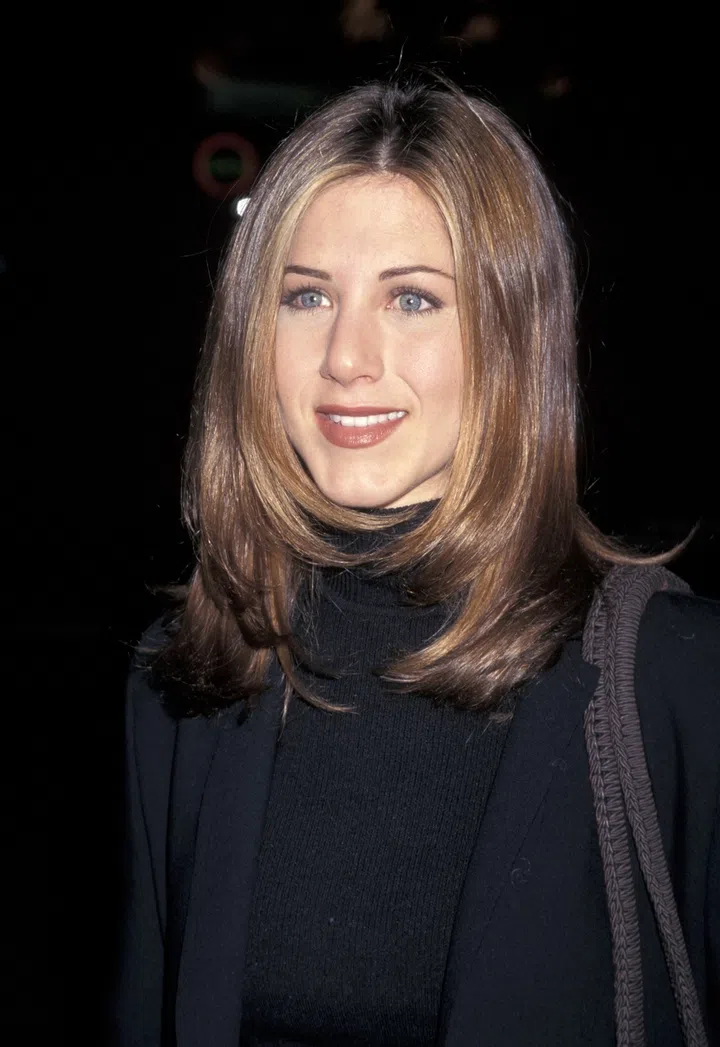
Jennifer Aniston at the Century City Playhouse in Culver City, California, in 1997
Then there’s the Flixie, a short pixie bob-inspired haircut – think Winona Ryder, with wispy flicked-out ends.
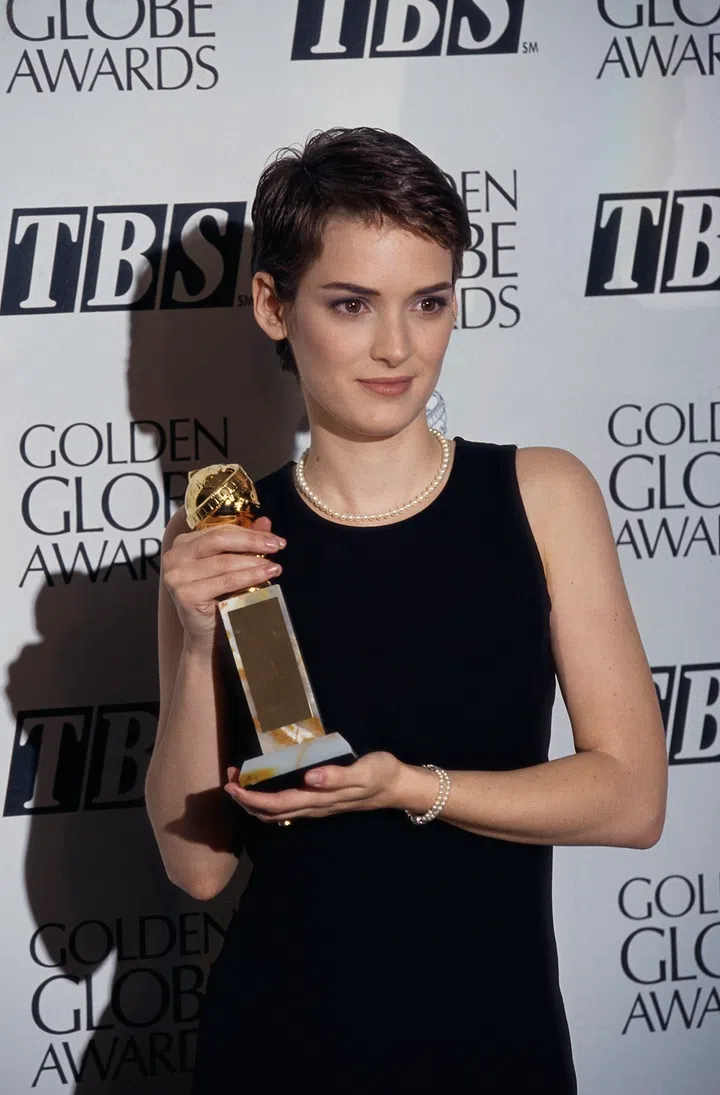
Winona Ryder holds her Golden Globe Award after the 1994 ceremonies in Beverly Hills, California
Marc advises: “For longer hair, the Pamela Anderson messy updo with textured curls twisted and held up casually using a large claw clip giving lots of volume at the crown. Pull random strands of hair down to frame the face, making it look effortless.”
It’s important to create hair with volume for the 90s fine look. Marc suggests prepping hair using a volumising shampoo and conditioner. Avoid heavy products that are rich, creamy and oily as these will weigh your hair down.
“A volumising shampoo will deep cleanse your hair and scalp, removing excess oils (sebum), product buildup and pollution that clumps and weighs the hair down. The result – a natural and vertical root lift,” says Marc.
Volumising shampoo also adds grip and texture by coating each strand of hair with lightweight polymers and/or proteins that thicken each individual hair shaft, giving your hair subtle texture and ‘grip’. Marc says this makes hair easier to style.
He also recommends avoiding any shampoo or conditioner that promises a deeply moisturised, smooth and glossy look. These products often uses heavy oils and silicones that weigh your hair down to achieve a sleek, slippery and shiny finish.
So how do you style your 90s fine hair? Marks says, while your hair is damp, apply a generous amount of volumising mousse or a root-lifting spray from your roots to mid-lengths. Comb through with a wide tooth comb to evenly distribute the product.
“Bend over, flipping your head upside down and rough dry your hair until it’s 80 per cent dry; this lifts the roots away from the scalp,” Marc explains. “Then proceed with a blowout using a ceramic round brush and hair dryer. Pull hair sections perpendicular to the scalp surface for maximum lift and volume.”
After this, wrap your hair around the round brush tightly while continuing the blow dry. When this is done, it’s crucial to immediately set the section in large Velcro rollers and clips and allow 30 minutes for your hair to completely cool to achieve maximum body and bounce, says Marc.
“Then, remove rollers very gently, flip your head upside down and massage the scalp with your fingers to separate the sections and then flip back,” he adds. “Finish with a very fine mist of a flexible lightweight spray. I personally prefer using a fine aerosol spray like L’Oreal Elnett Hairspray or a texturising spray like Oribe Dry Texturising Spray.”