%22%3E%3Cpath%20fill%3D%22%23000%22%20d%3D%22M79.702%2078.555c0%2033.03%2018.767%2046.361%2035.801%2046.361%2014.149%200%2029.738-7.033%2034.505-28.595l-1.445-.306c-3.61%2015.903-14.005%2027.371-33.06%2027.371-13.86%200-13.716-22.173-13.716-41.594V67.415h49.662c0-23.393-13.136-40.674-35.946-40.674-17.034%200-35.801%2018.94-35.801%2051.814m35.801-50.283c14.437%200%2014.005%2026.455%2013.861%2037.617h-27.573c-.004-18.353.865-37.617%2013.712-37.617%22%2F%3E%3C%2Fg%3E%3Cmask%20id%3D%22b%22%20width%3D%22603%22%20height%3D%22126%22%20x%3D%220%22%20y%3D%220%22%20maskUnits%3D%22userSpaceOnUse%22%20style%3D%22mask-type%3Aluminance%22%3E%3Cpath%20fill%3D%22%23fff%22%20d%3D%22M602.5%200H.5v125.074h602z%22%2F%3E%3C%2Fmask%3E%3Cg%20mask%3D%22url(%23b)%22%3E%3Cpath%20fill%3D%22%23000%22%20d%3D%22M86.81%20105.474h-1.445c0%2010.547-4.475%2011.463-5.483%2011.463-2.454%200-4.475-3.514-4.475-11.921V48.264c0-14.83-10.826-21.558-22.229-21.558-10.97%200-22.66%206.118-25.983%2017.276V8.478c-.515-4.763-4.26-8.48-8.893-8.48H.522v1.53H.5c2.886%200%204.763%201.988%204.763%205.045v110.211c0%203.057-1.877%205.045-4.763%205.045h.022v1.531h31.423v-1.531h.021c-2.885%200-4.762-1.988-4.762-5.045V50.252c0-10.395%208.949-18.806%2016.31-18.806%205.338%200%209.813%204.13%209.813%2014.83v58.74c0%2013.909%207.796%2019.874%2016.165%2019.874%209.958.005%2017.318-6.418%2017.318-19.416%22%2F%3E%3C%2Fg%3E%3Cmask%20id%3D%22c%22%20width%3D%22603%22%20height%3D%22126%22%20x%3D%220%22%20y%3D%220%22%20maskUnits%3D%22userSpaceOnUse%22%20style%3D%22mask-type%3Aluminance%22%3E%3Cpath%20fill%3D%22%23fff%22%20d%3D%22M602.5%200H.5v125.074h602z%22%2F%3E%3C%2Fmask%3E%3Cg%20mask%3D%22url(%23c)%22%3E%3Cpath%20fill%3D%22%23000%22%20d%3D%22M225.911%2042.197c0-10.552-11.259-16.818-22.954-16.818-10.682%200-21.513%205.045-25.119%2016.975v-7.352c-.48-4.574-3.977-8.148-8.364-8.398h-18.322v1.53h-.022c2.886%200%204.763%201.99%204.763%205.046v81.371h.004c.293%204.814%203.942%208.633%208.509%208.846v.004h18.173v-1.53h.022c-2.886%200-4.763-1.989-4.763-5.045V48.62c0-10.552%209.094-19.269%2016.602-19.269%204.763%200%208.805%203.672%209.386%2012.693%200%206.881%204.619%2011.773%2011.119%2011.773%206.631%200%2010.966-4.587%2010.966-11.62%22%2F%3E%3C%2Fg%3E%3Cmask%20id%3D%22d%22%20width%3D%22603%22%20height%3D%22126%22%20x%3D%220%22%20y%3D%220%22%20maskUnits%3D%22userSpaceOnUse%22%20style%3D%22mask-type%3Aluminance%22%3E%3Cpath%20fill%3D%22%23fff%22%20d%3D%22M602.5%200H.5v125.074h602z%22%2F%3E%3C%2Fmask%3E%3Cg%20mask%3D%22url(%23d)%22%3E%3Cpath%20fill%3D%22%23000%22%20d%3D%22M234.434%2028.315c2.925%200%205.583%202.312%206.779%205.863l29.782%2089.218h1.597l20.61-61.852%2020.609%2061.852h1.598l29.781-89.218c1.196-3.556%203.855-5.863%206.78-5.863h.183v-1.776h-11.538v1.776h.184c2.925%200%203.99%202.312%202.794%205.863l-18.082%2054.209-18.082-54.209c-1.196-3.556-.131-5.863%202.794-5.863h.183v-1.776h-33.343v1.776h.183c2.925%200%205.583%202.312%206.78%205.863l8.373%2025.058-9.705%2029.15-18.082-54.208c-1.196-3.556-.131-5.863%202.794-5.863h.184v-1.776h-33.344v1.776z%22%2F%3E%3C%2Fg%3E%3Cmask%20id%3D%22e%22%20width%3D%22603%22%20height%3D%22126%22%20x%3D%220%22%20y%3D%220%22%20maskUnits%3D%22userSpaceOnUse%22%20style%3D%22mask-type%3Aluminance%22%3E%3Cpath%20fill%3D%22%23fff%22%20d%3D%22M602.5%200H.5v125.074h602z%22%2F%3E%3C%2Fmask%3E%3Cg%20mask%3D%22url(%23e)%22%3E%3Cpath%20fill%3D%22%23000%22%20d%3D%22M377.826%20124.491c17.034%200%2038.211-15.699%2038.211-48.882%200-33.03-21.177-48.73-38.211-48.73-17.035%200-38.067%2015.857-38.067%2048.73.004%2033.026%2021.032%2048.882%2038.067%2048.882m0-96.085c13.86%200%2016.121%2028.24%2016.121%2047.356%200%2019.116-2.261%2047.198-16.121%2047.198-13.861%200-15.978-27.777-15.978-47.198%200-19.422%202.122-47.356%2015.978-47.356%22%2F%3E%3C%2Fg%3E%3Cmask%20id%3D%22f%22%20width%3D%22603%22%20height%3D%22126%22%20x%3D%220%22%20y%3D%220%22%20maskUnits%3D%22userSpaceOnUse%22%20style%3D%22mask-type%3Aluminance%22%3E%3Cpath%20fill%3D%22%23fff%22%20d%3D%22M602.5%200H.5v125.074h602z%22%2F%3E%3C%2Fmask%3E%3Cg%20mask%3D%22url(%23f)%22%3E%3Cpath%20fill%3D%22%23000%22%20d%3D%22M490.482%2042.197c0-10.552-11.258-16.818-22.953-16.818-10.683%200-21.513%205.045-25.119%2016.975v-7.352c-.48-4.574-3.977-8.148-8.365-8.398h-18.326v1.53h-.022c2.886%200%204.763%201.99%204.763%205.046v81.371h.004c.293%204.814%203.943%208.633%208.509%208.846v.004h18.173v-1.53h.022c-2.885%200-4.763-1.989-4.763-5.045V48.62c0-10.552%209.094-19.269%2016.602-19.269%204.763%200%208.806%203.672%209.386%2012.693%200%206.881%204.619%2011.773%2011.119%2011.773%206.64%200%2010.97-4.587%2010.97-11.62%22%2F%3E%3C%2Fg%3E%3Cmask%20id%3D%22g%22%20width%3D%22603%22%20height%3D%22126%22%20x%3D%220%22%20y%3D%220%22%20maskUnits%3D%22userSpaceOnUse%22%20style%3D%22mask-type%3Aluminance%22%3E%3Cpath%20fill%3D%22%23fff%22%20d%3D%22M602.5%200H.5v125.074h602z%22%2F%3E%3C%2Fmask%3E%3Cg%20mask%3D%22url(%23g)%22%3E%3Cpath%20fill%3D%22%23000%22%20d%3D%22M602.5%20103.974h-1.445c0%2010.553-4.474%2011.468-5.483%2011.468-2.453%200-4.474-3.519-4.474-11.925V6.585c0-3.056%201.877-5.045%204.762-5.045h-.166V.01h-17.715c-4.942%200-8.953%204.24-8.962%209.475h-.009v23.333c-6.063-3.977-9.84-5.503-16.48-5.503-17.034%200-35.801%2014.169-35.801%2047.046%200%2033.183%2013.101%2050.718%2035.801%2050.718%208.085%200%2013.302-2.294%2019.942-8.254%203.03%204.587%207.797%206.575%2012.704%206.575%209.966-.004%2017.326-6.427%2017.326-19.426m-30.75%2011.625c-4.763%204.435-10.84%205.822-13.38%205.822-11.482%200-19.558-16.933-19.558-46.907%200-29.97%2010.914-43.222%2019.885-43.222%203.3%200%206.264.153%2010.307%203.057v69.172c.004%205.04%201.017%209.017%202.746%2012.078%22%2F%3E%3C%2Fg%3E%3Cmask%20id%3D%22h%22%20width%3D%22603%22%20height%3D%22126%22%20x%3D%220%22%20y%3D%220%22%20maskUnits%3D%22userSpaceOnUse%22%20style%3D%22mask-type%3Aluminance%22%3E%3Cpath%20fill%3D%22%23fff%22%20d%3D%22M602.5%200H.5v125.074h602z%22%2F%3E%3C%2Fmask%3E%3Cg%20mask%3D%22url(%23h)%22%3E%3Cpath%20fill%3D%22%23000%22%20d%3D%22M516.984%20121.865c-2.885%200-4.763-1.988-4.763-5.045V9.466C512.2%204.241%20508.196.01%20503.259.01h-17.724v1.53h-.022c2.89%200%204.763%201.989%204.763%205.045v108.418c.515%204.564%204.029%208.129%208.434%208.337v.06h18.252v-1.53h.022z%22%2F%3E%3C%2Fg%3E%3C%2Fsvg%3E)
Is China reclaiming Asia’s cultural spotlight with its fashion and influence?
Fuelled by the global rise of C-dramas, homegrown fashion labels and immersive retail experiences, Chinese cities are emerging as Asia’s most exciting destinations for culture, shopping and contemporary luxury.
By Gerald Tan -

Share this article
Dusk settles as you stroll down a bustling boulevard lined with shops showcasing the latest fashions, from cutting-edge streetwear to the season’s most coveted trainers. Pop music pulses through the air, while state-of-the-art LED screens overhead flash slick campaigns for the hottest new releases. At first glance, you might mistake it for Seoul’s Myeongdong or Tokyo’s Shibuya. In fact, this is Chunxi Road Pedestrian Street, one of Chengdu’s most vibrant shopping precincts.
Home to some 21 million people—and, of course, the beloved giant panda—Chengdu is at the forefront of China’s growing popularity as a holiday destination for Singaporeans. Other cities riding this wave include Chongqing, renowned for its mountainous terrain and cyberpunk cityscape, as well as Shanghai, long favoured for its cosmopolitan outlook. Beyond the urban centres, destinations such as Lijiang and Dali offer striking natural landscapes of almost surreal beauty.
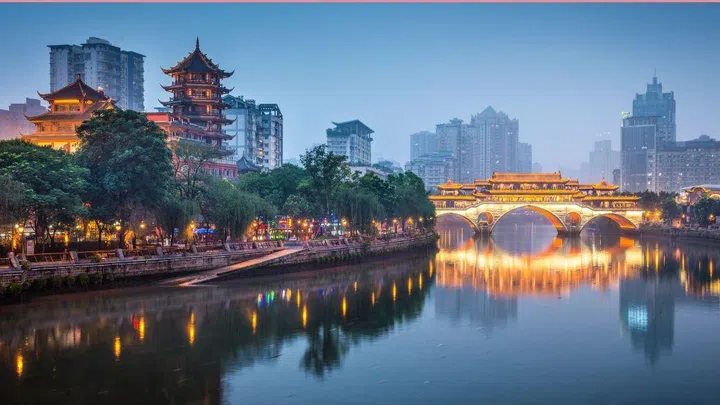
Chengdu, China
The numbers paint a clear picture. Data released by Chengdu’s border inspection authorities showed that more than 1.56 million foreign travellers entered or exited the city in 2025, up 45.8 percent year-on-year, with “Thailand, Malaysia and Singapore being the top three source countries.” This is indicative of a broader trend: according to statistics released by the Ministry of Culture and Tourism, China welcomed more than 150 million inbound tourist visits in 2025—an increase of 17 percent year-on-year. They also spent more than US$130 billion (around $165 billion).
China’s contemporary cultural boom
Several factors are behind China's rising appeal. Firstly, it offers a wealth of experiences that satisfy an increasing sense of cultural curiosity. Social media platforms such as Douyin and Xiaohongshu are influencing decisions by portraying Chinese cities as vibrant destinations where style, spectacle and discovery collide. From hidden neighbourhood gems to photogenic hotspots, they spotlight experiences that feel both immersive and shareable.
These apps have also fuelled a wave of made-for-the-’gram activities, from hanfu photoshoots, where visitors dress in traditional Chinese attire, to viral motorbike rides through Chongqing, evoking the thrill of a high-octane film sequence. Across Instagram and TikTok, videos of Taobao shopping hauls—powered by technological ease and conveniently delivered straight to hotel rooms—have also become a familiar sight.
For education and career guidance counsellor Mary Ann Klyne, she first became fascinated by Chongqing after watching a YouTube video about the city. “I was amazed by how unreal the city looked. It immediately went on my bucket list of places to visit,” she recalls. Over the past couple of years, she came across more social media content about other Chinese cities, and was surprised by how much more modern and vibrant they had become since her first visit to China a decade ago.
“The usual suspects like Bangkok, Seoul and Japanese cities had also run their course for me, and China seemed to hold untapped potential for a fun-filled holiday,” she says.
This April, she finally visited Chongqing and Chengdu with a friend. “I’ve always been a city girl, so I love that these cities have modern, convenient infrastructure similar to Singapore’s. There was so much to do, from food and shopping to nightlife, all at reasonable prices. Plus, you still get your dose of culture, with many historic sites and attractions located close to the city centres. We enjoyed impeccable service too,” she says.
The rise of Chinese cool and its global impact
Whether it was Fendi’s momentous 2007 runway presentation at the Great Wall of China, Valentino’s one-night-only haute couture show in Beijing in 2019, or Chanel’s 2024/25 Métiers d’Art show staged at the iconic West Lake in Hangzhou, China’s status as a key luxury market has long prompted global maisons to invest in spectacle, storytelling and cultural immersion. But today, the narrative is evolving. China is no longer simply a market luxury brands court — it is increasingly a cultural force shaping the future of fashion itself.
This shift is reflected in the rise of a new generation of Chinese stars whose influence now extends far beyond domestic audiences. Chinese actors and idols are now regular fixtures at international fashion weeks while securing coveted global ambassadorships with major luxury houses.
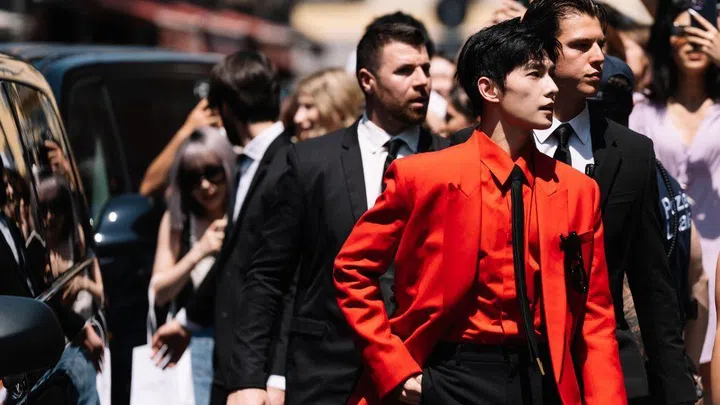
Chinese actor Yang Yang at the Valentino show in Paris
Most recently, Tian Xiwei and Zhang Linghe from the hit Chinese drama Pursuit of Jade fronted Gucci’s Pre-Fall 2026 campaign. Zhang later attended the house’s blockbuster Cruise 2027 runway show in New York, while Tian appeared at the launch of the Generation Gucci collection at Marina Bay Sands Singapore last month — further underscoring the growing influence of Chinese talent within the global luxury landscape.
Beyond celebrity, however, the rise of “Chinese cool” is ultimately rooted in a growing sense of cultural confidence. Across fashion, beauty and retail, a new wave of Chinese creatives are redefining luxury through a distinctly modern lens — one that balances heritage with innovation, craft with technology, and local identity with global appeal.
“Chinese fashion is having its moment, and it is well deserved,” observes fashion and celebrity stylist Neo Li Rong. “There is this effortless street-style energy that Chinese fashion does better than anyone else right now. It feels current, it feels cool, and it speaks to a generation that wants to express its individuality without taking itself too seriously,” she adds.
In fashion, labels such as Shushu/Tong, Susan Fang and Uma Wang have captured international attention for their nuanced interpretations of femininity and contemporary dressing. Their designs feel emotionally resonant rather than trend-driven, offering a perspective shaped by Chinese aesthetics yet universally relevant. Increasingly, these brands are not positioned as “emerging Asian labels”, but as part of fashion’s global luxury conversation.
Accessories are also becoming a powerful entry point into Chinese luxury fashion. Handbag label Songmont has built a devoted following thanks to its understated silhouettes, supple leather craftsmanship and accessible pricing — emerging as a cult favourite among consumers seeking quiet luxury with substance. Rather than relying on overt logos, brands like Songmont speak to a new generation drawn to thoughtful design, versatility and longevity.
According to Li Rong, it is also the sense of purpose that sets Chinese fashion brands apart. “When you look closely at the craftsmanship, you can see so much thought and intention in every piece. It’s not just about aesthetics. There’s an emotional language in the design that truly connects with the wearer. I think Chinese fashion isn’t just clothing right now; it’s also a feeling. And that’s rare,” she says.
One of Li Rong’s favourite stores to visit is SND, a multi-label boutique in Chengdu with an impressive curation of both international labels and Chinese brands. “It’s the perfect store if you want to discover what’s next before it hits the global radar,” she says.
Meanwhile, Chinese brands are redefining the retail experience itself through immersive, narrative-led spaces that blend commerce with culture. Viral fragrance house To Summer channels the poetry of Eastern philosophy through serene boutiques scented with notes of osmanthus, magnolia and tea, creating an atmosphere that feels closer to an art installation than a conventional store. In Shanghai, the TX Huaihai Youth Energy Centre has emerged as a dynamic intersection of fashion, art and youth culture, spotlighting homegrown designers and experimental concepts within a constantly evolving retail landscape.
Together, these brands and spaces reflect a broader shift within luxury fashion: a growing appetite for perspectives beyond the traditional Western canon. Chinese creativity today feels confident, multidimensional and culturally influential — no longer simply following the global fashion conversation, but actively shaping it.
The C-Wave
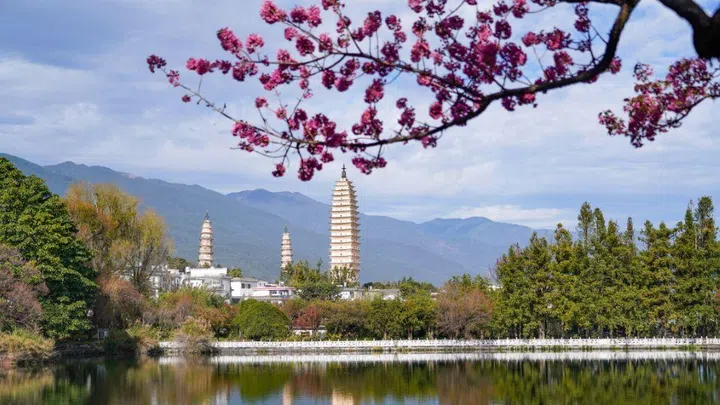
Cherry blossoms in full bloom at the Three Pagodas Park in Yunnan province of China.
With experts projecting China to become the world’s leading tourism economy by 2030, it is little surprise that the country is enjoying a renewed surge in momentum, cementing its status as one of the most compelling destinations today.
Buoyed by the global traction of its cultural exports — from binge-worthy C-dramas to its rapidly rising fashion scene — China is redefining its soft power on the international stage. What was once viewed primarily through the lens of manufacturing and scale is now increasingly associated with creativity, taste and cultural influence.
For travellers looking to move beyond the familiar circuits of Japan and South Korea, Chinese cities offer a fresh sense of discovery, where luxury intersects with heritage, technology and contemporary cool. In cities such as Shanghai and Beijing, sleek concept stores sit alongside historic alleyways, while a new generation of Chinese designers, filmmakers and creatives are reshaping the cultural landscape with a distinct point of view.
This growing cultural confidence is also fuelling the rise of Chinese luxury fashion. Homegrown labels are increasingly commanding global attention by offering a unique design language rooted in craftsmanship, storytelling and modern Chinese identity. The result is a fashion and lifestyle ecosystem that feels both globally relevant and unmistakably local — one that is fast becoming a key reason to visit China in its own right.