%22%3E%3Cpath%20fill%3D%22%23000%22%20d%3D%22M79.702%2078.555c0%2033.03%2018.767%2046.361%2035.801%2046.361%2014.149%200%2029.738-7.033%2034.505-28.595l-1.445-.306c-3.61%2015.903-14.005%2027.371-33.06%2027.371-13.86%200-13.716-22.173-13.716-41.594V67.415h49.662c0-23.393-13.136-40.674-35.946-40.674-17.034%200-35.801%2018.94-35.801%2051.814m35.801-50.283c14.437%200%2014.005%2026.455%2013.861%2037.617h-27.573c-.004-18.353.865-37.617%2013.712-37.617%22%2F%3E%3C%2Fg%3E%3Cmask%20id%3D%22b%22%20width%3D%22603%22%20height%3D%22126%22%20x%3D%220%22%20y%3D%220%22%20maskUnits%3D%22userSpaceOnUse%22%20style%3D%22mask-type%3Aluminance%22%3E%3Cpath%20fill%3D%22%23fff%22%20d%3D%22M602.5%200H.5v125.074h602z%22%2F%3E%3C%2Fmask%3E%3Cg%20mask%3D%22url(%23b)%22%3E%3Cpath%20fill%3D%22%23000%22%20d%3D%22M86.81%20105.474h-1.445c0%2010.547-4.475%2011.463-5.483%2011.463-2.454%200-4.475-3.514-4.475-11.921V48.264c0-14.83-10.826-21.558-22.229-21.558-10.97%200-22.66%206.118-25.983%2017.276V8.478c-.515-4.763-4.26-8.48-8.893-8.48H.522v1.53H.5c2.886%200%204.763%201.988%204.763%205.045v110.211c0%203.057-1.877%205.045-4.763%205.045h.022v1.531h31.423v-1.531h.021c-2.885%200-4.762-1.988-4.762-5.045V50.252c0-10.395%208.949-18.806%2016.31-18.806%205.338%200%209.813%204.13%209.813%2014.83v58.74c0%2013.909%207.796%2019.874%2016.165%2019.874%209.958.005%2017.318-6.418%2017.318-19.416%22%2F%3E%3C%2Fg%3E%3Cmask%20id%3D%22c%22%20width%3D%22603%22%20height%3D%22126%22%20x%3D%220%22%20y%3D%220%22%20maskUnits%3D%22userSpaceOnUse%22%20style%3D%22mask-type%3Aluminance%22%3E%3Cpath%20fill%3D%22%23fff%22%20d%3D%22M602.5%200H.5v125.074h602z%22%2F%3E%3C%2Fmask%3E%3Cg%20mask%3D%22url(%23c)%22%3E%3Cpath%20fill%3D%22%23000%22%20d%3D%22M225.911%2042.197c0-10.552-11.259-16.818-22.954-16.818-10.682%200-21.513%205.045-25.119%2016.975v-7.352c-.48-4.574-3.977-8.148-8.364-8.398h-18.322v1.53h-.022c2.886%200%204.763%201.99%204.763%205.046v81.371h.004c.293%204.814%203.942%208.633%208.509%208.846v.004h18.173v-1.53h.022c-2.886%200-4.763-1.989-4.763-5.045V48.62c0-10.552%209.094-19.269%2016.602-19.269%204.763%200%208.805%203.672%209.386%2012.693%200%206.881%204.619%2011.773%2011.119%2011.773%206.631%200%2010.966-4.587%2010.966-11.62%22%2F%3E%3C%2Fg%3E%3Cmask%20id%3D%22d%22%20width%3D%22603%22%20height%3D%22126%22%20x%3D%220%22%20y%3D%220%22%20maskUnits%3D%22userSpaceOnUse%22%20style%3D%22mask-type%3Aluminance%22%3E%3Cpath%20fill%3D%22%23fff%22%20d%3D%22M602.5%200H.5v125.074h602z%22%2F%3E%3C%2Fmask%3E%3Cg%20mask%3D%22url(%23d)%22%3E%3Cpath%20fill%3D%22%23000%22%20d%3D%22M234.434%2028.315c2.925%200%205.583%202.312%206.779%205.863l29.782%2089.218h1.597l20.61-61.852%2020.609%2061.852h1.598l29.781-89.218c1.196-3.556%203.855-5.863%206.78-5.863h.183v-1.776h-11.538v1.776h.184c2.925%200%203.99%202.312%202.794%205.863l-18.082%2054.209-18.082-54.209c-1.196-3.556-.131-5.863%202.794-5.863h.183v-1.776h-33.343v1.776h.183c2.925%200%205.583%202.312%206.78%205.863l8.373%2025.058-9.705%2029.15-18.082-54.208c-1.196-3.556-.131-5.863%202.794-5.863h.184v-1.776h-33.344v1.776z%22%2F%3E%3C%2Fg%3E%3Cmask%20id%3D%22e%22%20width%3D%22603%22%20height%3D%22126%22%20x%3D%220%22%20y%3D%220%22%20maskUnits%3D%22userSpaceOnUse%22%20style%3D%22mask-type%3Aluminance%22%3E%3Cpath%20fill%3D%22%23fff%22%20d%3D%22M602.5%200H.5v125.074h602z%22%2F%3E%3C%2Fmask%3E%3Cg%20mask%3D%22url(%23e)%22%3E%3Cpath%20fill%3D%22%23000%22%20d%3D%22M377.826%20124.491c17.034%200%2038.211-15.699%2038.211-48.882%200-33.03-21.177-48.73-38.211-48.73-17.035%200-38.067%2015.857-38.067%2048.73.004%2033.026%2021.032%2048.882%2038.067%2048.882m0-96.085c13.86%200%2016.121%2028.24%2016.121%2047.356%200%2019.116-2.261%2047.198-16.121%2047.198-13.861%200-15.978-27.777-15.978-47.198%200-19.422%202.122-47.356%2015.978-47.356%22%2F%3E%3C%2Fg%3E%3Cmask%20id%3D%22f%22%20width%3D%22603%22%20height%3D%22126%22%20x%3D%220%22%20y%3D%220%22%20maskUnits%3D%22userSpaceOnUse%22%20style%3D%22mask-type%3Aluminance%22%3E%3Cpath%20fill%3D%22%23fff%22%20d%3D%22M602.5%200H.5v125.074h602z%22%2F%3E%3C%2Fmask%3E%3Cg%20mask%3D%22url(%23f)%22%3E%3Cpath%20fill%3D%22%23000%22%20d%3D%22M490.482%2042.197c0-10.552-11.258-16.818-22.953-16.818-10.683%200-21.513%205.045-25.119%2016.975v-7.352c-.48-4.574-3.977-8.148-8.365-8.398h-18.326v1.53h-.022c2.886%200%204.763%201.99%204.763%205.046v81.371h.004c.293%204.814%203.943%208.633%208.509%208.846v.004h18.173v-1.53h.022c-2.885%200-4.763-1.989-4.763-5.045V48.62c0-10.552%209.094-19.269%2016.602-19.269%204.763%200%208.806%203.672%209.386%2012.693%200%206.881%204.619%2011.773%2011.119%2011.773%206.64%200%2010.97-4.587%2010.97-11.62%22%2F%3E%3C%2Fg%3E%3Cmask%20id%3D%22g%22%20width%3D%22603%22%20height%3D%22126%22%20x%3D%220%22%20y%3D%220%22%20maskUnits%3D%22userSpaceOnUse%22%20style%3D%22mask-type%3Aluminance%22%3E%3Cpath%20fill%3D%22%23fff%22%20d%3D%22M602.5%200H.5v125.074h602z%22%2F%3E%3C%2Fmask%3E%3Cg%20mask%3D%22url(%23g)%22%3E%3Cpath%20fill%3D%22%23000%22%20d%3D%22M602.5%20103.974h-1.445c0%2010.553-4.474%2011.468-5.483%2011.468-2.453%200-4.474-3.519-4.474-11.925V6.585c0-3.056%201.877-5.045%204.762-5.045h-.166V.01h-17.715c-4.942%200-8.953%204.24-8.962%209.475h-.009v23.333c-6.063-3.977-9.84-5.503-16.48-5.503-17.034%200-35.801%2014.169-35.801%2047.046%200%2033.183%2013.101%2050.718%2035.801%2050.718%208.085%200%2013.302-2.294%2019.942-8.254%203.03%204.587%207.797%206.575%2012.704%206.575%209.966-.004%2017.326-6.427%2017.326-19.426m-30.75%2011.625c-4.763%204.435-10.84%205.822-13.38%205.822-11.482%200-19.558-16.933-19.558-46.907%200-29.97%2010.914-43.222%2019.885-43.222%203.3%200%206.264.153%2010.307%203.057v69.172c.004%205.04%201.017%209.017%202.746%2012.078%22%2F%3E%3C%2Fg%3E%3Cmask%20id%3D%22h%22%20width%3D%22603%22%20height%3D%22126%22%20x%3D%220%22%20y%3D%220%22%20maskUnits%3D%22userSpaceOnUse%22%20style%3D%22mask-type%3Aluminance%22%3E%3Cpath%20fill%3D%22%23fff%22%20d%3D%22M602.5%200H.5v125.074h602z%22%2F%3E%3C%2Fmask%3E%3Cg%20mask%3D%22url(%23h)%22%3E%3Cpath%20fill%3D%22%23000%22%20d%3D%22M516.984%20121.865c-2.885%200-4.763-1.988-4.763-5.045V9.466C512.2%204.241%20508.196.01%20503.259.01h-17.724v1.53h-.022c2.89%200%204.763%201.989%204.763%205.045v108.418c.515%204.564%204.029%208.129%208.434%208.337v.06h18.252v-1.53h.022z%22%2F%3E%3C%2Fg%3E%3C%2Fsvg%3E)
Becoming a quadriplegic: "I had to relearn how to do everything"
She has to get used to a new body as she was able-bodied for 20 years
By Her World Team -
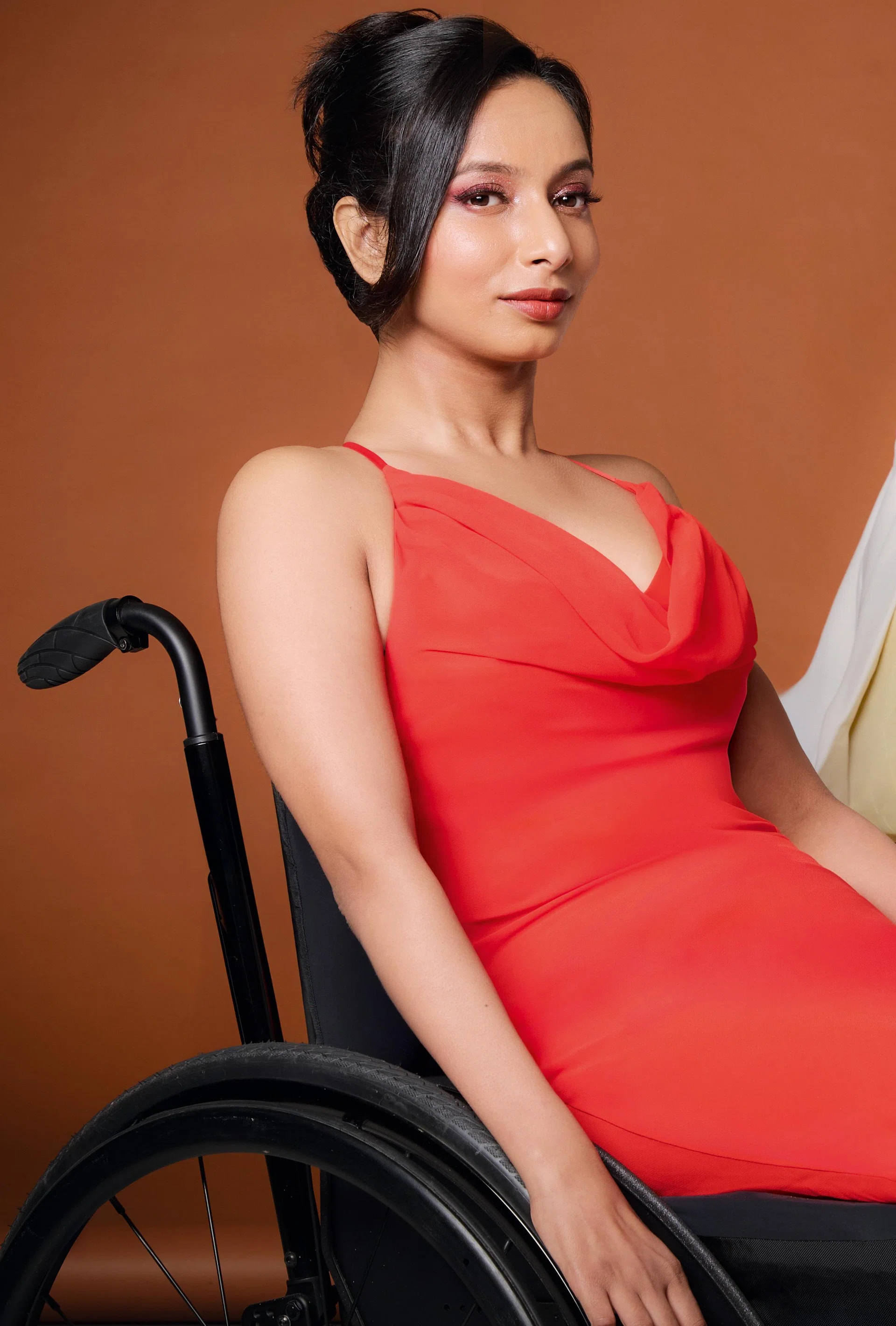
This story is part of a series on body neutrality, where we shine the spotlight on five women on the journey towards self-acceptance.
Fathima Zohra, 29, became a quadriplegic after a car accident.
“The accident happened four years ago and resulted in me breaking my spinal cord, which left me paralysed from the neck down. During the first few months, I was heartbroken and in complete denial of what happened. Apart from having to adjust to the loss of control and sensations, I also had to deal with the physical challenges that came with the injury. In addition, I had to get used to the way people were treating me – strangers would scrutinise my body. That really took a toll on my mental health.
As I had been able-bodied for 20 years, getting used to a new body was really difficult – I had to relearn how to do everything. The muscles that help me breathe were affected, so I can’t breathe properly and struggle with doing simple tasks. Plus, the autonomic regulation of my body temperature was disrupted, so I am always shivering or overheating. I am also constantly in pain.
While most people assume that not being able to walk was the biggest challenge, it was actually the least of my problems – I struggled more with no longer being able to do the little things like standing up to hug loved ones.
How do we create a more caring and inclusive Singapore?
It starts with simple everyday actions, such as being patient when communication may look different, says disability advocate Fathima Zohra. Here, she also explains what the Ministry of Social and Family Development’s initiative titled “Better Starts with Us” means to her.
To me, it is a reminder that meaningful change begins with individual action. Policies, programmes and campaigns are important, but culture is ultimately shaped by how we choose to show up every day. Whether it is an employer willing to hire inclusively, a colleague choosing empathy, a friend making a space more accessible, or a person taking the time to learn about disability, those actions create ripple effects that extend far beyond what we can see. Better does not begin somewhere else or with someone else. It begins with each of us choosing to be part of the change we want to see.
Watch this video to discover why Fathima Zohra thinks meaningful change starts with everyday actions:
I’d be lying if I said I don’t feel insecure about my new body. I went through a long period of hating it, and would cover myself by only wearing baggy clothes. And because I’m paralysed, I have muscle atrophy in my legs. It’s my biggest insecurity: I have to watch my legs get smaller every day, knowing there is nothing I can do to stop it. However, I’m learning to accept that it is my reality, and actively choosing to befriend my condition so that I can develop a better relationship with my body.
It took a lot of hard work, which included therapy, for me to regain confidence and empowerment. I realised I shouldn’t invest my time and energy on things I cannot control, like when people stare, so I decided to instead focus on being a disability advocate and spreading awareness on the importance of inclusiveness. I don’t want any disabled person to feel isolated and excluded from society the way I did.
When I first shared my story here in 2021, I was still relatively early in my advocacy journey and largely speaking from my own lived experience of disability. Today, I feel incredibly grateful that my perspective has expanded beyond my own story.
One of my proudest achievements has been building a career dedicated to disability inclusion and employment.
I spent three meaningful years at Runninghour, an inclusive sports club that promotes the integration of special needs through sports, and as a programme manager, I worked with people who are visually, intellectually, physically or hearing challenged. I learnt so much from them every day, and it is very important to me that I use my story to help change the conversations about people living with disabilities. However, I always knew I wanted to contribute to disability inclusion in an even broader capacity.
Following my time at Runninghour, I joined Inclus, a social enterprise focused on supporting persons with disabilities in employment, and I have now been with the organisation for over three years. Through this role I have had the opportunity to work closely with job seekers, employers, caregivers, educators and community partners across a wide range of industries.
What has evolved most is my understanding of inclusion itself. Earlier in my journey, my advocacy was largely shaped by my personal experiences as a person with disability. Today, my perspective is informed not only by my own experiences, but also by the stories, challenges and aspirations of countless individuals and families I have had the privilege to work alongside.
I have learnt that inclusion is rarely about charity. It is about opportunity, dignity, access and creating environments where people can contribute meaningfully. Some of the most impactful conversations I have had have been with employers who genuinely want to do better but simply need guidance and confidence to take that first step.
To be honest, the change has been a painful experience and I don’t think I can ever completely accept what happened, but I have definitely come to terms with my disability. Body acceptance doesn’t mean having to love every part of your body – it could simply mean that you understand that your body is not a barometer of your worth and happiness.
Shifting your focus to what your body can do for you, rather than what it looks like, can be difficult, and it took a life-changing injury for me to realise what my body did for me. And while I might not love my body every day, I am still really happy with everything it does for me.
One exciting personal update is that I have recently begun exploring competitive wheelchair rugby. Before my accident, sport was a huge part of my identity and I spent so much of my life as an athlete. Returning to sport in a new way feels both unfamiliar and exciting.
While I am still at the beginning of that journey, it has reminded me that disability does not mean the end of our aspirations; sometimes it simply means finding a different path towards them.
It is also OK to be neutral about your body. These days, I remind myself that practising neutrality doesn’t mean I can’t simultaneously practise self-love.
A particularly meaningful milestone was being recognised as part of the National Council of Social Service’s 40-Under-40 list. Receiving that recognition at 28 was both humbling and affirming. As someone who spent years recovering from a life-changing accident, I often felt as thought I had fallen behind my peers. The recognition reminded me that impact is not measured by how quickly we move, but by how consistently we show up for the causes and communities we care about.
I believe Singapore has made significant progress over the past decade. Compared to when I first became disabled almost eight years ago, there is now far greater awareness, stronger community support and more intentional efforts from government agencies, organisations and advocacy groups to create a more inclusive society.
At the same time, I hope we continue moving beyond awareness towards intentional inclusion, which is often shaped by everyday actions. This means taking the time to understand accessibility needs, considering whether a space is welcoming to everyone, being patient when communication may look different, or recognising the important role that caregivers play in supporting persons with disabilities.
For me, the goal is not simply greater awareness, but a culture where inclusion becomes second nature; where persons with disabilities are not treated as exceptions but as valued and expected members of our communities.
PHOTOGRAPHY Vee Chin
STYLING Debby Kwong
ART DIRECTION Adeline Eng
HAIR Ann Lin
MAKEUP Lolent Lee & Eunice Wong
This story first appeared in the July 2021 issue of Her World and updated on 11 Jun 2026. It is in support of the Ministry of Family and Social Development’s Better Starts with Us campaign, which aims to encourage Singaporeans to build a more caring and connected society together. Learn more at go.gov.sg/BetterStartsWithUs.
In partnership with the Ministry of Social and Family Development