%22%3E%3Cpath%20fill%3D%22%23000%22%20d%3D%22M79.702%2078.555c0%2033.03%2018.767%2046.361%2035.801%2046.361%2014.149%200%2029.738-7.033%2034.505-28.595l-1.445-.306c-3.61%2015.903-14.005%2027.371-33.06%2027.371-13.86%200-13.716-22.173-13.716-41.594V67.415h49.662c0-23.393-13.136-40.674-35.946-40.674-17.034%200-35.801%2018.94-35.801%2051.814m35.801-50.283c14.437%200%2014.005%2026.455%2013.861%2037.617h-27.573c-.004-18.353.865-37.617%2013.712-37.617%22%2F%3E%3C%2Fg%3E%3Cmask%20id%3D%22b%22%20width%3D%22603%22%20height%3D%22126%22%20x%3D%220%22%20y%3D%220%22%20maskUnits%3D%22userSpaceOnUse%22%20style%3D%22mask-type%3Aluminance%22%3E%3Cpath%20fill%3D%22%23fff%22%20d%3D%22M602.5%200H.5v125.074h602z%22%2F%3E%3C%2Fmask%3E%3Cg%20mask%3D%22url(%23b)%22%3E%3Cpath%20fill%3D%22%23000%22%20d%3D%22M86.81%20105.474h-1.445c0%2010.547-4.475%2011.463-5.483%2011.463-2.454%200-4.475-3.514-4.475-11.921V48.264c0-14.83-10.826-21.558-22.229-21.558-10.97%200-22.66%206.118-25.983%2017.276V8.478c-.515-4.763-4.26-8.48-8.893-8.48H.522v1.53H.5c2.886%200%204.763%201.988%204.763%205.045v110.211c0%203.057-1.877%205.045-4.763%205.045h.022v1.531h31.423v-1.531h.021c-2.885%200-4.762-1.988-4.762-5.045V50.252c0-10.395%208.949-18.806%2016.31-18.806%205.338%200%209.813%204.13%209.813%2014.83v58.74c0%2013.909%207.796%2019.874%2016.165%2019.874%209.958.005%2017.318-6.418%2017.318-19.416%22%2F%3E%3C%2Fg%3E%3Cmask%20id%3D%22c%22%20width%3D%22603%22%20height%3D%22126%22%20x%3D%220%22%20y%3D%220%22%20maskUnits%3D%22userSpaceOnUse%22%20style%3D%22mask-type%3Aluminance%22%3E%3Cpath%20fill%3D%22%23fff%22%20d%3D%22M602.5%200H.5v125.074h602z%22%2F%3E%3C%2Fmask%3E%3Cg%20mask%3D%22url(%23c)%22%3E%3Cpath%20fill%3D%22%23000%22%20d%3D%22M225.911%2042.197c0-10.552-11.259-16.818-22.954-16.818-10.682%200-21.513%205.045-25.119%2016.975v-7.352c-.48-4.574-3.977-8.148-8.364-8.398h-18.322v1.53h-.022c2.886%200%204.763%201.99%204.763%205.046v81.371h.004c.293%204.814%203.942%208.633%208.509%208.846v.004h18.173v-1.53h.022c-2.886%200-4.763-1.989-4.763-5.045V48.62c0-10.552%209.094-19.269%2016.602-19.269%204.763%200%208.805%203.672%209.386%2012.693%200%206.881%204.619%2011.773%2011.119%2011.773%206.631%200%2010.966-4.587%2010.966-11.62%22%2F%3E%3C%2Fg%3E%3Cmask%20id%3D%22d%22%20width%3D%22603%22%20height%3D%22126%22%20x%3D%220%22%20y%3D%220%22%20maskUnits%3D%22userSpaceOnUse%22%20style%3D%22mask-type%3Aluminance%22%3E%3Cpath%20fill%3D%22%23fff%22%20d%3D%22M602.5%200H.5v125.074h602z%22%2F%3E%3C%2Fmask%3E%3Cg%20mask%3D%22url(%23d)%22%3E%3Cpath%20fill%3D%22%23000%22%20d%3D%22M234.434%2028.315c2.925%200%205.583%202.312%206.779%205.863l29.782%2089.218h1.597l20.61-61.852%2020.609%2061.852h1.598l29.781-89.218c1.196-3.556%203.855-5.863%206.78-5.863h.183v-1.776h-11.538v1.776h.184c2.925%200%203.99%202.312%202.794%205.863l-18.082%2054.209-18.082-54.209c-1.196-3.556-.131-5.863%202.794-5.863h.183v-1.776h-33.343v1.776h.183c2.925%200%205.583%202.312%206.78%205.863l8.373%2025.058-9.705%2029.15-18.082-54.208c-1.196-3.556-.131-5.863%202.794-5.863h.184v-1.776h-33.344v1.776z%22%2F%3E%3C%2Fg%3E%3Cmask%20id%3D%22e%22%20width%3D%22603%22%20height%3D%22126%22%20x%3D%220%22%20y%3D%220%22%20maskUnits%3D%22userSpaceOnUse%22%20style%3D%22mask-type%3Aluminance%22%3E%3Cpath%20fill%3D%22%23fff%22%20d%3D%22M602.5%200H.5v125.074h602z%22%2F%3E%3C%2Fmask%3E%3Cg%20mask%3D%22url(%23e)%22%3E%3Cpath%20fill%3D%22%23000%22%20d%3D%22M377.826%20124.491c17.034%200%2038.211-15.699%2038.211-48.882%200-33.03-21.177-48.73-38.211-48.73-17.035%200-38.067%2015.857-38.067%2048.73.004%2033.026%2021.032%2048.882%2038.067%2048.882m0-96.085c13.86%200%2016.121%2028.24%2016.121%2047.356%200%2019.116-2.261%2047.198-16.121%2047.198-13.861%200-15.978-27.777-15.978-47.198%200-19.422%202.122-47.356%2015.978-47.356%22%2F%3E%3C%2Fg%3E%3Cmask%20id%3D%22f%22%20width%3D%22603%22%20height%3D%22126%22%20x%3D%220%22%20y%3D%220%22%20maskUnits%3D%22userSpaceOnUse%22%20style%3D%22mask-type%3Aluminance%22%3E%3Cpath%20fill%3D%22%23fff%22%20d%3D%22M602.5%200H.5v125.074h602z%22%2F%3E%3C%2Fmask%3E%3Cg%20mask%3D%22url(%23f)%22%3E%3Cpath%20fill%3D%22%23000%22%20d%3D%22M490.482%2042.197c0-10.552-11.258-16.818-22.953-16.818-10.683%200-21.513%205.045-25.119%2016.975v-7.352c-.48-4.574-3.977-8.148-8.365-8.398h-18.326v1.53h-.022c2.886%200%204.763%201.99%204.763%205.046v81.371h.004c.293%204.814%203.943%208.633%208.509%208.846v.004h18.173v-1.53h.022c-2.885%200-4.763-1.989-4.763-5.045V48.62c0-10.552%209.094-19.269%2016.602-19.269%204.763%200%208.806%203.672%209.386%2012.693%200%206.881%204.619%2011.773%2011.119%2011.773%206.64%200%2010.97-4.587%2010.97-11.62%22%2F%3E%3C%2Fg%3E%3Cmask%20id%3D%22g%22%20width%3D%22603%22%20height%3D%22126%22%20x%3D%220%22%20y%3D%220%22%20maskUnits%3D%22userSpaceOnUse%22%20style%3D%22mask-type%3Aluminance%22%3E%3Cpath%20fill%3D%22%23fff%22%20d%3D%22M602.5%200H.5v125.074h602z%22%2F%3E%3C%2Fmask%3E%3Cg%20mask%3D%22url(%23g)%22%3E%3Cpath%20fill%3D%22%23000%22%20d%3D%22M602.5%20103.974h-1.445c0%2010.553-4.474%2011.468-5.483%2011.468-2.453%200-4.474-3.519-4.474-11.925V6.585c0-3.056%201.877-5.045%204.762-5.045h-.166V.01h-17.715c-4.942%200-8.953%204.24-8.962%209.475h-.009v23.333c-6.063-3.977-9.84-5.503-16.48-5.503-17.034%200-35.801%2014.169-35.801%2047.046%200%2033.183%2013.101%2050.718%2035.801%2050.718%208.085%200%2013.302-2.294%2019.942-8.254%203.03%204.587%207.797%206.575%2012.704%206.575%209.966-.004%2017.326-6.427%2017.326-19.426m-30.75%2011.625c-4.763%204.435-10.84%205.822-13.38%205.822-11.482%200-19.558-16.933-19.558-46.907%200-29.97%2010.914-43.222%2019.885-43.222%203.3%200%206.264.153%2010.307%203.057v69.172c.004%205.04%201.017%209.017%202.746%2012.078%22%2F%3E%3C%2Fg%3E%3Cmask%20id%3D%22h%22%20width%3D%22603%22%20height%3D%22126%22%20x%3D%220%22%20y%3D%220%22%20maskUnits%3D%22userSpaceOnUse%22%20style%3D%22mask-type%3Aluminance%22%3E%3Cpath%20fill%3D%22%23fff%22%20d%3D%22M602.5%200H.5v125.074h602z%22%2F%3E%3C%2Fmask%3E%3Cg%20mask%3D%22url(%23h)%22%3E%3Cpath%20fill%3D%22%23000%22%20d%3D%22M516.984%20121.865c-2.885%200-4.763-1.988-4.763-5.045V9.466C512.2%204.241%20508.196.01%20503.259.01h-17.724v1.53h-.022c2.89%200%204.763%201.989%204.763%205.045v108.418c.515%204.564%204.029%208.129%208.434%208.337v.06h18.252v-1.53h.022z%22%2F%3E%3C%2Fg%3E%3C%2Fsvg%3E)
If AI can recreate your face, should companies have to ask permission?
When AI can generate a realistic version of you in seconds, where does the law stand if your face is used without your consent?
By Annabelle Jeffrey -
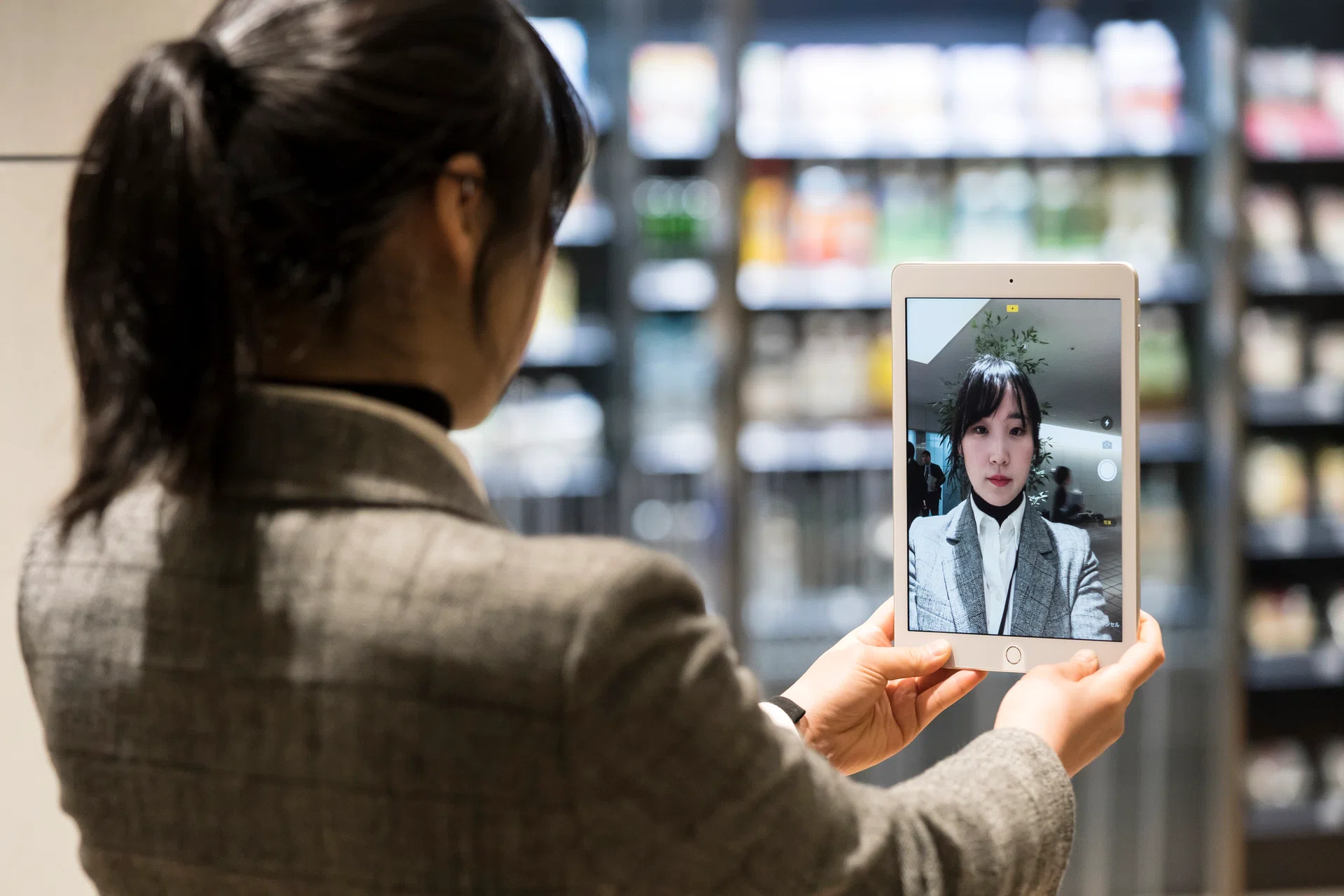
When local influencer Dewy Choo posted a TikTok video on 18 July, it wasn’t to share a new collaboration or life update. Instead, she revealed that AI-generated versions of herself had been appearing in TikTok videos promoting products without her knowledge or consent.
“It’s official, I have a clone and they are using my clone to sell you TikTok products,” she joked after discovering the videos.
There was one detail she found particularly amusing. One AI version of herself appeared to be wearing an engagement ring, prompting her to quip that her AI clone had seemingly gotten engaged before she had.
But behind the humour was a much more serious issue.
Dewy made it clear that she had never given permission for her likeness to be used and urged her followers to report the TikTok account responsible for posting the AI-generated videos, which promoted products including clip on false eyelashes.
The clips were convincing enough to fool some viewers, with several admitting they initially thought they were watching the real Dewy. The same TikTok account had also posted AI generated videos featuring Chinese actor Zhang Linghe’s likeness.
Her experience raises a question that extends far beyond influencers. As generative AI becomes increasingly capable of creating realistic versions of people’s faces and voices, should companies have to ask permission before using someone’s likeness?
And if they don’t, what legal protection do Singaporeans actually have?
Do you actually own your face?
It might seem like an obvious yes, but legally speaking, the answer is more complicated.
According to Dr Wen Weiyang, an associate at IRB Law LLP, Singapore does not recognise a standalone legal right to a person’s image or likeness.
“Singapore does not recognise a standalone right to your own image, and you do not own your face the way you own your flat or a trademark,” he says.
Instead, legal protection comes from a combination of existing laws, depending on how a person’s likeness has been used. These include passing off, the Personal Data Protection Act (PDPA), defamation and harassment laws.
“So when people ask me whether they can stop someone from using their face, my answer is always the same. It depends on what that someone is doing with it,” says Dr Wen. “I know that is cold comfort for victims.”
Does it matter if it’s AI instead of a real photo?
One common misconception is that AI-generated images exist in a legal loophole because they are not actual photographs.
According to Dr Wen, there is an important distinction.
“A photograph is a copyright work,” he explains. “The twist is that the photographer usually owns that copyright, not the person in the picture.”
An AI-generated image, however, may not infringe copyright if it does not reproduce a substantial part of an existing photograph.
“There is no copyright in a face itself,” he says.
Instead, whether someone has a legal claim often depends on whether people can identify who the AI-generated image is meant to portray.
“Passing off, data protection, and defamation all ask much the same question. Would people looking at the image recognise her?”
He points out that AI has also created a new legal grey area, where a generated face can look strikingly similar to someone without being an exact copy.
“A company can now generate a face that is ninety per cent her. Close enough to trade on her appeal, yet arguably not close enough to identify her in law.”
Could companies be breaking the law?
Potentially, yes.
According to Dr Wen, if an advertisement gives the impression that someone is endorsing a product when they are not, the company could face legal action under passing off. This is particularly relevant for influencers, whose identity often carries commercial value.
The PDPA could also come into play if an identifiable image is collected or used without consent.
“If a company generates and uses such an image in advertising without consent, it is arguably in breach,” he says.
Singapore’s advertising industry also expects advertisers to obtain permission before portraying or referring to identifiable individuals in advertisements through the Singapore Code of Advertising Practice.
Where the law is still catching up
While Singapore has introduced legislation to address various AI-related harms, Dr Wen says commercial misuse of AI-generated likenesses remains a developing area.
“The gap is the commercial misuse of an ordinary person’s face, which sits between all these regimes,” he says.
He explains that influencers may have stronger legal arguments because they can show their identity has commercial value. An ordinary person, however, may find it more difficult to rely on the same legal avenues.
Another unanswered question is how Singapore’s laws should treat entirely AI-generated images that are still recognisable as a real person.
“I think there is a strong argument” that such images could be considered personal data if the individual is identifiable, says Dr Wen, although no regulator or court has yet ruled on the issue.
Enforcement also presents its own challenges. Many AI-generated advertisements originate from overseas operators and are distributed across global platforms, making it difficult for victims to identify those responsible or have the content removed.
Dr Wen notes that the Online Safety (Relief and Accountability) Act 2025, which came into force in phases from 29 June, introduces new remedies for certain online harms.
However, he says questions remain over how its provisions relating to impersonation will ultimately apply to AI-generated advertising and commercial uses of a person’s likeness.
Consent should still come first
Regardless of where the law currently stands, Dr Wen believes the ethical answer is much clearer.
“Your face is the most personal identifier you have,” he says. “An advertisement that uses it is borrowing your credibility to sell something, and no company should do that without asking, whatever the statute book says.”
Seeking permission, he argues, is not just the ethical thing to do but also the smarter business decision.
“A good rule of thumb is this: if your advertisement works because the audience recognises a real person, go and get that person’s consent.”
As AI becomes more sophisticated, the question is no longer whether someone’s likeness can be recreated. It’s whether our laws, and the companies using the technology, can keep pace with the responsibility that comes with it.