%22%3E%3Cpath%20fill%3D%22%23000%22%20d%3D%22M79.702%2078.555c0%2033.03%2018.767%2046.361%2035.801%2046.361%2014.149%200%2029.738-7.033%2034.505-28.595l-1.445-.306c-3.61%2015.903-14.005%2027.371-33.06%2027.371-13.86%200-13.716-22.173-13.716-41.594V67.415h49.662c0-23.393-13.136-40.674-35.946-40.674-17.034%200-35.801%2018.94-35.801%2051.814m35.801-50.283c14.437%200%2014.005%2026.455%2013.861%2037.617h-27.573c-.004-18.353.865-37.617%2013.712-37.617%22%2F%3E%3C%2Fg%3E%3Cmask%20id%3D%22b%22%20width%3D%22603%22%20height%3D%22126%22%20x%3D%220%22%20y%3D%220%22%20maskUnits%3D%22userSpaceOnUse%22%20style%3D%22mask-type%3Aluminance%22%3E%3Cpath%20fill%3D%22%23fff%22%20d%3D%22M602.5%200H.5v125.074h602z%22%2F%3E%3C%2Fmask%3E%3Cg%20mask%3D%22url(%23b)%22%3E%3Cpath%20fill%3D%22%23000%22%20d%3D%22M86.81%20105.474h-1.445c0%2010.547-4.475%2011.463-5.483%2011.463-2.454%200-4.475-3.514-4.475-11.921V48.264c0-14.83-10.826-21.558-22.229-21.558-10.97%200-22.66%206.118-25.983%2017.276V8.478c-.515-4.763-4.26-8.48-8.893-8.48H.522v1.53H.5c2.886%200%204.763%201.988%204.763%205.045v110.211c0%203.057-1.877%205.045-4.763%205.045h.022v1.531h31.423v-1.531h.021c-2.885%200-4.762-1.988-4.762-5.045V50.252c0-10.395%208.949-18.806%2016.31-18.806%205.338%200%209.813%204.13%209.813%2014.83v58.74c0%2013.909%207.796%2019.874%2016.165%2019.874%209.958.005%2017.318-6.418%2017.318-19.416%22%2F%3E%3C%2Fg%3E%3Cmask%20id%3D%22c%22%20width%3D%22603%22%20height%3D%22126%22%20x%3D%220%22%20y%3D%220%22%20maskUnits%3D%22userSpaceOnUse%22%20style%3D%22mask-type%3Aluminance%22%3E%3Cpath%20fill%3D%22%23fff%22%20d%3D%22M602.5%200H.5v125.074h602z%22%2F%3E%3C%2Fmask%3E%3Cg%20mask%3D%22url(%23c)%22%3E%3Cpath%20fill%3D%22%23000%22%20d%3D%22M225.911%2042.197c0-10.552-11.259-16.818-22.954-16.818-10.682%200-21.513%205.045-25.119%2016.975v-7.352c-.48-4.574-3.977-8.148-8.364-8.398h-18.322v1.53h-.022c2.886%200%204.763%201.99%204.763%205.046v81.371h.004c.293%204.814%203.942%208.633%208.509%208.846v.004h18.173v-1.53h.022c-2.886%200-4.763-1.989-4.763-5.045V48.62c0-10.552%209.094-19.269%2016.602-19.269%204.763%200%208.805%203.672%209.386%2012.693%200%206.881%204.619%2011.773%2011.119%2011.773%206.631%200%2010.966-4.587%2010.966-11.62%22%2F%3E%3C%2Fg%3E%3Cmask%20id%3D%22d%22%20width%3D%22603%22%20height%3D%22126%22%20x%3D%220%22%20y%3D%220%22%20maskUnits%3D%22userSpaceOnUse%22%20style%3D%22mask-type%3Aluminance%22%3E%3Cpath%20fill%3D%22%23fff%22%20d%3D%22M602.5%200H.5v125.074h602z%22%2F%3E%3C%2Fmask%3E%3Cg%20mask%3D%22url(%23d)%22%3E%3Cpath%20fill%3D%22%23000%22%20d%3D%22M234.434%2028.315c2.925%200%205.583%202.312%206.779%205.863l29.782%2089.218h1.597l20.61-61.852%2020.609%2061.852h1.598l29.781-89.218c1.196-3.556%203.855-5.863%206.78-5.863h.183v-1.776h-11.538v1.776h.184c2.925%200%203.99%202.312%202.794%205.863l-18.082%2054.209-18.082-54.209c-1.196-3.556-.131-5.863%202.794-5.863h.183v-1.776h-33.343v1.776h.183c2.925%200%205.583%202.312%206.78%205.863l8.373%2025.058-9.705%2029.15-18.082-54.208c-1.196-3.556-.131-5.863%202.794-5.863h.184v-1.776h-33.344v1.776z%22%2F%3E%3C%2Fg%3E%3Cmask%20id%3D%22e%22%20width%3D%22603%22%20height%3D%22126%22%20x%3D%220%22%20y%3D%220%22%20maskUnits%3D%22userSpaceOnUse%22%20style%3D%22mask-type%3Aluminance%22%3E%3Cpath%20fill%3D%22%23fff%22%20d%3D%22M602.5%200H.5v125.074h602z%22%2F%3E%3C%2Fmask%3E%3Cg%20mask%3D%22url(%23e)%22%3E%3Cpath%20fill%3D%22%23000%22%20d%3D%22M377.826%20124.491c17.034%200%2038.211-15.699%2038.211-48.882%200-33.03-21.177-48.73-38.211-48.73-17.035%200-38.067%2015.857-38.067%2048.73.004%2033.026%2021.032%2048.882%2038.067%2048.882m0-96.085c13.86%200%2016.121%2028.24%2016.121%2047.356%200%2019.116-2.261%2047.198-16.121%2047.198-13.861%200-15.978-27.777-15.978-47.198%200-19.422%202.122-47.356%2015.978-47.356%22%2F%3E%3C%2Fg%3E%3Cmask%20id%3D%22f%22%20width%3D%22603%22%20height%3D%22126%22%20x%3D%220%22%20y%3D%220%22%20maskUnits%3D%22userSpaceOnUse%22%20style%3D%22mask-type%3Aluminance%22%3E%3Cpath%20fill%3D%22%23fff%22%20d%3D%22M602.5%200H.5v125.074h602z%22%2F%3E%3C%2Fmask%3E%3Cg%20mask%3D%22url(%23f)%22%3E%3Cpath%20fill%3D%22%23000%22%20d%3D%22M490.482%2042.197c0-10.552-11.258-16.818-22.953-16.818-10.683%200-21.513%205.045-25.119%2016.975v-7.352c-.48-4.574-3.977-8.148-8.365-8.398h-18.326v1.53h-.022c2.886%200%204.763%201.99%204.763%205.046v81.371h.004c.293%204.814%203.943%208.633%208.509%208.846v.004h18.173v-1.53h.022c-2.885%200-4.763-1.989-4.763-5.045V48.62c0-10.552%209.094-19.269%2016.602-19.269%204.763%200%208.806%203.672%209.386%2012.693%200%206.881%204.619%2011.773%2011.119%2011.773%206.64%200%2010.97-4.587%2010.97-11.62%22%2F%3E%3C%2Fg%3E%3Cmask%20id%3D%22g%22%20width%3D%22603%22%20height%3D%22126%22%20x%3D%220%22%20y%3D%220%22%20maskUnits%3D%22userSpaceOnUse%22%20style%3D%22mask-type%3Aluminance%22%3E%3Cpath%20fill%3D%22%23fff%22%20d%3D%22M602.5%200H.5v125.074h602z%22%2F%3E%3C%2Fmask%3E%3Cg%20mask%3D%22url(%23g)%22%3E%3Cpath%20fill%3D%22%23000%22%20d%3D%22M602.5%20103.974h-1.445c0%2010.553-4.474%2011.468-5.483%2011.468-2.453%200-4.474-3.519-4.474-11.925V6.585c0-3.056%201.877-5.045%204.762-5.045h-.166V.01h-17.715c-4.942%200-8.953%204.24-8.962%209.475h-.009v23.333c-6.063-3.977-9.84-5.503-16.48-5.503-17.034%200-35.801%2014.169-35.801%2047.046%200%2033.183%2013.101%2050.718%2035.801%2050.718%208.085%200%2013.302-2.294%2019.942-8.254%203.03%204.587%207.797%206.575%2012.704%206.575%209.966-.004%2017.326-6.427%2017.326-19.426m-30.75%2011.625c-4.763%204.435-10.84%205.822-13.38%205.822-11.482%200-19.558-16.933-19.558-46.907%200-29.97%2010.914-43.222%2019.885-43.222%203.3%200%206.264.153%2010.307%203.057v69.172c.004%205.04%201.017%209.017%202.746%2012.078%22%2F%3E%3C%2Fg%3E%3Cmask%20id%3D%22h%22%20width%3D%22603%22%20height%3D%22126%22%20x%3D%220%22%20y%3D%220%22%20maskUnits%3D%22userSpaceOnUse%22%20style%3D%22mask-type%3Aluminance%22%3E%3Cpath%20fill%3D%22%23fff%22%20d%3D%22M602.5%200H.5v125.074h602z%22%2F%3E%3C%2Fmask%3E%3Cg%20mask%3D%22url(%23h)%22%3E%3Cpath%20fill%3D%22%23000%22%20d%3D%22M516.984%20121.865c-2.885%200-4.763-1.988-4.763-5.045V9.466C512.2%204.241%20508.196.01%20503.259.01h-17.724v1.53h-.022c2.89%200%204.763%201.989%204.763%205.045v108.418c.515%204.564%204.029%208.129%208.434%208.337v.06h18.252v-1.53h.022z%22%2F%3E%3C%2Fg%3E%3C%2Fsvg%3E)
These two founders have set up a company that they’re hoping will one day be obsolete
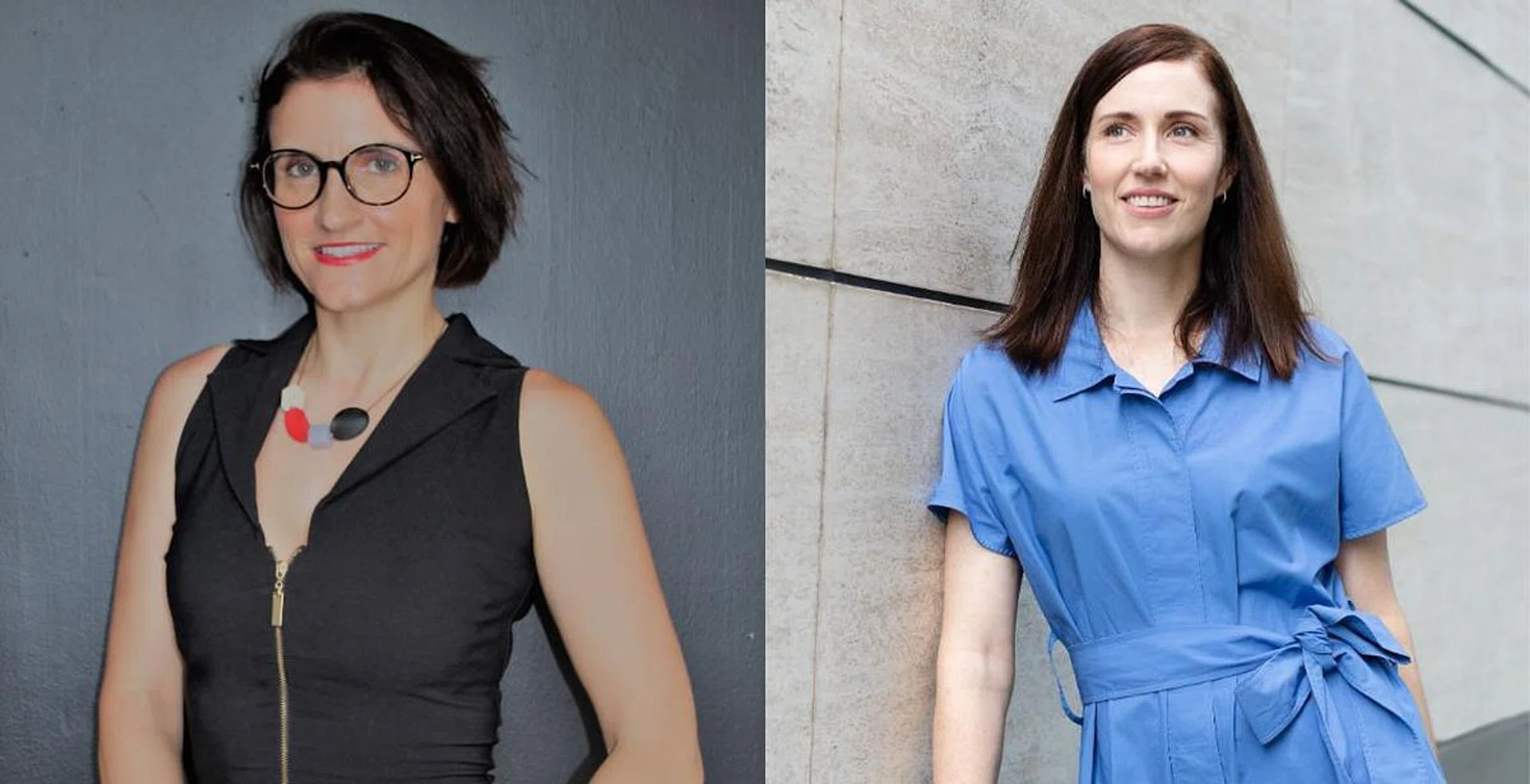
Founders of Harriet, Tanya Rolfe and Anna Pearson, are hoping to level the playing field and help female entrepreneurs get rid of gender biases when raising funds
By Karishma Tulsidas -
Share this article
Tanya Rolfe and Anna Pearson are on a mission to eradicate gender biases in the founder ecosystem – and in doing so, make their own company obsolete. They’re the founders of Harriet, a platform that connects and equips female founders with the necessary tools to fund their businesses.
“We designed Harriet to support female founders. Tanya and I have spent seven years investing in female founders and we have learnt first-hand from our female founders that the ecosystem does not create a level playing field at all,” says Anna. “Harriet is our attempt to level that playing field. Harriet, we hope, represents our unwavering support for female entrepreneurs.”
When they set up Harriet last year, the founders were keen to share their combined experiences in law, HR, financial education, investing and venture capitalism with female entrepreneurs looking to raise capital. But both Anna and Tanya didn’t anticipate the amount of pushback they faced from venture capital firms: They were astounded by the gender biases that existed, and the lack of awareness of how female businesses are crucial for overall economic success.
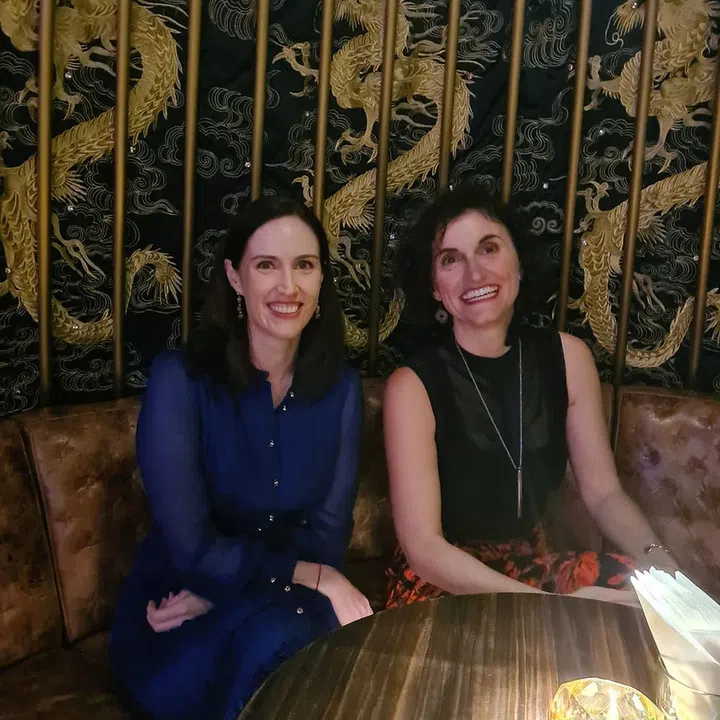
Anna Pearson and Tanya Rolfe
Still, the two refuse to give up: They're continuing to grow Harriet and build supportive networks for female entrepreneurs. Earlier this year, they also hosted the first, invite-only Female Founder Series that "showcases great female-founded companies".
"It’s part of creating awareness of the funding gap, and giving a face (or faces to those challenges)," says Tanya. "It connects female founders with top investors, integrating bias training to empower founders, showcase innovative ideas, and hopefully secure vital funding for growth and success.
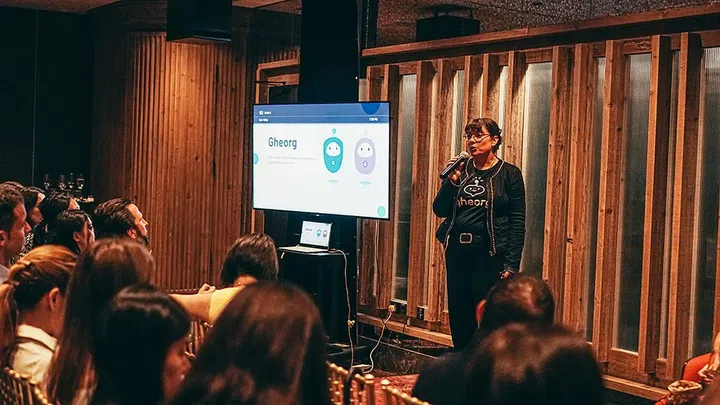
The first ever Female Founder series in March 2023 saw a host of female entrepreneurs present their innovative businesses to a crowd of investors
"After dedicating nearly a year to the development of Harriet, we realised that bridging the funding gap for female founders requires a collective effort from the entire ecosystem. It was a fantastic kick-off event to really cement our positioning here in the funding ecosystem in Singapore. We are now fully immersed and networked with most of the angels and VCs in Singapore. Our aim was to build out our network so we can continue our work on funding for our female founders in between our events.”
We chat with Anna and Tanya about their thoughts on the VC ecosystem and why we need to do more to change the conversation:
Tell us about what Harriet does.
Anna Pearson (AP): At Harriet, we've created two interconnected businesses that mutually reinforce each other. The first is Connecting Harriet, an online platform that offers a comprehensive range of essential tools, resources, and expertise, empowering female entrepreneurs to drive their business growth forward. Connecting Harriet is also a connectivity platform to other female founders which is something we know all female founders want! And then there’s Funding Harriet, where we extend support to female founders by facilitating access to external funding and forging connections with venture capitalists (VCs) also looking to create meaningful change in the industry (VCs).
What was your motivation behind setting up Harriet, and why was it important to you?
AP: Our journey with Harriet began through our personal experiences funding and supporting female founders as [angel investors]. We were being presented with great commercial opportunities from an investment standpoint because these founders were struggling with investors who did not understand their businesses. Also through Tanya’s experience managing a fund and our work together through investment clubs beforehand, we lived that gender disparity alongside our founders.
The majority of investors are men and this realisation shed light on one of the major challenges faced by female entrepreneurs – limited access to female investors or at least investors really willing to invest outside their area of expertise. Harriet was born out of the necessity to address this issue and create a platform to advocate for female founders and redress the balance.
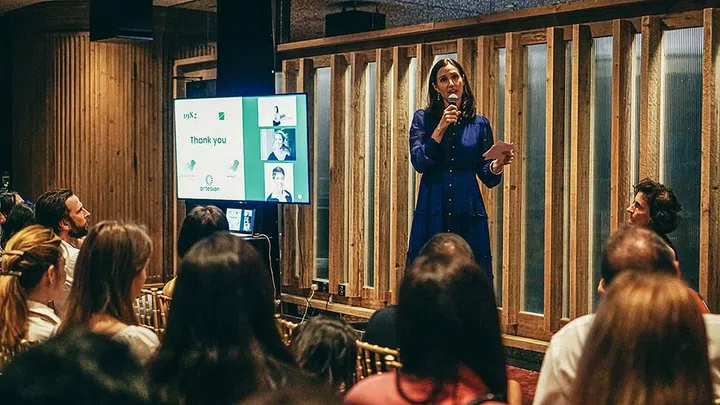
Anna Pearson at the Female Founders event
You’ve mentioned that you’re hoping that one day, Harriet will be obsolete – that's highly uncommon! Tell us more.
AP: While it may seem counterintuitive for a platform like Harriet to strive for obsolescence, our true measure of success is obsolescence! If female founders don’t need our support anymore and their businesses are recognised on merit for funding, then that means investors have a greater understanding of new industries and genuinely want to invest without any gender bias. That is our aspiration where gender disparities in venture capital are no longer a barrier to success. It will signify a momentous achievement for gender equality in venture capital. We’d be quite happy to be out of a job then!
What have been some of the biggest surprises since setting up Harriet?
AP: One of the most striking revelations has been the lack of awareness surrounding the challenges faced by female founders when seeking external funding. Many people remain unaware of the obstacles and biases that female entrepreneurs encounter in accessing funding for their businesses. And even when people do become aware of these challenges, there is often a lack of concerted effort to address and solve the problem.
Despite the immense potential and exceptional business ideas that female founders bring to the table, they often face uphill battles in securing the necessary support. Again, we don’t believe this is deliberate, but we’ve all been conditioned to recognise successful founders in a certain way and that way is male. This realisation has highlighted the urgent need for greater awareness and accountability in the industry.
Since setting up Harriet, do you believe that gender biases exist in the funding space, and if so, how can we do better?
Tanya Rolfe (TR): Yes, and to be honest it was a hard thing to accept. I don’t believe either of us had felt we’d been held back in our previous careers based on our gender.
However, with so few female investors within venture funds, it is inevitable that we have a gender bias among the founders they invest into. More often than not, VCs have [limited partners] to answer to and so the pressure is on them to perform and provide certain returns. This often leads to VCs playing it safe with investments and only investing in things they have invested in before.
It is usually the case that women founders are building different types of businesses from the ones they have invested in before so they fall outside the fund's investment thesis.
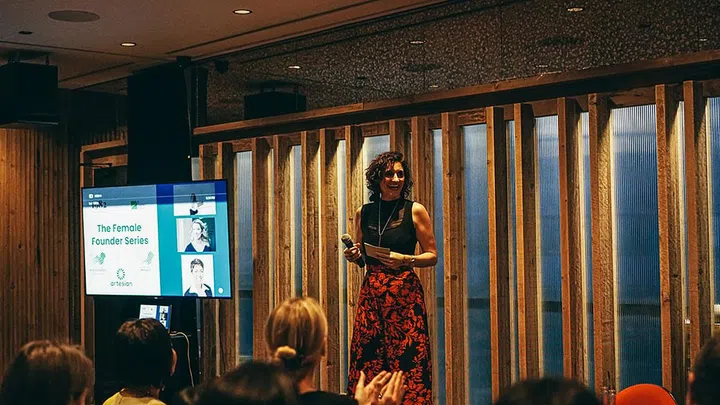
Tanya Rolfe at the Female Founders event
We know that less than 3% of funded companies are founded by women – how does Harriet seek to close that funding gap?
AP: Closing the funding gap requires a multi-faceted approach and it’s not something that can be solved overnight. At Harriet, we prioritise empowering female entrepreneurs by equipping them with helpful resources and most importantly a community through our platform, Connecting Harriet. We also actively facilitate connections between our founders and venture capitalists (VCs) who are actively seeking diverse investment opportunities through Funding Harriet.
Our close collaborations with leading VC firms create meaningful engagement opportunities, ensuring that female-led companies have access to the funding they need for sustainable growth and success. We also advocate both for female founders but also helping VCs to take a different approach and highlighting some of the institutional nuances that essentially inadvertently restrict their ability to invest in female founders.
For example, many VCs establishing new funds will tell you they are committed to writing tickets for female founders, but their ticket size will be US$3 million plus. The challenge for female founders is many struggles to even reach a size where a raise of that nature is required.
The real gap lies in the lack of funding options available for female-founded companies at the crucial early stages, typically between tickets of $200,000 - $1.5 million. Consequently, there is a pressing need for funds specifically designed to address this gap. It is important to note that different funds have varying investment strategies, targeting distinct stages and deal sizes. However, based on our experience, there is a notable shortage of early-stage funds catering to the needs of female founders.
What are some challenges that you didn’t foresee when you first started?
TR: Lip service has been a real surprise for both of us. We have met a lot of investors who will say all the right things but at the end of the day won’t write the checks needed to move companies through their early-stage raises. So, it’s our job to distinguish between those that do and don’t genuinely want to do something differently. That’s been a big learning curve for us.
Women represent 50% of the population – still we are underserved in so many ways. Why is it important to support women-led and women-targeted businesses? How does that benefit the economy and society in general?
TR: Supporting women-led and women-targeted businesses is not only a matter of fairness and equality but also a strategic move that benefits the economy and society at large. It unlocks untapped potential, promotes social responsibility, and fosters innovation.
By levelling the playing field for female founders, we can tap into a vast pool of untapped talent, creativity, and innovation – as you said, women represent 50% of the population. Moreover, women-led businesses tend to have a positive impact on society. They often prioritise social responsibility, sustainable practices, and community engagement. By supporting these businesses, we encourage the development of more inclusive and socially conscious solutions to pressing challenges.
It also makes fantastic economic sense as women-led companies have been proven to outperform male-led companies. BCG found that women-led companies return more than double that of male-led companies to their investors.