%22%3E%3Cpath%20fill%3D%22%23000%22%20d%3D%22M79.702%2078.555c0%2033.03%2018.767%2046.361%2035.801%2046.361%2014.149%200%2029.738-7.033%2034.505-28.595l-1.445-.306c-3.61%2015.903-14.005%2027.371-33.06%2027.371-13.86%200-13.716-22.173-13.716-41.594V67.415h49.662c0-23.393-13.136-40.674-35.946-40.674-17.034%200-35.801%2018.94-35.801%2051.814m35.801-50.283c14.437%200%2014.005%2026.455%2013.861%2037.617h-27.573c-.004-18.353.865-37.617%2013.712-37.617%22%2F%3E%3C%2Fg%3E%3Cmask%20id%3D%22b%22%20width%3D%22603%22%20height%3D%22126%22%20x%3D%220%22%20y%3D%220%22%20maskUnits%3D%22userSpaceOnUse%22%20style%3D%22mask-type%3Aluminance%22%3E%3Cpath%20fill%3D%22%23fff%22%20d%3D%22M602.5%200H.5v125.074h602z%22%2F%3E%3C%2Fmask%3E%3Cg%20mask%3D%22url(%23b)%22%3E%3Cpath%20fill%3D%22%23000%22%20d%3D%22M86.81%20105.474h-1.445c0%2010.547-4.475%2011.463-5.483%2011.463-2.454%200-4.475-3.514-4.475-11.921V48.264c0-14.83-10.826-21.558-22.229-21.558-10.97%200-22.66%206.118-25.983%2017.276V8.478c-.515-4.763-4.26-8.48-8.893-8.48H.522v1.53H.5c2.886%200%204.763%201.988%204.763%205.045v110.211c0%203.057-1.877%205.045-4.763%205.045h.022v1.531h31.423v-1.531h.021c-2.885%200-4.762-1.988-4.762-5.045V50.252c0-10.395%208.949-18.806%2016.31-18.806%205.338%200%209.813%204.13%209.813%2014.83v58.74c0%2013.909%207.796%2019.874%2016.165%2019.874%209.958.005%2017.318-6.418%2017.318-19.416%22%2F%3E%3C%2Fg%3E%3Cmask%20id%3D%22c%22%20width%3D%22603%22%20height%3D%22126%22%20x%3D%220%22%20y%3D%220%22%20maskUnits%3D%22userSpaceOnUse%22%20style%3D%22mask-type%3Aluminance%22%3E%3Cpath%20fill%3D%22%23fff%22%20d%3D%22M602.5%200H.5v125.074h602z%22%2F%3E%3C%2Fmask%3E%3Cg%20mask%3D%22url(%23c)%22%3E%3Cpath%20fill%3D%22%23000%22%20d%3D%22M225.911%2042.197c0-10.552-11.259-16.818-22.954-16.818-10.682%200-21.513%205.045-25.119%2016.975v-7.352c-.48-4.574-3.977-8.148-8.364-8.398h-18.322v1.53h-.022c2.886%200%204.763%201.99%204.763%205.046v81.371h.004c.293%204.814%203.942%208.633%208.509%208.846v.004h18.173v-1.53h.022c-2.886%200-4.763-1.989-4.763-5.045V48.62c0-10.552%209.094-19.269%2016.602-19.269%204.763%200%208.805%203.672%209.386%2012.693%200%206.881%204.619%2011.773%2011.119%2011.773%206.631%200%2010.966-4.587%2010.966-11.62%22%2F%3E%3C%2Fg%3E%3Cmask%20id%3D%22d%22%20width%3D%22603%22%20height%3D%22126%22%20x%3D%220%22%20y%3D%220%22%20maskUnits%3D%22userSpaceOnUse%22%20style%3D%22mask-type%3Aluminance%22%3E%3Cpath%20fill%3D%22%23fff%22%20d%3D%22M602.5%200H.5v125.074h602z%22%2F%3E%3C%2Fmask%3E%3Cg%20mask%3D%22url(%23d)%22%3E%3Cpath%20fill%3D%22%23000%22%20d%3D%22M234.434%2028.315c2.925%200%205.583%202.312%206.779%205.863l29.782%2089.218h1.597l20.61-61.852%2020.609%2061.852h1.598l29.781-89.218c1.196-3.556%203.855-5.863%206.78-5.863h.183v-1.776h-11.538v1.776h.184c2.925%200%203.99%202.312%202.794%205.863l-18.082%2054.209-18.082-54.209c-1.196-3.556-.131-5.863%202.794-5.863h.183v-1.776h-33.343v1.776h.183c2.925%200%205.583%202.312%206.78%205.863l8.373%2025.058-9.705%2029.15-18.082-54.208c-1.196-3.556-.131-5.863%202.794-5.863h.184v-1.776h-33.344v1.776z%22%2F%3E%3C%2Fg%3E%3Cmask%20id%3D%22e%22%20width%3D%22603%22%20height%3D%22126%22%20x%3D%220%22%20y%3D%220%22%20maskUnits%3D%22userSpaceOnUse%22%20style%3D%22mask-type%3Aluminance%22%3E%3Cpath%20fill%3D%22%23fff%22%20d%3D%22M602.5%200H.5v125.074h602z%22%2F%3E%3C%2Fmask%3E%3Cg%20mask%3D%22url(%23e)%22%3E%3Cpath%20fill%3D%22%23000%22%20d%3D%22M377.826%20124.491c17.034%200%2038.211-15.699%2038.211-48.882%200-33.03-21.177-48.73-38.211-48.73-17.035%200-38.067%2015.857-38.067%2048.73.004%2033.026%2021.032%2048.882%2038.067%2048.882m0-96.085c13.86%200%2016.121%2028.24%2016.121%2047.356%200%2019.116-2.261%2047.198-16.121%2047.198-13.861%200-15.978-27.777-15.978-47.198%200-19.422%202.122-47.356%2015.978-47.356%22%2F%3E%3C%2Fg%3E%3Cmask%20id%3D%22f%22%20width%3D%22603%22%20height%3D%22126%22%20x%3D%220%22%20y%3D%220%22%20maskUnits%3D%22userSpaceOnUse%22%20style%3D%22mask-type%3Aluminance%22%3E%3Cpath%20fill%3D%22%23fff%22%20d%3D%22M602.5%200H.5v125.074h602z%22%2F%3E%3C%2Fmask%3E%3Cg%20mask%3D%22url(%23f)%22%3E%3Cpath%20fill%3D%22%23000%22%20d%3D%22M490.482%2042.197c0-10.552-11.258-16.818-22.953-16.818-10.683%200-21.513%205.045-25.119%2016.975v-7.352c-.48-4.574-3.977-8.148-8.365-8.398h-18.326v1.53h-.022c2.886%200%204.763%201.99%204.763%205.046v81.371h.004c.293%204.814%203.943%208.633%208.509%208.846v.004h18.173v-1.53h.022c-2.885%200-4.763-1.989-4.763-5.045V48.62c0-10.552%209.094-19.269%2016.602-19.269%204.763%200%208.806%203.672%209.386%2012.693%200%206.881%204.619%2011.773%2011.119%2011.773%206.64%200%2010.97-4.587%2010.97-11.62%22%2F%3E%3C%2Fg%3E%3Cmask%20id%3D%22g%22%20width%3D%22603%22%20height%3D%22126%22%20x%3D%220%22%20y%3D%220%22%20maskUnits%3D%22userSpaceOnUse%22%20style%3D%22mask-type%3Aluminance%22%3E%3Cpath%20fill%3D%22%23fff%22%20d%3D%22M602.5%200H.5v125.074h602z%22%2F%3E%3C%2Fmask%3E%3Cg%20mask%3D%22url(%23g)%22%3E%3Cpath%20fill%3D%22%23000%22%20d%3D%22M602.5%20103.974h-1.445c0%2010.553-4.474%2011.468-5.483%2011.468-2.453%200-4.474-3.519-4.474-11.925V6.585c0-3.056%201.877-5.045%204.762-5.045h-.166V.01h-17.715c-4.942%200-8.953%204.24-8.962%209.475h-.009v23.333c-6.063-3.977-9.84-5.503-16.48-5.503-17.034%200-35.801%2014.169-35.801%2047.046%200%2033.183%2013.101%2050.718%2035.801%2050.718%208.085%200%2013.302-2.294%2019.942-8.254%203.03%204.587%207.797%206.575%2012.704%206.575%209.966-.004%2017.326-6.427%2017.326-19.426m-30.75%2011.625c-4.763%204.435-10.84%205.822-13.38%205.822-11.482%200-19.558-16.933-19.558-46.907%200-29.97%2010.914-43.222%2019.885-43.222%203.3%200%206.264.153%2010.307%203.057v69.172c.004%205.04%201.017%209.017%202.746%2012.078%22%2F%3E%3C%2Fg%3E%3Cmask%20id%3D%22h%22%20width%3D%22603%22%20height%3D%22126%22%20x%3D%220%22%20y%3D%220%22%20maskUnits%3D%22userSpaceOnUse%22%20style%3D%22mask-type%3Aluminance%22%3E%3Cpath%20fill%3D%22%23fff%22%20d%3D%22M602.5%200H.5v125.074h602z%22%2F%3E%3C%2Fmask%3E%3Cg%20mask%3D%22url(%23h)%22%3E%3Cpath%20fill%3D%22%23000%22%20d%3D%22M516.984%20121.865c-2.885%200-4.763-1.988-4.763-5.045V9.466C512.2%204.241%20508.196.01%20503.259.01h-17.724v1.53h-.022c2.89%200%204.763%201.989%204.763%205.045v108.418c.515%204.564%204.029%208.129%208.434%208.337v.06h18.252v-1.53h.022z%22%2F%3E%3C%2Fg%3E%3C%2Fsvg%3E)
Career Confessions: How Megha Singh is building a support network for female founders through coaching and community
Having built and managed communities at Crib Society and Launchpad, Megha Singh has spent years seeing firsthand the limiting beliefs that hold women back. Now, as CEO of Launchpad, she’s working to change the narrative
By Her World Team -

Share this article
Megha Singh has been the quiet engine behind some of Singapore’s most successful female-led communities—first as programme director of Crib Society from 2017 to 2020 and subsequently, as a community manager of Launchpad, an entrepreneur community established in 2022 to support non-tech entrepreneurs.
It’s no surprise then that when she was presented the opportunity to acquire Launchpad at the end of 2023, she said yes—instantly and instinctively. She had left the community earlier that year to focus on building her own consulting business, but remained closely involved as an ambassador for Launchpad. As one of Launchpad’s founding team members, Singh and founder Chris Edwards had shared a clear vision from the start: to create an ecosystem for small business owners that was supportive, kind and collaborative.
“We wanted to move away from the narrative that startups have to be cutthroat, competitive and all about hustle,” she says. “We wanted to prove that you can achieve your goals by being kind, generous and collaborative.”
That mission resonated deeply with Singh. When she first moved to Singapore as a trailing spouse on a dependent pass, she experienced first-hand how isolating it could be to start over without structure or support. Restricted in the type of work she could take on, she picked up multiple gigs, from volunteering at AWARE to working the sales floor at a mall on Orchard Road. Later, when she set up Megha Singh Consultancy, joining women’s networks gave her what she had been missing: a sense of purpose, support and belonging.
That personal experience shaped her approach to community building. Over time, Singh learnt the fundamentals of designing and sustaining communities—work that requires patience, structure and strong people skills. But one thing remained constant: her commitment to helping female founders not just find community, but also develop the right tools, mindsets and business models to start, grow and scale their companies.
Today, she sits at an intersection few occupy, as both a business coach and CEO of Launchpad. That dual role allows her to witness, first-hand, the challenges non-tech female founders face, including limiting beliefs and a complicated, often bashful relationship with ambition and money.
A year into her role as CEO, Singh has marked several milestones. Launchpad has announced partnerships across different industries, including Maybank, TikTok, Aspire and B1G1, to better support members on their business journeys. The community has also expanded beyond Singapore into Malaysia, with plans underway for Hong Kong and Manila. Growth, however, is not the goal in itself. Singh is clear that expansion must always be rooted in people and shared values.
At the heart of Launchpad’s mission is impact: supporting founders who often don’t receive the same level of access as tech entrepreneurs. That support ranges from workshops and mentoring to networking sessions and pitch festivals, where founders are given opportunities to present their businesses to investors.
To further that mission, Singh has partnered with Rebecca Downie, photographer and Singapore liaison for UK-based community Athena Network, to launch an independent awards programme celebrating female entrepreneurs in the early stages of their journey, called Makers & Shapers, which is happening in May 2026. Aimed at founders in the one-to-five-year category, the awards spotlight businesses making meaningful progress across areas such as innovation and ethical leadership, with categories including Impact, Community & Collaboration and Kindest Business.
Singh tells us more about the business of building communities, and what it really takes to support female founders beyond the buzzwords.
Why did you decide to acquire Launchpad?
Community building was something I fell into, and I really enjoyed it. Launchpad felt like my own baby because I was driving the community and had been building it in Singapore and Southeast Asia right from the start.
When the founder reached out to say she was looking to sell the business and asked if I wanted to take it on, it was a gut yes. It felt like a chance to finally build a community with my own vision. Until then, I’d always been building to bring to life other people’s visions. Strategically, it made sense too. It aligned closely with the business coaching and consulting work I was already doing. I’ve always had this idea of building an ecosystem for founders, where no matter what stage they’re at, there’s something I can support them with.
Launchpad is meant for founders who are just starting out. I offer group coaching programmes, one-on-one coaching, and I’m working on a mastermind for more seasoned founders building seven-figure businesses. The idea is that this becomes a full founder ecosystem, and Launchpad fits very naturally into this.
In the past year, what milestones are you most proud of with Launchpad?
What I’m most proud of is the impact work we’ve been able to do through the entrepreneur community.
I became a B1G1: Business for Good member even before officially acquiring Launchpad. Through that, every month we automatically donate to education and entrepreneurship development initiatives in Southeast Asia. We set ourselves a modest donation target of $900 and ended up hitting $2,000, entirely driven by the community. The more tickets people buy and the more members sign up, the more money gets donated. We also participated in the 60 Lights, One Future initiative, which involved community fundraising for children living in public rental flats in Singapore.
Businesses in the community have grown. We’ve had members tell us they started in Launchpad when they didn’t even have a business and are now fully booked, and that many of their clients came through Launchpad.
Expanding into Malaysia was another big milestone. From the very beginning, my vision for Launchpad was never just Singapore. Once we proved the concept here, it was clear it could work elsewhere in Asia. Non-tech founders across the region face very similar challenges—if you’re not in tech, you’re often relying on Google, ChatGPT, YouTube or family and friends to figure things out.
But beyond business growth, we’ve been able to create real impact outside the business community, and that’s what I’m most proud of.
What’s the secret to scaling a community without diluting its essence?
Initially, people are drawn to a community because of the person leading it. The work I am doing now is to build a community where people come for the offerings and, more importantly, for the members themselves.
The non-negotiable ethos I want to bring across regions is kindness. Every market will adapt the offerings slightly—in Manila, for example, we might have more sessions in Tagalog or a different mix of online and in-person events—but the culture has to stay the same.
This culture is about supporting each other, promoting each other, and advocating for one another.
The real secret sauce is people. It’s about finding people who share those values and embody them. That alignment was a big reason why Launchpad made sense to acquire in the first place—there was a shared belief in helping founders without expecting immediate returns, and in adding value through connection.
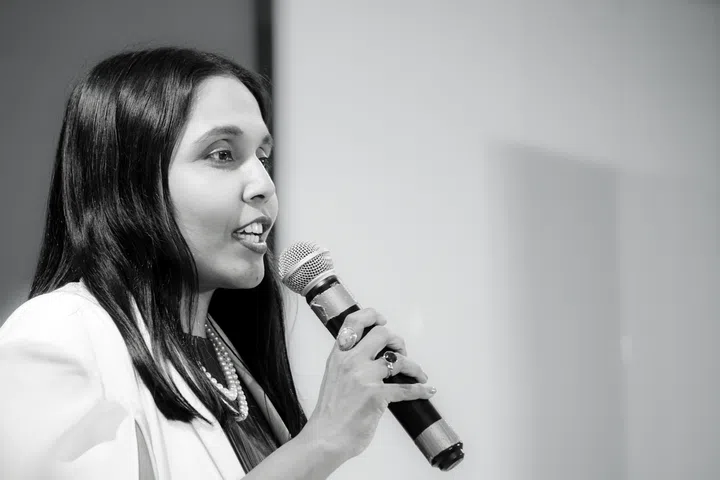
How do your roles as a coach, Megha Singh Consultancy founder, and CEO of Launchpad come together?
Launchpad is about community—being surrounded by people on the same journey. Entrepreneurship is lonely at every stage, but especially early on, when you’re also lacking knowledge and experience.
Coaching is deeper and more intensive work. Some founders are in both Launchpad and my coaching programmes because they need both: a supportive community and structured, personalised support.
As businesses grow, founders realise where they’re struggling—whether it’s mindset, execution, sales, or confidence—and that’s often when they move into group or one-on-one coaching programmes.
Launchpad gives founders connection, learning, and real business outcomes. Many members get their first clients, repeat clients, and tangible ROI from being part of the community. Coaching, on the other hand, focuses more on mindset shifts, execution support, and guiding founders as they implement, rather than just giving them strategy.
You work closely with female founders both as a coach and as CEO of Launchpad. What challenges have you noticed that they often face?
For more seasoned founders, managing people is one of the biggest challenges. Moving from doing everything yourself to building a team requires systems, not just for people management, but for customer service, sales, leads management, delivery and more.
Money mindset is probably the biggest issue I work on with female founders. This isn’t about accounting and investing—I bring experts in for that—but about addressing fear and avoidance around money.
I’ve had founders making half a million dollars in annual revenue who still aren’t paying themselves a salary because they’re not looking at their numbers. When we look closer, they often have unnecessary costs they could cut, which would allow them to draw a proper salary.
Why do you think women struggle so much with money conversations?
There’s a deep fear around money. Some people are scared of numbers in general, but for women there’s also conditioning.
I was once at a networking event surrounded by men I didn’t know and who didn’t know each other, and within five minutes they were openly talking about money and investments. Women, on the other hand, will talk about everything except money. They’ll be open about health, relationships, children and family issues, but money feels taboo.
We’re conditioned to think that talking about money isn’t proper, that being money-minded is a bad thing. Many women feel judged for it.
Historically, women also haven’t managed their own money for very long—just a few decades. Bank accounts, home ownership, earning independently—all of this is a relatively recent phenomena for women. And across cultures, not just in Asia, we’re told not to talk about money.
Many women say they want to make money to create impact. And that’s great. But it’s also okay to want to make money simply because you want more money. There are very few safe spaces where women can say that openly without being judged.
Before Launchpad, I used to organise money meetups for women. I was also on The Forties Formula podcast last year talking about money mindset and confidence, and it became one of their top five most-watched episodes in 2025. That response shows how much this topic resonates with women.
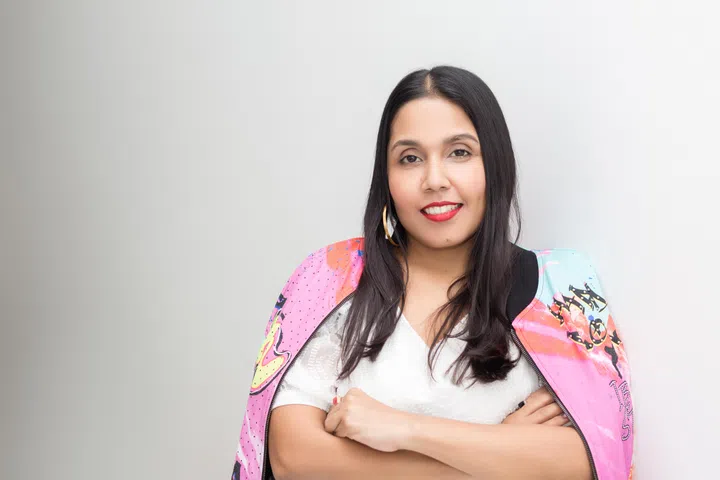
What uniquely holds women back from scaling their businesses?
Women are particularly hesitant to ask for help and to invest in themselves. They might be earning consistently and well, but when it comes to investing in coaching or community, that’s when hesitation sets in.
Many wouldn’t think twice about spending that money on their children, or even on a bag or a dress, but investing in themselves feels harder to justify.
The drop-off in the number of women who run businesses from five-figure to six-figure and seven-figure isn’t about capability. It’s about support, confidence, and having the right structures in place early enough.
This year in February, you’re launching the Makers & Shapers Awards. Can you tell us more?
Rebecca [Downie] and I started this initiative out of simmering frustration. Most awards have become popularity contests or pay-to-play. We wanted to return to the essence of what awards should be—genuine recognition. There are also no awards exclusively for female founders in Singapore.
Makers & Shapers is merit-based, judged by people with real experience and expertise. There’s no payment required, and it’s not about who can get the most votes.
We focus on female founders in the first five years of their journey who are building meaningful, innovative businesses and creating impact, even if they’re still small. There’s so much good work happening that people don’t see. This is about shining a light on such amazing women.
The awards are open to all female founders of Singapore-registered businesses. It’s meant to be inclusive, not insular.
What do people most misunderstand about what you do?
Many people still don’t fully understand what business coaching is, especially for non-tech entrepreneurs and SMEs.
In Singapore, coaching is more widely understood. In other places, people still ask, “What is coaching? Do you just talk to them and get paid for it?” This lack of understanding takes time to shift, but happily, it’s changing.