%22%3E%3Cpath%20fill%3D%22%23000%22%20d%3D%22M79.702%2078.555c0%2033.03%2018.767%2046.361%2035.801%2046.361%2014.149%200%2029.738-7.033%2034.505-28.595l-1.445-.306c-3.61%2015.903-14.005%2027.371-33.06%2027.371-13.86%200-13.716-22.173-13.716-41.594V67.415h49.662c0-23.393-13.136-40.674-35.946-40.674-17.034%200-35.801%2018.94-35.801%2051.814m35.801-50.283c14.437%200%2014.005%2026.455%2013.861%2037.617h-27.573c-.004-18.353.865-37.617%2013.712-37.617%22%2F%3E%3C%2Fg%3E%3Cmask%20id%3D%22b%22%20width%3D%22603%22%20height%3D%22126%22%20x%3D%220%22%20y%3D%220%22%20maskUnits%3D%22userSpaceOnUse%22%20style%3D%22mask-type%3Aluminance%22%3E%3Cpath%20fill%3D%22%23fff%22%20d%3D%22M602.5%200H.5v125.074h602z%22%2F%3E%3C%2Fmask%3E%3Cg%20mask%3D%22url(%23b)%22%3E%3Cpath%20fill%3D%22%23000%22%20d%3D%22M86.81%20105.474h-1.445c0%2010.547-4.475%2011.463-5.483%2011.463-2.454%200-4.475-3.514-4.475-11.921V48.264c0-14.83-10.826-21.558-22.229-21.558-10.97%200-22.66%206.118-25.983%2017.276V8.478c-.515-4.763-4.26-8.48-8.893-8.48H.522v1.53H.5c2.886%200%204.763%201.988%204.763%205.045v110.211c0%203.057-1.877%205.045-4.763%205.045h.022v1.531h31.423v-1.531h.021c-2.885%200-4.762-1.988-4.762-5.045V50.252c0-10.395%208.949-18.806%2016.31-18.806%205.338%200%209.813%204.13%209.813%2014.83v58.74c0%2013.909%207.796%2019.874%2016.165%2019.874%209.958.005%2017.318-6.418%2017.318-19.416%22%2F%3E%3C%2Fg%3E%3Cmask%20id%3D%22c%22%20width%3D%22603%22%20height%3D%22126%22%20x%3D%220%22%20y%3D%220%22%20maskUnits%3D%22userSpaceOnUse%22%20style%3D%22mask-type%3Aluminance%22%3E%3Cpath%20fill%3D%22%23fff%22%20d%3D%22M602.5%200H.5v125.074h602z%22%2F%3E%3C%2Fmask%3E%3Cg%20mask%3D%22url(%23c)%22%3E%3Cpath%20fill%3D%22%23000%22%20d%3D%22M225.911%2042.197c0-10.552-11.259-16.818-22.954-16.818-10.682%200-21.513%205.045-25.119%2016.975v-7.352c-.48-4.574-3.977-8.148-8.364-8.398h-18.322v1.53h-.022c2.886%200%204.763%201.99%204.763%205.046v81.371h.004c.293%204.814%203.942%208.633%208.509%208.846v.004h18.173v-1.53h.022c-2.886%200-4.763-1.989-4.763-5.045V48.62c0-10.552%209.094-19.269%2016.602-19.269%204.763%200%208.805%203.672%209.386%2012.693%200%206.881%204.619%2011.773%2011.119%2011.773%206.631%200%2010.966-4.587%2010.966-11.62%22%2F%3E%3C%2Fg%3E%3Cmask%20id%3D%22d%22%20width%3D%22603%22%20height%3D%22126%22%20x%3D%220%22%20y%3D%220%22%20maskUnits%3D%22userSpaceOnUse%22%20style%3D%22mask-type%3Aluminance%22%3E%3Cpath%20fill%3D%22%23fff%22%20d%3D%22M602.5%200H.5v125.074h602z%22%2F%3E%3C%2Fmask%3E%3Cg%20mask%3D%22url(%23d)%22%3E%3Cpath%20fill%3D%22%23000%22%20d%3D%22M234.434%2028.315c2.925%200%205.583%202.312%206.779%205.863l29.782%2089.218h1.597l20.61-61.852%2020.609%2061.852h1.598l29.781-89.218c1.196-3.556%203.855-5.863%206.78-5.863h.183v-1.776h-11.538v1.776h.184c2.925%200%203.99%202.312%202.794%205.863l-18.082%2054.209-18.082-54.209c-1.196-3.556-.131-5.863%202.794-5.863h.183v-1.776h-33.343v1.776h.183c2.925%200%205.583%202.312%206.78%205.863l8.373%2025.058-9.705%2029.15-18.082-54.208c-1.196-3.556-.131-5.863%202.794-5.863h.184v-1.776h-33.344v1.776z%22%2F%3E%3C%2Fg%3E%3Cmask%20id%3D%22e%22%20width%3D%22603%22%20height%3D%22126%22%20x%3D%220%22%20y%3D%220%22%20maskUnits%3D%22userSpaceOnUse%22%20style%3D%22mask-type%3Aluminance%22%3E%3Cpath%20fill%3D%22%23fff%22%20d%3D%22M602.5%200H.5v125.074h602z%22%2F%3E%3C%2Fmask%3E%3Cg%20mask%3D%22url(%23e)%22%3E%3Cpath%20fill%3D%22%23000%22%20d%3D%22M377.826%20124.491c17.034%200%2038.211-15.699%2038.211-48.882%200-33.03-21.177-48.73-38.211-48.73-17.035%200-38.067%2015.857-38.067%2048.73.004%2033.026%2021.032%2048.882%2038.067%2048.882m0-96.085c13.86%200%2016.121%2028.24%2016.121%2047.356%200%2019.116-2.261%2047.198-16.121%2047.198-13.861%200-15.978-27.777-15.978-47.198%200-19.422%202.122-47.356%2015.978-47.356%22%2F%3E%3C%2Fg%3E%3Cmask%20id%3D%22f%22%20width%3D%22603%22%20height%3D%22126%22%20x%3D%220%22%20y%3D%220%22%20maskUnits%3D%22userSpaceOnUse%22%20style%3D%22mask-type%3Aluminance%22%3E%3Cpath%20fill%3D%22%23fff%22%20d%3D%22M602.5%200H.5v125.074h602z%22%2F%3E%3C%2Fmask%3E%3Cg%20mask%3D%22url(%23f)%22%3E%3Cpath%20fill%3D%22%23000%22%20d%3D%22M490.482%2042.197c0-10.552-11.258-16.818-22.953-16.818-10.683%200-21.513%205.045-25.119%2016.975v-7.352c-.48-4.574-3.977-8.148-8.365-8.398h-18.326v1.53h-.022c2.886%200%204.763%201.99%204.763%205.046v81.371h.004c.293%204.814%203.943%208.633%208.509%208.846v.004h18.173v-1.53h.022c-2.885%200-4.763-1.989-4.763-5.045V48.62c0-10.552%209.094-19.269%2016.602-19.269%204.763%200%208.806%203.672%209.386%2012.693%200%206.881%204.619%2011.773%2011.119%2011.773%206.64%200%2010.97-4.587%2010.97-11.62%22%2F%3E%3C%2Fg%3E%3Cmask%20id%3D%22g%22%20width%3D%22603%22%20height%3D%22126%22%20x%3D%220%22%20y%3D%220%22%20maskUnits%3D%22userSpaceOnUse%22%20style%3D%22mask-type%3Aluminance%22%3E%3Cpath%20fill%3D%22%23fff%22%20d%3D%22M602.5%200H.5v125.074h602z%22%2F%3E%3C%2Fmask%3E%3Cg%20mask%3D%22url(%23g)%22%3E%3Cpath%20fill%3D%22%23000%22%20d%3D%22M602.5%20103.974h-1.445c0%2010.553-4.474%2011.468-5.483%2011.468-2.453%200-4.474-3.519-4.474-11.925V6.585c0-3.056%201.877-5.045%204.762-5.045h-.166V.01h-17.715c-4.942%200-8.953%204.24-8.962%209.475h-.009v23.333c-6.063-3.977-9.84-5.503-16.48-5.503-17.034%200-35.801%2014.169-35.801%2047.046%200%2033.183%2013.101%2050.718%2035.801%2050.718%208.085%200%2013.302-2.294%2019.942-8.254%203.03%204.587%207.797%206.575%2012.704%206.575%209.966-.004%2017.326-6.427%2017.326-19.426m-30.75%2011.625c-4.763%204.435-10.84%205.822-13.38%205.822-11.482%200-19.558-16.933-19.558-46.907%200-29.97%2010.914-43.222%2019.885-43.222%203.3%200%206.264.153%2010.307%203.057v69.172c.004%205.04%201.017%209.017%202.746%2012.078%22%2F%3E%3C%2Fg%3E%3Cmask%20id%3D%22h%22%20width%3D%22603%22%20height%3D%22126%22%20x%3D%220%22%20y%3D%220%22%20maskUnits%3D%22userSpaceOnUse%22%20style%3D%22mask-type%3Aluminance%22%3E%3Cpath%20fill%3D%22%23fff%22%20d%3D%22M602.5%200H.5v125.074h602z%22%2F%3E%3C%2Fmask%3E%3Cg%20mask%3D%22url(%23h)%22%3E%3Cpath%20fill%3D%22%23000%22%20d%3D%22M516.984%20121.865c-2.885%200-4.763-1.988-4.763-5.045V9.466C512.2%204.241%20508.196.01%20503.259.01h-17.724v1.53h-.022c2.89%200%204.763%201.989%204.763%205.045v108.418c.515%204.564%204.029%208.129%208.434%208.337v.06h18.252v-1.53h.022z%22%2F%3E%3C%2Fg%3E%3C%2Fsvg%3E)
Career Confessions: Best Haputpong’s journey from corporate fast track to digital lock startup success
From changing bedsheets in Airbnb rentals to setting up Igloohome’s US business in Austin, Best Haputpong reflects on impatience, pivots, impostor syndrome and a decade of uncertainty
By Karishma Tulsidas -
Share this article
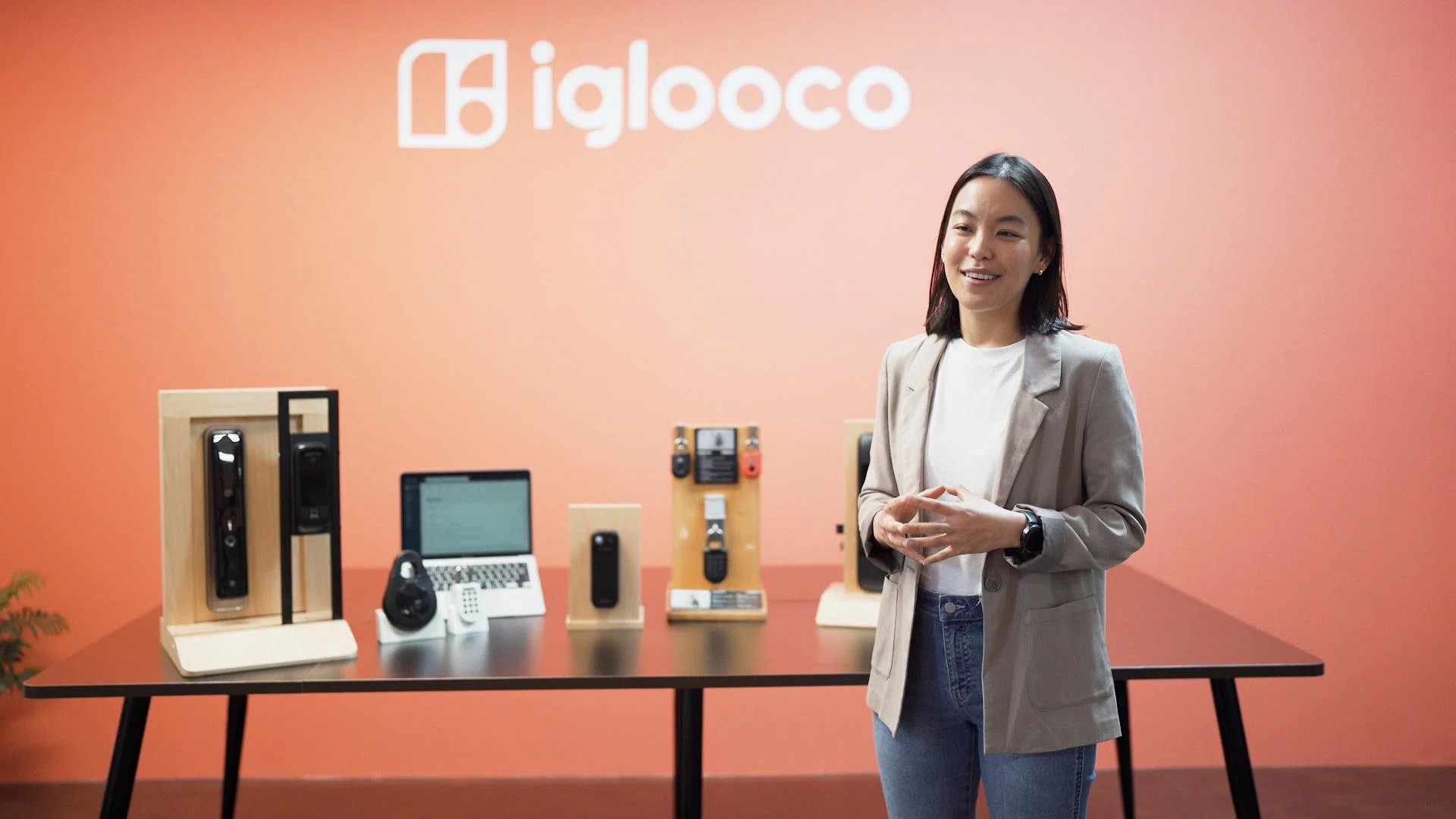
Like many Asian kids, Best Haputpong, VP of Corporate Development of digital lock company Igloo grew up being told there was only one sensible way to succeed: study hard and land a “proper” corporate job. So she packed her bags in Bangkok, moved to Singapore on a scholarship and did exactly what was expected of her.
But even then, she knew she was restless.
“I’ve always had this impatient streak,” she says. “When I graduated in 2008, I started seeing the trend of technology transforming the way we live, but I didn’t want to break my parents’ hearts by going straight into a startup. So I decided to join big tech, and that’s when IBM came about.”
IBM, she admits, made sense on paper. It kept her close to technology while offering the structure and credibility of a large organisation. She learnt discipline, scale, and how big companies operate. HSBC followed, where she worked as a product manager on e-commerce and mobile banking products.
And then reality hit. “I was absolutely not the right fit,” she says.
Around the same time, she began hearing about a small startup in Singapore. Two engineers —Anthony Chow, CEO, and Kelvin Ho, CTO, of Igloo—were trying to solve problems in the Airbnb and property-rental space. “At that point, they were very technical engineers trying to build something, and Anthony had a strong commercial background—he could sell. I think they were looking for a go-to-market partner and a separate pair of eyes to help set things up.”
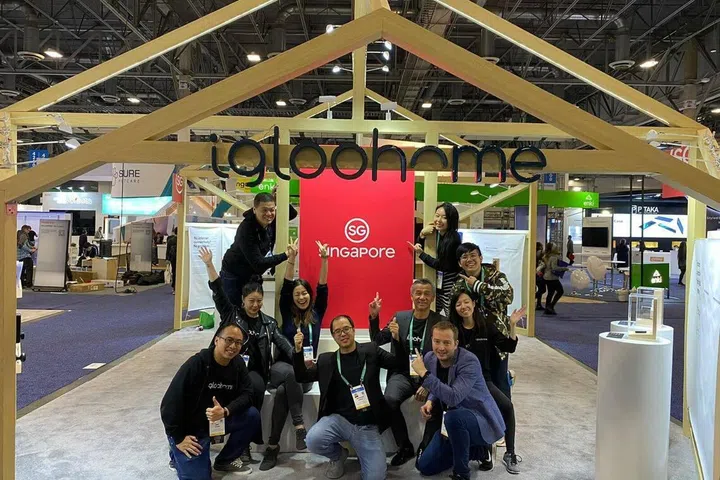
This was the height of the startup boom, when everyone believed their idea might be the next unicorn. But what caught Best’s attention wasn’t the hype; it was the fact that they were solving a problem that was common in her network.
Friends and family were plugging into the short-term rental eco-system, but were having issues dealing with access, keys, handover, and unreliable Wi-Fi. “I saw it firsthand,” she says. “We were an extraordinarily small team, trying to solve this problem. We had a lot of clarity, a lot of hypotheticals.”
She flew to Singapore, thinking it would be a short visit. It wasn’t. What was meant to be a two-day trip turned into three months. The team worked out of an Airbnb rental that doubled as their headquarters, managing short-term stays across the city. Best found herself doing everything—changing bedsheets, resetting routers, assembling Ikea furniture, managing check-ins and turnovers.
“It never felt like anyone was anyone’s boss,” she says. “We were all just in it together.”
At the time, Igloohome wasn’t a hardware company at all. They were operating Airbnb rentals themselves, using real properties to understand what actually broke at scale.
And then, just as quickly as they had started, the Singapore government announced a clampdown on short-term rentals.
“That was an existential moment,” Best recalls. “We had to ask ourselves: what do we keep?”
The answer was access. If you couldn’t reliably let someone in and out of a property, nothing else mattered. Utilities, cleaning, automation—all of it was secondary. Physical access was the real bottleneck.
That realisation forced a pivot that would define the company’s future: offline digital locks that didn’t rely on connectivity.
Ten years on, Igloohome has grown from strength to strength. Now with 70 per cent of its business operating in the US, the company has expanded from being a digital lock brand to one looking to solve real estate pain points globally.
Best tells us about her career from corporate to startup, and why moving to Austin to set up the business was an express MBA course.
Name: Best Haputpong
Highest Education: BA(Science) in Economics and Law
Job Title & Industry: Vice president, corporate development
Years of Work Experience: Around 13 years
What were those first days when you first joined Igloo like?
In those first three months, everyone did everything. I don’t know how many bedsheets I changed or how much IKEA furniture I assembled while flipping properties.
We lived and worked in the same space where guests were staying, so we knew exactly what the problems were.
What we were trying to prove was how technology could solve the problems Airbnb hosts face. At one point, we were managing around 20 properties. I was running the rental business day to day.
We started introducing different technologies—air-con control, internet control, noise detection, smart locks. And then when the Singapore government announced the clampdown on Airbnb, we had to let that business go.
That’s why, even today, when people ask why we don’t design something online, I say there are plenty of online options out there. You can go to company A or B. We chose to stay extremely focused on what we do. Because if you rely on devices to run your business and they fail, you end up sending people down physically. That completely kills the remote-property business model.
Being able to define the problem clearly is the first step.
What have been some of your proudest moments so far?
The first market where this really clicked was the US. In 2020, right after travel restrictions were lifted in Singapore, we got on a plane and set up an office in Austin.
I spent the next two years mostly in and out of Austin and Singapore, but largely there. The US went from about 15 per cent of our business to around 70 per cent today.
A lot of my wins have been in those zero-to-one phases. Once you get to one-to-ten, and then ten-to-a-hundred, there are many competent people you can pass the baton to. But zero-to-one and one-to-ten need conviction and someone on the inside driving it — because you get rejected a lot.
You mentioned that the person you were when you joined and the person you are today are completely different. How do you think you’ve changed in the past 10 years?
We had the energy to test everything. People trusted us enough to give us money to experiment.
Today, we’re no longer just a small group. We’re an organisation with distributors and partners. Everything you do or say has more impact.
Now, maybe only 20 per cent of what I think gets said. I still ideate—Anthony and I still do that—but when we’re in front of the team, I’m more deliberate.
I’d say I’m better at articulating direction and de-prioritising ideas that might be interesting but not right to pursue.
What was it like moving to Austin and operating in the US?
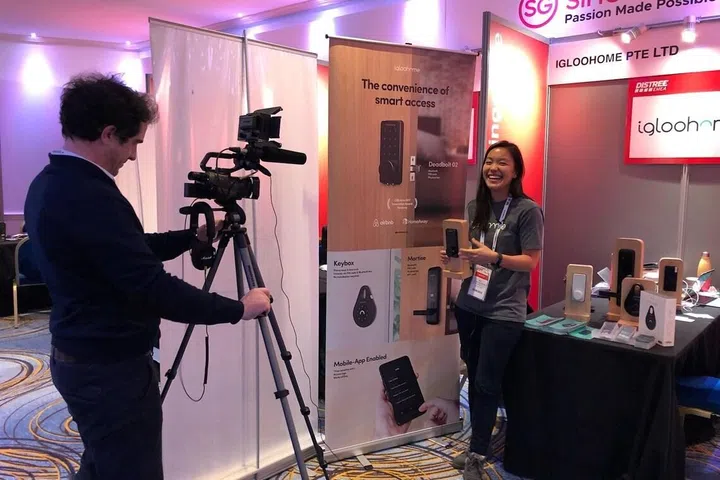
When we went to the US, it wasn’t our first time in that market—we had attended trade shows and spoken to distributors before. But incorporating and setting up was different.
We raised capital to go there and had a two-year roadmap to execute. We underestimated how niche our solution was. From Singapore, the wins made us think we had strong product-market fit. Once we were there, we realised we needed to step back, rebuild parts of the product, and fill gaps. We couldn’t hit the ground running. We also had to go through layoffs because we expanded too optimistically. We brought in experienced veterans from the access industry, and suddenly I felt like a kid being scrutinised by my own employees. They expected processes we didn’t yet have.

On top of that, I was far from home. Anthony was travelling in and out because it was still COVID and he had to keep the Singapore business afloat. That split our support system. It was the hardest period—trying to win without full product-market fit, while keeping experienced hires believing in what we were building.
Culturally, selling is very different everywhere. In the US, people buy fast and decide later. In Asia, people think, add to cart, and come back. In the US, face time matters. Relationship building matters. I even started watching NFL just to have conversations on Monday calls. It really was an express MBA.
None of it could have happened without the Singapore team and the people in the US who bet on us early and are still with us today.
How do you deal with the instability and uncertainty of being in a startup?
It’s challenging. In my twenties, I thought, life has just started — I’ll fix it later. Now in my thirties, there are moments where you question whether you’re where you should be.
But when I take a step back on bad days—worrying about payroll or supplier payments—I think about what we’ve built. We’re a physical product that people experience daily. Many businesses make money on top of our product.
Millions of people interact with Igloo regularly. When I remember that, and see that people still buy our products and believe in what we’re solving, that’s what keeps me going.