%22%3E%3Cpath%20fill%3D%22%23000%22%20d%3D%22M79.702%2078.555c0%2033.03%2018.767%2046.361%2035.801%2046.361%2014.149%200%2029.738-7.033%2034.505-28.595l-1.445-.306c-3.61%2015.903-14.005%2027.371-33.06%2027.371-13.86%200-13.716-22.173-13.716-41.594V67.415h49.662c0-23.393-13.136-40.674-35.946-40.674-17.034%200-35.801%2018.94-35.801%2051.814m35.801-50.283c14.437%200%2014.005%2026.455%2013.861%2037.617h-27.573c-.004-18.353.865-37.617%2013.712-37.617%22%2F%3E%3C%2Fg%3E%3Cmask%20id%3D%22b%22%20width%3D%22603%22%20height%3D%22126%22%20x%3D%220%22%20y%3D%220%22%20maskUnits%3D%22userSpaceOnUse%22%20style%3D%22mask-type%3Aluminance%22%3E%3Cpath%20fill%3D%22%23fff%22%20d%3D%22M602.5%200H.5v125.074h602z%22%2F%3E%3C%2Fmask%3E%3Cg%20mask%3D%22url(%23b)%22%3E%3Cpath%20fill%3D%22%23000%22%20d%3D%22M86.81%20105.474h-1.445c0%2010.547-4.475%2011.463-5.483%2011.463-2.454%200-4.475-3.514-4.475-11.921V48.264c0-14.83-10.826-21.558-22.229-21.558-10.97%200-22.66%206.118-25.983%2017.276V8.478c-.515-4.763-4.26-8.48-8.893-8.48H.522v1.53H.5c2.886%200%204.763%201.988%204.763%205.045v110.211c0%203.057-1.877%205.045-4.763%205.045h.022v1.531h31.423v-1.531h.021c-2.885%200-4.762-1.988-4.762-5.045V50.252c0-10.395%208.949-18.806%2016.31-18.806%205.338%200%209.813%204.13%209.813%2014.83v58.74c0%2013.909%207.796%2019.874%2016.165%2019.874%209.958.005%2017.318-6.418%2017.318-19.416%22%2F%3E%3C%2Fg%3E%3Cmask%20id%3D%22c%22%20width%3D%22603%22%20height%3D%22126%22%20x%3D%220%22%20y%3D%220%22%20maskUnits%3D%22userSpaceOnUse%22%20style%3D%22mask-type%3Aluminance%22%3E%3Cpath%20fill%3D%22%23fff%22%20d%3D%22M602.5%200H.5v125.074h602z%22%2F%3E%3C%2Fmask%3E%3Cg%20mask%3D%22url(%23c)%22%3E%3Cpath%20fill%3D%22%23000%22%20d%3D%22M225.911%2042.197c0-10.552-11.259-16.818-22.954-16.818-10.682%200-21.513%205.045-25.119%2016.975v-7.352c-.48-4.574-3.977-8.148-8.364-8.398h-18.322v1.53h-.022c2.886%200%204.763%201.99%204.763%205.046v81.371h.004c.293%204.814%203.942%208.633%208.509%208.846v.004h18.173v-1.53h.022c-2.886%200-4.763-1.989-4.763-5.045V48.62c0-10.552%209.094-19.269%2016.602-19.269%204.763%200%208.805%203.672%209.386%2012.693%200%206.881%204.619%2011.773%2011.119%2011.773%206.631%200%2010.966-4.587%2010.966-11.62%22%2F%3E%3C%2Fg%3E%3Cmask%20id%3D%22d%22%20width%3D%22603%22%20height%3D%22126%22%20x%3D%220%22%20y%3D%220%22%20maskUnits%3D%22userSpaceOnUse%22%20style%3D%22mask-type%3Aluminance%22%3E%3Cpath%20fill%3D%22%23fff%22%20d%3D%22M602.5%200H.5v125.074h602z%22%2F%3E%3C%2Fmask%3E%3Cg%20mask%3D%22url(%23d)%22%3E%3Cpath%20fill%3D%22%23000%22%20d%3D%22M234.434%2028.315c2.925%200%205.583%202.312%206.779%205.863l29.782%2089.218h1.597l20.61-61.852%2020.609%2061.852h1.598l29.781-89.218c1.196-3.556%203.855-5.863%206.78-5.863h.183v-1.776h-11.538v1.776h.184c2.925%200%203.99%202.312%202.794%205.863l-18.082%2054.209-18.082-54.209c-1.196-3.556-.131-5.863%202.794-5.863h.183v-1.776h-33.343v1.776h.183c2.925%200%205.583%202.312%206.78%205.863l8.373%2025.058-9.705%2029.15-18.082-54.208c-1.196-3.556-.131-5.863%202.794-5.863h.184v-1.776h-33.344v1.776z%22%2F%3E%3C%2Fg%3E%3Cmask%20id%3D%22e%22%20width%3D%22603%22%20height%3D%22126%22%20x%3D%220%22%20y%3D%220%22%20maskUnits%3D%22userSpaceOnUse%22%20style%3D%22mask-type%3Aluminance%22%3E%3Cpath%20fill%3D%22%23fff%22%20d%3D%22M602.5%200H.5v125.074h602z%22%2F%3E%3C%2Fmask%3E%3Cg%20mask%3D%22url(%23e)%22%3E%3Cpath%20fill%3D%22%23000%22%20d%3D%22M377.826%20124.491c17.034%200%2038.211-15.699%2038.211-48.882%200-33.03-21.177-48.73-38.211-48.73-17.035%200-38.067%2015.857-38.067%2048.73.004%2033.026%2021.032%2048.882%2038.067%2048.882m0-96.085c13.86%200%2016.121%2028.24%2016.121%2047.356%200%2019.116-2.261%2047.198-16.121%2047.198-13.861%200-15.978-27.777-15.978-47.198%200-19.422%202.122-47.356%2015.978-47.356%22%2F%3E%3C%2Fg%3E%3Cmask%20id%3D%22f%22%20width%3D%22603%22%20height%3D%22126%22%20x%3D%220%22%20y%3D%220%22%20maskUnits%3D%22userSpaceOnUse%22%20style%3D%22mask-type%3Aluminance%22%3E%3Cpath%20fill%3D%22%23fff%22%20d%3D%22M602.5%200H.5v125.074h602z%22%2F%3E%3C%2Fmask%3E%3Cg%20mask%3D%22url(%23f)%22%3E%3Cpath%20fill%3D%22%23000%22%20d%3D%22M490.482%2042.197c0-10.552-11.258-16.818-22.953-16.818-10.683%200-21.513%205.045-25.119%2016.975v-7.352c-.48-4.574-3.977-8.148-8.365-8.398h-18.326v1.53h-.022c2.886%200%204.763%201.99%204.763%205.046v81.371h.004c.293%204.814%203.943%208.633%208.509%208.846v.004h18.173v-1.53h.022c-2.885%200-4.763-1.989-4.763-5.045V48.62c0-10.552%209.094-19.269%2016.602-19.269%204.763%200%208.806%203.672%209.386%2012.693%200%206.881%204.619%2011.773%2011.119%2011.773%206.64%200%2010.97-4.587%2010.97-11.62%22%2F%3E%3C%2Fg%3E%3Cmask%20id%3D%22g%22%20width%3D%22603%22%20height%3D%22126%22%20x%3D%220%22%20y%3D%220%22%20maskUnits%3D%22userSpaceOnUse%22%20style%3D%22mask-type%3Aluminance%22%3E%3Cpath%20fill%3D%22%23fff%22%20d%3D%22M602.5%200H.5v125.074h602z%22%2F%3E%3C%2Fmask%3E%3Cg%20mask%3D%22url(%23g)%22%3E%3Cpath%20fill%3D%22%23000%22%20d%3D%22M602.5%20103.974h-1.445c0%2010.553-4.474%2011.468-5.483%2011.468-2.453%200-4.474-3.519-4.474-11.925V6.585c0-3.056%201.877-5.045%204.762-5.045h-.166V.01h-17.715c-4.942%200-8.953%204.24-8.962%209.475h-.009v23.333c-6.063-3.977-9.84-5.503-16.48-5.503-17.034%200-35.801%2014.169-35.801%2047.046%200%2033.183%2013.101%2050.718%2035.801%2050.718%208.085%200%2013.302-2.294%2019.942-8.254%203.03%204.587%207.797%206.575%2012.704%206.575%209.966-.004%2017.326-6.427%2017.326-19.426m-30.75%2011.625c-4.763%204.435-10.84%205.822-13.38%205.822-11.482%200-19.558-16.933-19.558-46.907%200-29.97%2010.914-43.222%2019.885-43.222%203.3%200%206.264.153%2010.307%203.057v69.172c.004%205.04%201.017%209.017%202.746%2012.078%22%2F%3E%3C%2Fg%3E%3Cmask%20id%3D%22h%22%20width%3D%22603%22%20height%3D%22126%22%20x%3D%220%22%20y%3D%220%22%20maskUnits%3D%22userSpaceOnUse%22%20style%3D%22mask-type%3Aluminance%22%3E%3Cpath%20fill%3D%22%23fff%22%20d%3D%22M602.5%200H.5v125.074h602z%22%2F%3E%3C%2Fmask%3E%3Cg%20mask%3D%22url(%23h)%22%3E%3Cpath%20fill%3D%22%23000%22%20d%3D%22M516.984%20121.865c-2.885%200-4.763-1.988-4.763-5.045V9.466C512.2%204.241%20508.196.01%20503.259.01h-17.724v1.53h-.022c2.89%200%204.763%201.989%204.763%205.045v108.418c.515%204.564%204.029%208.129%208.434%208.337v.06h18.252v-1.53h.022z%22%2F%3E%3C%2Fg%3E%3C%2Fsvg%3E)
Why your cardio isn’t making you stronger. The truth about fitness for women
Wondering why you don’t seem to be building strength despite working out regularly? Cardio alone just isn’t going to cut it, says transformation coach Rohini Rao
By Cheryl Chan -
For decades, women have followed health and fitness rules designed around male bodies—rules that quietly stop working as our physiology changes. In this column Fitness, Rewritten, transformation coach Rohini Rao decodes fitness, hormones and recovery for women in their 20s, 30s, 40s and beyond. Drawing from over 15 years of training women across life stages, as well as her own experience of perimenopause and menopause, she unpacks what’s actually happening in our bodies, translating the science behind hormones, recovery and ageing into practical, sustainable strategies for women
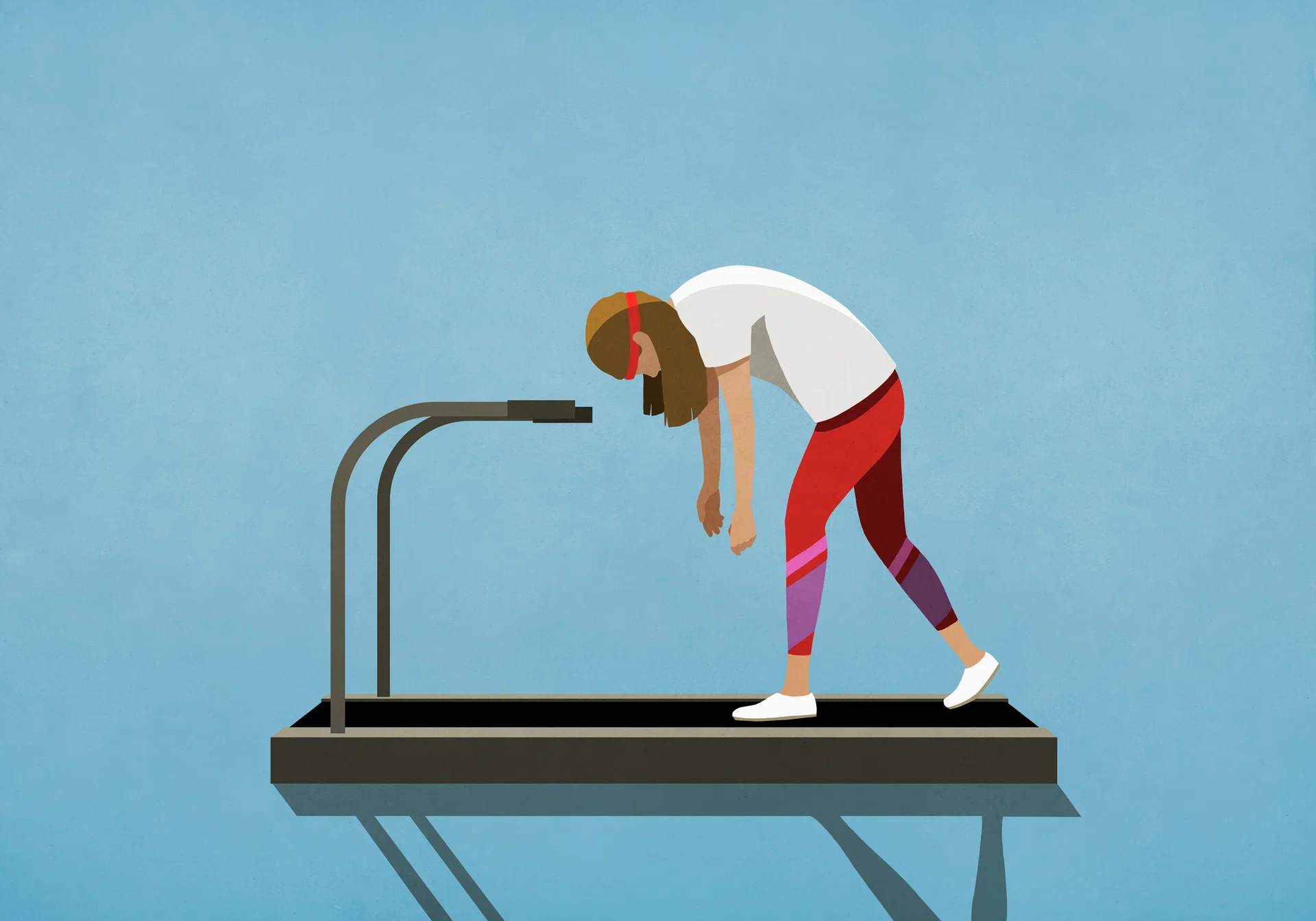
For years, women have been told that a good workout has to leave you drenched in sweat, gasping for air, and chasing a specific number on a calorie tracker. If you were not completely exhausted by the end of a session, it somehow did not count.
I know because I used to think that too.
But after working with hundreds of women, I have realised that the fitness industry has sold us a lie. What most of us are actually chasing is not just a lower number on the scale. We want shape, definition, confidence, and a body that feels capable. Achieving that requires shifting our focus to something many women are still afraid of: building muscle.
The “Bulky” Myth
The single biggest hesitation I hear from women when we talk about lifting weights is, “I don’t want to lift heavy because I don’t want to get bulky.”
Let us clear that up right now: You will not wake up looking like an accidental bodybuilder. Building massive amounts of muscle mass requires a specific hormonal profile, which is heavily reliant on high levels of testosterone, and which women naturally lack. To actually build that kind of size, you would need years of hyper-specific training, a deliberate and massive caloric surplus, and extreme genetic dedication.
What lifting weights actually does for the average woman is create a firmer, tighter, and more defined physique. That toned look so many women point to in goal photos is not the absence of fat; it is the presence of muscle underneath the skin. When you build muscle, you are creating the scaffolding that holds everything together, giving your body structure and shape.
The running trap and cortisol
This is exactly why hours of jogging or endless cardio sessions often end in deep frustration.
Cardio is wonderful for your cardiovascular health and your endurance. However, chronic, excessive cardio also acts as a major stressor on the body. When you push through hours of gruelling, repetitive cardio, your body responds by spiking cortisol, the primary stress hormone. When cortisol levels stay elevated for too long, they can signal your body to protect itself by storing stubborn fat around your abdomen.
Furthermore, cardio alone does virtually nothing to build the muscle tissue that changes the shape of your body. If you do not have a foundation of muscle mass to begin with, simply running and losing weight will not magically create definition.
The “skinny fat” reality
Instead, you end up facing a frustrating phenomenon often referred to as being skinny fat. This happens when you drop weight on the scale, but your overall body composition remains the same. You carry a higher percentage of body fat relative to your lean muscle tissue.
You might fit into a smaller clothing size, but you are left feeling soft, lacking physical definition, and wondering why all that effort is not paying off. The truth is simple: you cannot define a muscle that is not there. Muscle is what creates curves, lifts your glutes, shapes your shoulders, and supports your posture.
The biological insurance policy
Building muscle in your twenties and thirties is not just about aesthetics, it is an essential insurance policy for your future. Starting around age thirty, we naturally begin to lose muscle mass and bone density. By prioritizing strength training now, you build higher peak bone mass and a metabolic engine that keeps your joints protected, your posture upright, and your independence intact as you age. It is much easier to build a strong foundation today than it is to try and rebuild it twenty years down the line.
Setting up a smarter workout routine
A highly effective routine does not mean abandoning cardio entirely, nor does it require living in the gym. For most women, a balanced approach looks like three strength sessions and one to two cardio or active recovery days per week.
Your strength training should focus on compound movements like squats, lunges, presses, and rows, which recruit multiple muscle groups at once. If you are pressed for time, the hour you choose to workout matters far less than your consistency, though working out in the morning or early afternoon can naturally align with your body’s daily cortisol rhythm.
When it comes to cardio, running is far from your only option. Excellent alternatives that are much kinder to your joints and stress levels include swimming, incline walking, rowing, or using the elliptical.
How long and how intense? The magic of zone 2
To keep cortisol in check while reaping all the cardiovascular benefits, keep your cardio sessions between twenty to forty minutes. Anything beyond forty-five minutes of high-intensity work is usually where you start entering the zone of diminishing returns and escalating stress hormones.
The secret weapon for women is Zone 2 cardio. This is low-intensity, steady-state exercise where your heart rate is elevated, but you can still comfortably maintain a conversation. Think of a brisk outdoor walk, an easy swim, or a light spin on a stationary bike.
Zone 2 is incredibly effective because it builds your aerobic engine and teaches your body to burn fat for fuel, all without triggering a massive cortisol spike. It builds your health up rather than tearing your energy down.
Debunking the rep game and cycle syncing
There is a lingering fitness myth that women should lift light weights for high repetitions to tone, while heavy weights and low repetitions are only for building mass. In reality, muscles respond to challenge. To see changes in shape and definition, you must lift a weight that genuinely challenges you in the eight to twelve repetition range. If you can easily breeze through twenty repetitions without feeling fatigued, the weight is too light to signal your body to change.
You might also have heard a lot about cycle syncing, which is the practice of matching your workouts to the phases of your menstrual cycle. While it is true that energy levels fluctuate throughout the month, you do not need a completely different workout plan for every week. A simpler, more practical approach is to listen to your body. Push a little harder during the first two weeks of your cycle when estrogen is higher, and give yourself permission to lower the intensity or choose a low-impact swim or Zone 2 walk during the week before your period when your body naturally requires more recovery.
Working smarter, not harder
Many women are already managing demanding careers, social lives, poor sleep, and everyday anxieties. Punishing your body with daily, exhausting workouts just adds fuel to that stress response.
It’s not about more exercise, but better and intelligent exercise.
If you want a body that looks defined and feels powerful, you need to stop chasing the sweat and start chasing the strength. Lift weights to build a foundation of muscle, use cardio as a tool for health rather than punishment, and focus on recovery. Sweat evaporates the second you step into the shower. Strength stays with you, protecting your joints, boosting your metabolism, and keeping you capable for decades to come.