

Share this article
A cough, a laugh or even a dash for the bus – and suddenly, you’ve leaked a little urine. It’s embarrassing, inconvenient and something you might brush off as part of getting older or having children.
In Singapore, about one in four women experience urinary incontinence that persists for a year after childbirth, according to a Singapore General Hospital study.
For some women, it also shows up as a sudden urge to go that makes it hard to reach the toilet in time.
Yet many women dismiss the condition as a normal consequence of childbirth or ageing, says Dr Wendy Teo, consultant obstetrician and gynaecologist at Wendy Women’s Clinic, located at Mount Elizabeth Novena Specialist Centre.
“Women tend to think it’s part of the birthing process, or they dismiss this as normal, so they think, ‘Okay, it’s fine. I can just live with it’,” she observes.
Some wait five to 10 years before seeking help, often only when the problem starts interfering with daily life.
Dr Teo encourages women to raise such concerns with their gynaecologist, regardless of how long they have been experiencing symptoms.
But bladder leakage is just one of several intimate health issues that women may hesitate to discuss. Others, including painful intercourse and menopause-related changes, can also affect their well-being, with different care options available depending on the underlying cause.
Help for bladder leaks
Leaks after childbirth are often linked to a weakened pelvic floor.
A pelvic floor assessment by a doctor can help determine whether muscle weakness is contributing to bladder leaks. For women who leak when coughing or exercising, biofeedback therapy, which uses monitoring devices to help you gain conscious control over normally involuntary bodily functions, could be a first treatment option.
A device such as Emsella, which uses electromagnetic energy to stimulate pelvic floor muscle contractions, may be considered in selected cases after assessment.
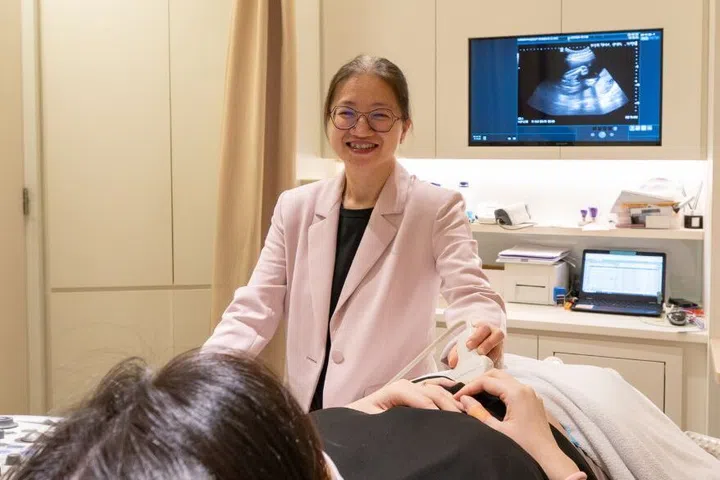
A gynaecological examination can help identify possible causes of intimate health symptoms and guide suitable care options.
Other intimate health concerns women may experience
One possible cause of painful intercourse is vaginismus, a condition where involuntary tightening of the pelvic floor muscles makes vaginal penetration difficult or painful. It can affect intercourse, tampon use and gynaecological examinations.
Teo has encountered women who delayed seeking help for years because of embarrassment, uncertainty about whom to consult or concerns about fertility. One woman with severe vaginismus, for instance, sought help only after the condition began affecting her marriage.
Managing vaginismus may involve a combination of gynaecological assessment, pelvic floor physiotherapy and psychological support, depending on the underlying causes.
Other sexual health concerns include anorgasmia, or difficulty reaching orgasm, which may involve physical, hormonal or psychological factors.
Some women may also notice vaginal laxity, a perceived loss of vaginal tightness that some women experience after childbirth or with ageing.
Depending on the underlying cause, pelvic floor rehabilitation or, in selected cases, surgery such as vaginoplasty may be considered. Energy-based procedures, including vaginal laser and radiofrequency treatments, are also offered for this concern, although evidence of their long-term safety and effectiveness remains limited.
As these conditions may have different underlying causes, Teo emphasises the importance of individual assessment.

From their reproductive years through menopause, women may experience different health concerns that warrant medical attention.
Women’s healthcare needs change with age
The reasons women seek gynaecological care can vary depending on their age, symptoms and individual health needs.
During the reproductive years: Menstrual problems, vaginal infections, endometriosis and fertility concerns may prompt a gynaecological consultation.
During and after pregnancy: Pelvic floor weakness, urinary leakage and abdominal muscle separation (diastasis recti) may affect physical comfort and function. Emotional well-being is also an important part of postnatal care.
During perimenopause and menopause: Hormonal changes can be associated with hot flushes, sleep disturbances, mood changes, vaginal dryness and discomfort during intercourse. Some women also report brain fog.
“If hot flushes keep waking you up or vaginal dryness makes sex uncomfortable, it’s worth bringing up,” says Teo. “We look at which symptoms affect you most and consider your medical history. Hormone therapy may be an option for hot flushes, while vaginal moisturisers or local oestrogen may help with dryness.”
Depending on the condition, management may involve lifestyle changes, medication, physiotherapy or other interventions.
Having cared for women through different stages of life, Teo believes gynaecological care should extend beyond pregnancy and childbirth to address women’s changing physical and emotional health needs. This broader approach also guides the care provided at Wendy Women’s Clinic.
What women can expect when seeking help
At Wendy Women’s Clinic, Dr Wendy Teo starts by asking about symptoms and how they affect daily life.
Depending on the concern, an examination or further tests may be needed to identify possible causes. For pelvic floor concerns, this may include assessing muscle strength and function.
The findings help guide appropriate treatment, which may include medication, physiotherapy or referral to another specialist. Follow-up consultations allow the doctor to monitor progress and adjust the care plan as needed.
Women who feel uncomfortable discussing intimate symptoms with a gynaecologist can begin by speaking with a trusted healthcare professional, who can help direct them to appropriate care.
Recurring urine leakage, pain during intercourse, persistent vaginal discomfort or menopause-related symptoms that affect well-being are all reasons to seek medical advice. Women need not wait until problems become severe, as early assessment can help identify possible causes and suitable care options.
Teo encourages women to speak up about concerns affecting their physical or emotional well-being. “No problem is too small or unimportant. If something bothers you, whether physically, emotionally or mentally, it deserves attention and should not be dismissed.”
For more information on women’s health concerns through different stages of their lives and available care options, visit Wendy Women’s Clinic at or book an appointment via WhatsApp at 9118 9636. The clinic is set to open a new location at Dunearn Village in January 2027, bringing its women’s healthcare services closer to the community.