%22%3E%3Cpath%20fill%3D%22%23000%22%20d%3D%22M79.702%2078.555c0%2033.03%2018.767%2046.361%2035.801%2046.361%2014.149%200%2029.738-7.033%2034.505-28.595l-1.445-.306c-3.61%2015.903-14.005%2027.371-33.06%2027.371-13.86%200-13.716-22.173-13.716-41.594V67.415h49.662c0-23.393-13.136-40.674-35.946-40.674-17.034%200-35.801%2018.94-35.801%2051.814m35.801-50.283c14.437%200%2014.005%2026.455%2013.861%2037.617h-27.573c-.004-18.353.865-37.617%2013.712-37.617%22%2F%3E%3C%2Fg%3E%3Cmask%20id%3D%22b%22%20width%3D%22603%22%20height%3D%22126%22%20x%3D%220%22%20y%3D%220%22%20maskUnits%3D%22userSpaceOnUse%22%20style%3D%22mask-type%3Aluminance%22%3E%3Cpath%20fill%3D%22%23fff%22%20d%3D%22M602.5%200H.5v125.074h602z%22%2F%3E%3C%2Fmask%3E%3Cg%20mask%3D%22url(%23b)%22%3E%3Cpath%20fill%3D%22%23000%22%20d%3D%22M86.81%20105.474h-1.445c0%2010.547-4.475%2011.463-5.483%2011.463-2.454%200-4.475-3.514-4.475-11.921V48.264c0-14.83-10.826-21.558-22.229-21.558-10.97%200-22.66%206.118-25.983%2017.276V8.478c-.515-4.763-4.26-8.48-8.893-8.48H.522v1.53H.5c2.886%200%204.763%201.988%204.763%205.045v110.211c0%203.057-1.877%205.045-4.763%205.045h.022v1.531h31.423v-1.531h.021c-2.885%200-4.762-1.988-4.762-5.045V50.252c0-10.395%208.949-18.806%2016.31-18.806%205.338%200%209.813%204.13%209.813%2014.83v58.74c0%2013.909%207.796%2019.874%2016.165%2019.874%209.958.005%2017.318-6.418%2017.318-19.416%22%2F%3E%3C%2Fg%3E%3Cmask%20id%3D%22c%22%20width%3D%22603%22%20height%3D%22126%22%20x%3D%220%22%20y%3D%220%22%20maskUnits%3D%22userSpaceOnUse%22%20style%3D%22mask-type%3Aluminance%22%3E%3Cpath%20fill%3D%22%23fff%22%20d%3D%22M602.5%200H.5v125.074h602z%22%2F%3E%3C%2Fmask%3E%3Cg%20mask%3D%22url(%23c)%22%3E%3Cpath%20fill%3D%22%23000%22%20d%3D%22M225.911%2042.197c0-10.552-11.259-16.818-22.954-16.818-10.682%200-21.513%205.045-25.119%2016.975v-7.352c-.48-4.574-3.977-8.148-8.364-8.398h-18.322v1.53h-.022c2.886%200%204.763%201.99%204.763%205.046v81.371h.004c.293%204.814%203.942%208.633%208.509%208.846v.004h18.173v-1.53h.022c-2.886%200-4.763-1.989-4.763-5.045V48.62c0-10.552%209.094-19.269%2016.602-19.269%204.763%200%208.805%203.672%209.386%2012.693%200%206.881%204.619%2011.773%2011.119%2011.773%206.631%200%2010.966-4.587%2010.966-11.62%22%2F%3E%3C%2Fg%3E%3Cmask%20id%3D%22d%22%20width%3D%22603%22%20height%3D%22126%22%20x%3D%220%22%20y%3D%220%22%20maskUnits%3D%22userSpaceOnUse%22%20style%3D%22mask-type%3Aluminance%22%3E%3Cpath%20fill%3D%22%23fff%22%20d%3D%22M602.5%200H.5v125.074h602z%22%2F%3E%3C%2Fmask%3E%3Cg%20mask%3D%22url(%23d)%22%3E%3Cpath%20fill%3D%22%23000%22%20d%3D%22M234.434%2028.315c2.925%200%205.583%202.312%206.779%205.863l29.782%2089.218h1.597l20.61-61.852%2020.609%2061.852h1.598l29.781-89.218c1.196-3.556%203.855-5.863%206.78-5.863h.183v-1.776h-11.538v1.776h.184c2.925%200%203.99%202.312%202.794%205.863l-18.082%2054.209-18.082-54.209c-1.196-3.556-.131-5.863%202.794-5.863h.183v-1.776h-33.343v1.776h.183c2.925%200%205.583%202.312%206.78%205.863l8.373%2025.058-9.705%2029.15-18.082-54.208c-1.196-3.556-.131-5.863%202.794-5.863h.184v-1.776h-33.344v1.776z%22%2F%3E%3C%2Fg%3E%3Cmask%20id%3D%22e%22%20width%3D%22603%22%20height%3D%22126%22%20x%3D%220%22%20y%3D%220%22%20maskUnits%3D%22userSpaceOnUse%22%20style%3D%22mask-type%3Aluminance%22%3E%3Cpath%20fill%3D%22%23fff%22%20d%3D%22M602.5%200H.5v125.074h602z%22%2F%3E%3C%2Fmask%3E%3Cg%20mask%3D%22url(%23e)%22%3E%3Cpath%20fill%3D%22%23000%22%20d%3D%22M377.826%20124.491c17.034%200%2038.211-15.699%2038.211-48.882%200-33.03-21.177-48.73-38.211-48.73-17.035%200-38.067%2015.857-38.067%2048.73.004%2033.026%2021.032%2048.882%2038.067%2048.882m0-96.085c13.86%200%2016.121%2028.24%2016.121%2047.356%200%2019.116-2.261%2047.198-16.121%2047.198-13.861%200-15.978-27.777-15.978-47.198%200-19.422%202.122-47.356%2015.978-47.356%22%2F%3E%3C%2Fg%3E%3Cmask%20id%3D%22f%22%20width%3D%22603%22%20height%3D%22126%22%20x%3D%220%22%20y%3D%220%22%20maskUnits%3D%22userSpaceOnUse%22%20style%3D%22mask-type%3Aluminance%22%3E%3Cpath%20fill%3D%22%23fff%22%20d%3D%22M602.5%200H.5v125.074h602z%22%2F%3E%3C%2Fmask%3E%3Cg%20mask%3D%22url(%23f)%22%3E%3Cpath%20fill%3D%22%23000%22%20d%3D%22M490.482%2042.197c0-10.552-11.258-16.818-22.953-16.818-10.683%200-21.513%205.045-25.119%2016.975v-7.352c-.48-4.574-3.977-8.148-8.365-8.398h-18.326v1.53h-.022c2.886%200%204.763%201.99%204.763%205.046v81.371h.004c.293%204.814%203.943%208.633%208.509%208.846v.004h18.173v-1.53h.022c-2.885%200-4.763-1.989-4.763-5.045V48.62c0-10.552%209.094-19.269%2016.602-19.269%204.763%200%208.806%203.672%209.386%2012.693%200%206.881%204.619%2011.773%2011.119%2011.773%206.64%200%2010.97-4.587%2010.97-11.62%22%2F%3E%3C%2Fg%3E%3Cmask%20id%3D%22g%22%20width%3D%22603%22%20height%3D%22126%22%20x%3D%220%22%20y%3D%220%22%20maskUnits%3D%22userSpaceOnUse%22%20style%3D%22mask-type%3Aluminance%22%3E%3Cpath%20fill%3D%22%23fff%22%20d%3D%22M602.5%200H.5v125.074h602z%22%2F%3E%3C%2Fmask%3E%3Cg%20mask%3D%22url(%23g)%22%3E%3Cpath%20fill%3D%22%23000%22%20d%3D%22M602.5%20103.974h-1.445c0%2010.553-4.474%2011.468-5.483%2011.468-2.453%200-4.474-3.519-4.474-11.925V6.585c0-3.056%201.877-5.045%204.762-5.045h-.166V.01h-17.715c-4.942%200-8.953%204.24-8.962%209.475h-.009v23.333c-6.063-3.977-9.84-5.503-16.48-5.503-17.034%200-35.801%2014.169-35.801%2047.046%200%2033.183%2013.101%2050.718%2035.801%2050.718%208.085%200%2013.302-2.294%2019.942-8.254%203.03%204.587%207.797%206.575%2012.704%206.575%209.966-.004%2017.326-6.427%2017.326-19.426m-30.75%2011.625c-4.763%204.435-10.84%205.822-13.38%205.822-11.482%200-19.558-16.933-19.558-46.907%200-29.97%2010.914-43.222%2019.885-43.222%203.3%200%206.264.153%2010.307%203.057v69.172c.004%205.04%201.017%209.017%202.746%2012.078%22%2F%3E%3C%2Fg%3E%3Cmask%20id%3D%22h%22%20width%3D%22603%22%20height%3D%22126%22%20x%3D%220%22%20y%3D%220%22%20maskUnits%3D%22userSpaceOnUse%22%20style%3D%22mask-type%3Aluminance%22%3E%3Cpath%20fill%3D%22%23fff%22%20d%3D%22M602.5%200H.5v125.074h602z%22%2F%3E%3C%2Fmask%3E%3Cg%20mask%3D%22url(%23h)%22%3E%3Cpath%20fill%3D%22%23000%22%20d%3D%22M516.984%20121.865c-2.885%200-4.763-1.988-4.763-5.045V9.466C512.2%204.241%20508.196.01%20503.259.01h-17.724v1.53h-.022c2.89%200%204.763%201.989%204.763%205.045v108.418c.515%204.564%204.029%208.129%208.434%208.337v.06h18.252v-1.53h.022z%22%2F%3E%3C%2Fg%3E%3C%2Fsvg%3E)
She worked out 5 times a week, then one morning, she couldn’t walk
When a rare autoimmune condition changed her body overnight, Fatima Nathan had to relearn what strength really means one step at a time
By Shazrina Shamsudin -
Share this article
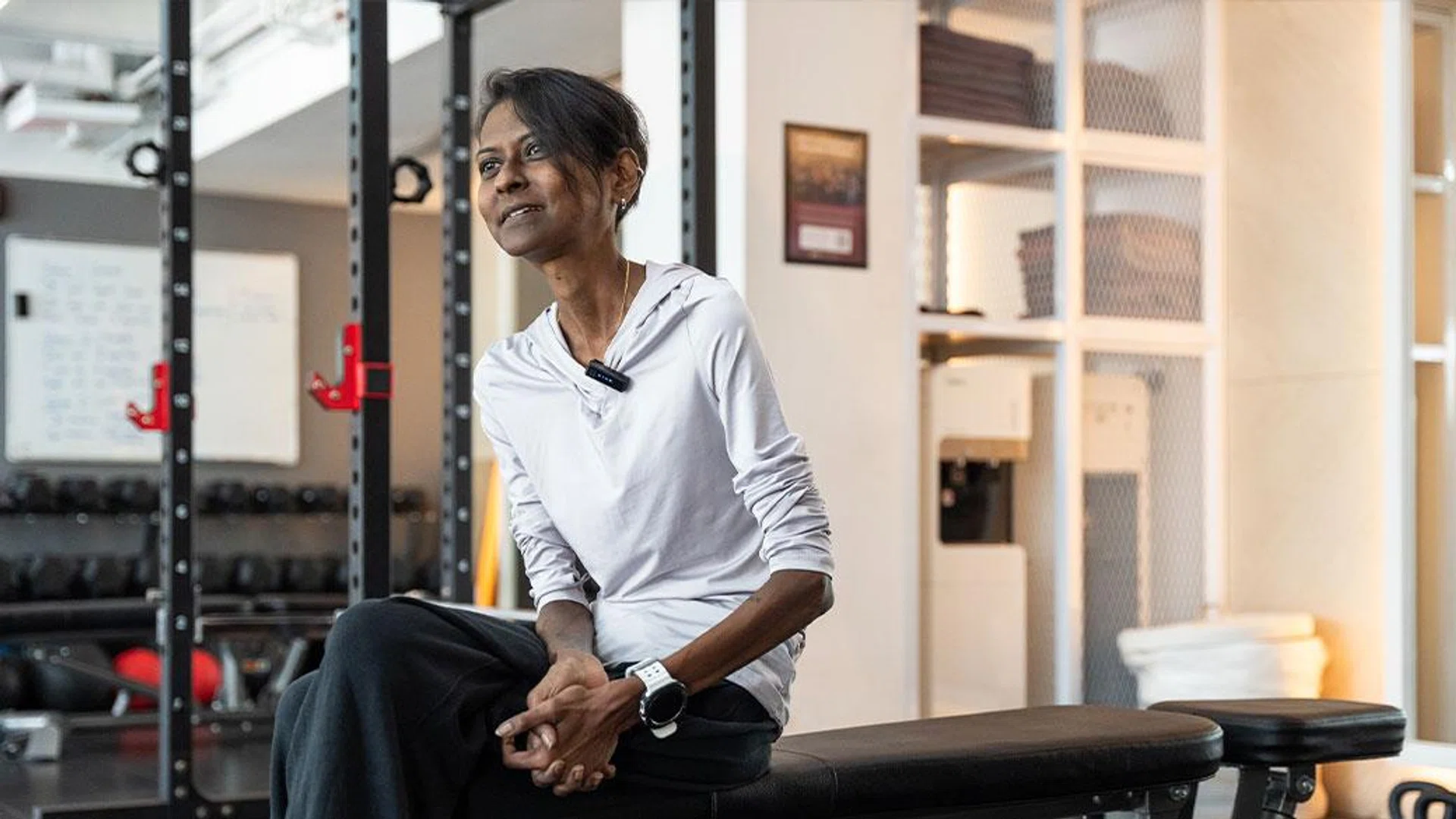
Fatima Nathan, 44, still remembers the morning everything changed. She woke up and immediately felt that something wasn’t right. Her legs, which had always been strong and reliable, were suddenly swollen. It was to the extent that they had tripled in size. They felt heavy, painful, and difficult to move, almost as if they no longer belonged to her.
“I was definitely broken,” she says. “Initially, I thought it was something that would go down by night, or by the end of the week.”
But as the hours passed, the swelling didn’t subside. Instead, the pain intensified, and even the simple act of walking became difficult. Coming from a family of doctors, she was quickly urged to go to the hospital. That visit didn’t bring clarity or reassurance. Instead, it marked the beginning of a long and uncertain journey, one that would slowly dismantle everything she thought she knew about her body, her health, and her sense of control. Fatima was diagnosed with undifferentiated connective tissue disease, a rare autoimmune condition that affects 2 in 100,000 people.
Fitness used to be her “bread and butter”
Before her diagnosis, Fatima led a pretty healthy and balanced lifestyle. A research manager at the National University of Singapore, she balanced a demanding career with a rigorous fitness routine. Exercise wasn’t something she squeezed into her schedule; it was something she built her life around.
“Exercising was like food. It was a requirement,” she says. “I was very active and an avid CrossFitter. I would work out at least five to six times a week.”
Being active gave her structure and focus, especially as someone who describes herself as having mild ADHD. “I constantly need to do something,” she explains. “So this was something like bread and butter.”
At that time, her understanding of strength was closely tied to performance. As most of us would assume, it was all about pushing limits, doing more, and measuring progress in tangible ways. “It was more about how many reps I can do, how heavy I can lift, how confident I feel,” she says. “The more, the better. The faster you are, the greater you are.”
Like many people who are consistent with fitness, she believed that staying active meant staying healthy. She assumed that if you took care of your body, it would take care of you. “It also came with this idea that the more active you are, the more you can go on without having to worry about any conditions,” she adds.
However, this belief of hers would soon be challenged in ways she never expected.
“Why is this happening to me?”
In the weeks that followed that first morning, Fatima’s condition worsened. What began as swelling quickly evolved into something much more complex. Her weight started dropping rapidly, her muscles became increasingly stiff, and she began experiencing persistent nerve pain that she describes as a burning sensation.
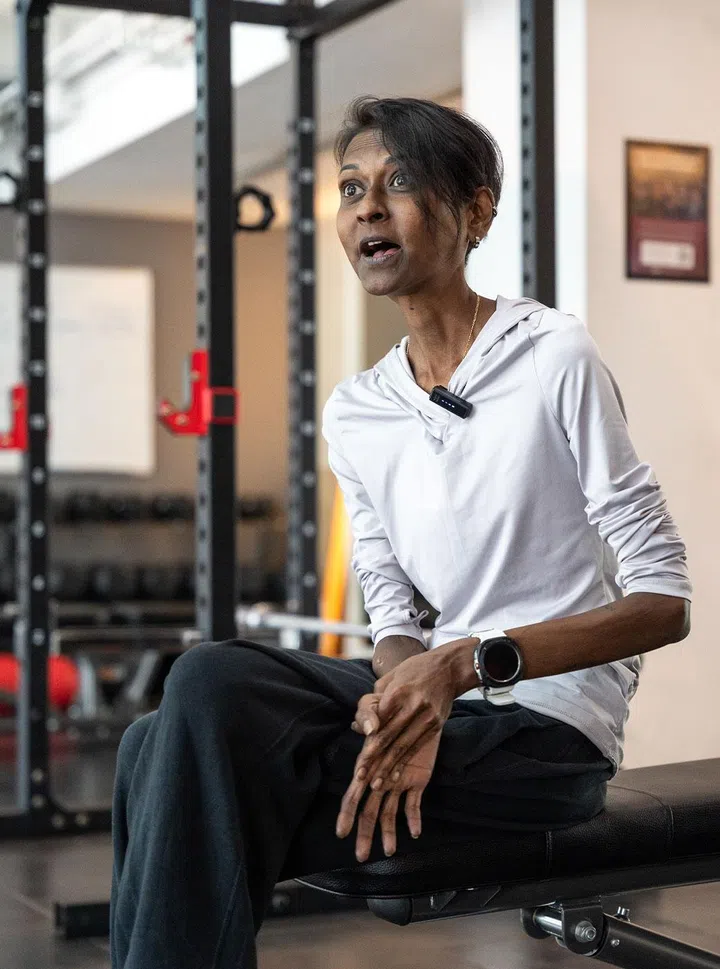
“I think I was in a state of shock,” she says. “Because suddenly you wake up one day and your legs are swollen, and you don’t know what’s going on.”
As the physical symptoms intensified, so did the emotional toll. The uncertainty of not knowing what was happening to her body or how it would progress all became too overwhelming. “The anxiousness, it was really bad,” she says. “It was really a lot of pain.”
“Why is this happening to me? What is going on?” she recalls thinking. Over time, the impact extended far beyond her physical health. “Physically, emotionally, mentally and financially, it was a mess,” she says. Looking back, she describes that period as almost incomprehensible. “You don’t wish this upon anyone. It’s just an unimaginable circumstance.”
No clear answers, just more tests
One of the most difficult parts of Fatima’s journey has been the lack of clear answers. After numerous tests, surgeries, and biopsies, she was eventually diagnosed with undifferentiated connective tissue disease — a rare autoimmune condition that is not fully understood. But even up to now, years later, the process of managing it is ongoing.
“Actually, the period is not over,” she says. “Because with this disease, it comes with a lot of complications.”
She continues to undergo tests regularly, many of which are highly specialised. Some have even been sent overseas due to limitations locally. “I can dare say that they’ve done every test in the world,” she says.
The emotional strain of living with that level of uncertainty is significant, but so is the financial burden. “Not every test can be covered by the government, because they’re very specialised,” she explains. Even while juggling all of this, she has had to maintain a sense of normalcy, continuing to work and manage her daily responsibilities.
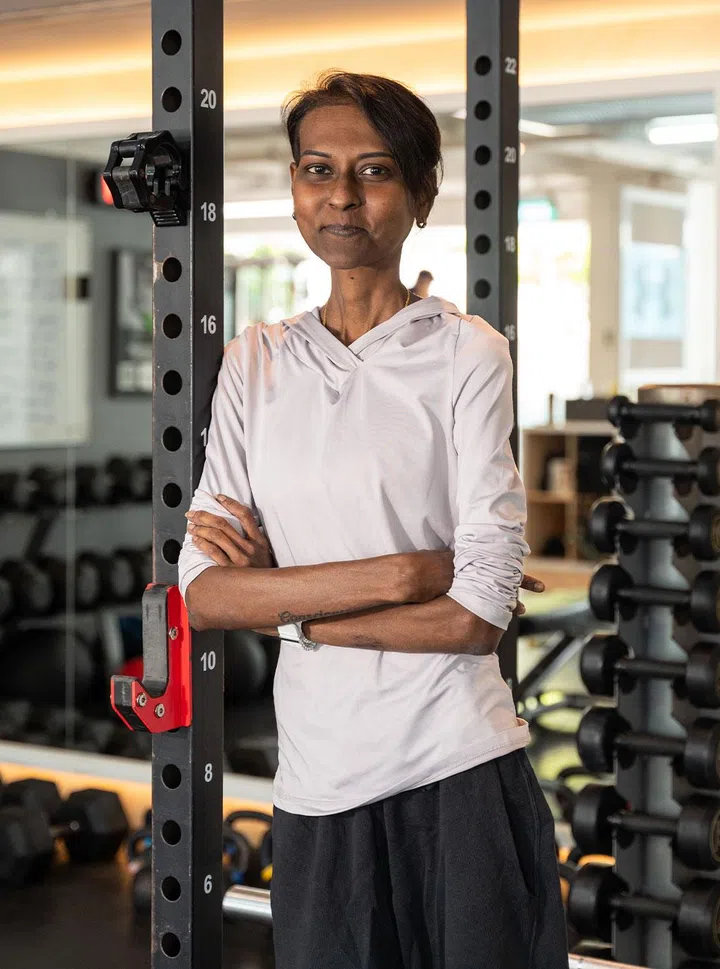
“I still have to live a normal lifestyle,” she says. What has made that possible, she adds, is the support system around her, particularly her mother. “The most important thing was having a good support system, especially my mum,” she says. “So there was that balance and faith. Having had that, I still somehow managed.”
When even getting out of bed feels hard
Living with her condition has meant adjusting to a new normal, one where even the simplest tasks can feel like a challenge. Fatigue is one of the most persistent symptoms she deals with, and it’s not something she can predict or control.
“I think the challenge daily is not getting out of bed,” she says.
Now, with this rare condition, her body requires extended periods of rest; her muscles often stiffen, creating a difficult cycle. “You’re constantly in a horizontal condition,” she explains. “So your muscles will get stiffer.”
But that’s not all. In fact, even staying mentally alert can take effort. “Having to keep my eyes open and my brain alert would be one of the biggest challenges,” she says. And yet, over time, she has learned to navigate these limitations in her own way. “After five years… you somehow figure it out.”
Starting again, slowly
For a period of time, Fatima stopped exercising altogether. In the early stages of her illness, she tried to continue with swimming and gym workouts, determined to hold on to the routines that once defined her. But as the pain worsened, particularly with increasing muscle stiffness, it became too much to manage.
That period of inactivity, however, came with its own challenges. “I felt so slouchy and really inactive,” she admits. It was a stark contrast to the person she used to be.
Then she took matters into her own hands and began easing back into movement slowly, starting with yoga to improve her flexibility. Eventually, she came across UFIT Singapore, a fitness facility near her workplace. Curious, she decided to explore it further.
“I can’t work out by myself because I would get dizzy,” she says. “At any point in time, my legs could lose function and I could collapse.”
After learning that they worked with individuals managing different medical conditions, she decided to give it a try. “I said, ‘ Why not, even though my condition is rare,” she recalls. “And true enough, I was fit with the best team.”
Redefining what progress looks like
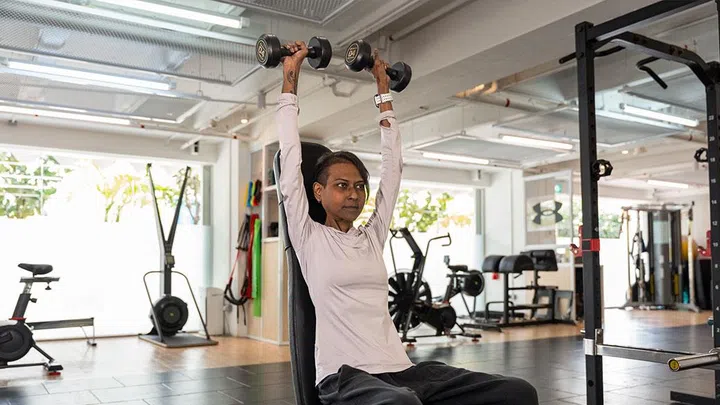
Training now looks a lot more different for Fatima. The focus is no longer on intensity or pushing limits, but on rebuilding strength in a way that supports her daily life.
“It’s very different,” she says. “They make me realise the importance of very simple movements… just to complete simple day tasks.”
Previously, she measured progress in weights and repetitions (like most of us do), but now she finds meaning in things most people would take for granted. “Even climbing a flight of stairs is already a great achievement,” she says.
Her approach to fitness has shifted entirely. “My approach now is increasing strength,” she explains, “but it’s very much so that I can complete daily things that are impossible for someone with that condition.”
Showing up even when it hurts
The reality is that the pain never fully goes away. “Generally every day, it’s not that I’m not in pain, I’m constantly in that,” she says.
There are days when showing up feels like the hardest thing to do, but she continues to push through. What helps is the environment and the people around her. “The people who train you give you the motivation,” she says. “They make you want to be there.”
And then there’s the progress. It’s slow, sometimes inconsistent, but meaningful enough to keep her going. “The progress that you see is what you tell yourself to go,” she says. “Because if you don’t, you know how bad it gets.”
Finding hope in small wins
Over time, those small efforts have started to add up. Fatima has gained strength, improved her endurance, and regained a sense of control over her body.
“I think personally, it means a lot,” she says. “There were things that I thought were not possible.”
Her condition comes with setbacks, and she has learned to accept that progress is rarely linear. “You can move ten steps forward and then tomorrow you may be five steps back,” she says. “But that constant progression… even if you fall back, you’re going to gain it again… makes me think that there is hope.”
That hope is reflected in the everyday improvements she has experienced. She can walk further, climb stairs, and manage her symptoms more effectively. “I used to suddenly get numbness in my legs and I would just drop,” she says. “But that has decreased a lot more.”
Even with complications like blocked veins, she continues to see gradual progress. “Bit by bit, I can see my strength increasing,” she says. “So I guess those are some really good milestones.”
Strength looks different now
Fatima continues to work full-time, balancing her role with ongoing treatments and hospital visits. What keeps her going, she says, is her mindset.
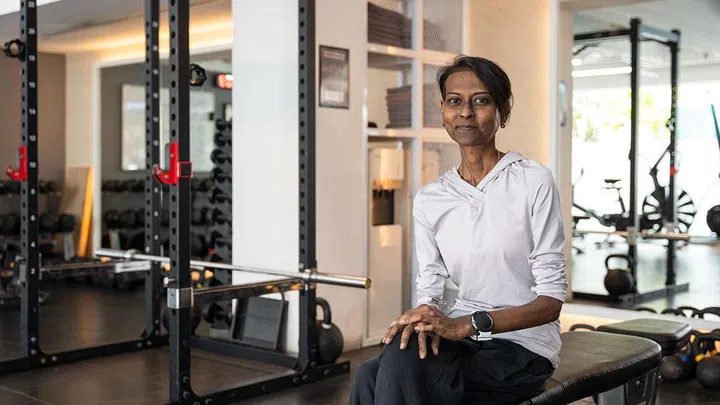
“I always say everything lies in the power of the mind,” she says. “Anything you tell it, it will believe.”
She chooses to focus on what she can control, maintaining as normal a life as possible. “You need to maintain these things,” she says. But her motivation extends beyond herself. “There may be many others like me who are going through it,” she says. “My hope is to advocate and build awareness.”
Taking it one day at a time
Today, her understanding of strength has completely changed. It is no longer about how much she can lift or how far she can push herself physically.
“Strength is just being able to walk from one end to the next and not experience breathlessness,” she says.
It is also about resilience – mental and emotional, not just physical. “Being strong now is not just physical,” she says. “It’s also mental and emotional.”
For Fatima, the future is no longer about long-term goals or rigid plans. It is about taking things as they come, one day at a time.
“There are days when you’re not going to be okay, and that’s totally fine,” she says. “And there are days when you’re going to feel extra great and then you take further steps.” What matters most is continuing to move forward, no matter how slowly. “As long as that step is forward,” she says, “you should never look back.”
BODY TALK: What does it really mean to feel well? Is it lifting heavier, running faster or finally learning to listen to your body? Body Talk is Her World Singapore’s wellness column exploring how women here move, train and care for themselves beyond aesthetics. From strength and stamina to rest, recovery and emotional resilience, each story looks at the physical, mental and emotional sides of wellness and how they show up in real life.