%22%3E%3Cpath%20fill%3D%22%23000%22%20d%3D%22M79.702%2078.555c0%2033.03%2018.767%2046.361%2035.801%2046.361%2014.149%200%2029.738-7.033%2034.505-28.595l-1.445-.306c-3.61%2015.903-14.005%2027.371-33.06%2027.371-13.86%200-13.716-22.173-13.716-41.594V67.415h49.662c0-23.393-13.136-40.674-35.946-40.674-17.034%200-35.801%2018.94-35.801%2051.814m35.801-50.283c14.437%200%2014.005%2026.455%2013.861%2037.617h-27.573c-.004-18.353.865-37.617%2013.712-37.617%22%2F%3E%3C%2Fg%3E%3Cmask%20id%3D%22b%22%20width%3D%22603%22%20height%3D%22126%22%20x%3D%220%22%20y%3D%220%22%20maskUnits%3D%22userSpaceOnUse%22%20style%3D%22mask-type%3Aluminance%22%3E%3Cpath%20fill%3D%22%23fff%22%20d%3D%22M602.5%200H.5v125.074h602z%22%2F%3E%3C%2Fmask%3E%3Cg%20mask%3D%22url(%23b)%22%3E%3Cpath%20fill%3D%22%23000%22%20d%3D%22M86.81%20105.474h-1.445c0%2010.547-4.475%2011.463-5.483%2011.463-2.454%200-4.475-3.514-4.475-11.921V48.264c0-14.83-10.826-21.558-22.229-21.558-10.97%200-22.66%206.118-25.983%2017.276V8.478c-.515-4.763-4.26-8.48-8.893-8.48H.522v1.53H.5c2.886%200%204.763%201.988%204.763%205.045v110.211c0%203.057-1.877%205.045-4.763%205.045h.022v1.531h31.423v-1.531h.021c-2.885%200-4.762-1.988-4.762-5.045V50.252c0-10.395%208.949-18.806%2016.31-18.806%205.338%200%209.813%204.13%209.813%2014.83v58.74c0%2013.909%207.796%2019.874%2016.165%2019.874%209.958.005%2017.318-6.418%2017.318-19.416%22%2F%3E%3C%2Fg%3E%3Cmask%20id%3D%22c%22%20width%3D%22603%22%20height%3D%22126%22%20x%3D%220%22%20y%3D%220%22%20maskUnits%3D%22userSpaceOnUse%22%20style%3D%22mask-type%3Aluminance%22%3E%3Cpath%20fill%3D%22%23fff%22%20d%3D%22M602.5%200H.5v125.074h602z%22%2F%3E%3C%2Fmask%3E%3Cg%20mask%3D%22url(%23c)%22%3E%3Cpath%20fill%3D%22%23000%22%20d%3D%22M225.911%2042.197c0-10.552-11.259-16.818-22.954-16.818-10.682%200-21.513%205.045-25.119%2016.975v-7.352c-.48-4.574-3.977-8.148-8.364-8.398h-18.322v1.53h-.022c2.886%200%204.763%201.99%204.763%205.046v81.371h.004c.293%204.814%203.942%208.633%208.509%208.846v.004h18.173v-1.53h.022c-2.886%200-4.763-1.989-4.763-5.045V48.62c0-10.552%209.094-19.269%2016.602-19.269%204.763%200%208.805%203.672%209.386%2012.693%200%206.881%204.619%2011.773%2011.119%2011.773%206.631%200%2010.966-4.587%2010.966-11.62%22%2F%3E%3C%2Fg%3E%3Cmask%20id%3D%22d%22%20width%3D%22603%22%20height%3D%22126%22%20x%3D%220%22%20y%3D%220%22%20maskUnits%3D%22userSpaceOnUse%22%20style%3D%22mask-type%3Aluminance%22%3E%3Cpath%20fill%3D%22%23fff%22%20d%3D%22M602.5%200H.5v125.074h602z%22%2F%3E%3C%2Fmask%3E%3Cg%20mask%3D%22url(%23d)%22%3E%3Cpath%20fill%3D%22%23000%22%20d%3D%22M234.434%2028.315c2.925%200%205.583%202.312%206.779%205.863l29.782%2089.218h1.597l20.61-61.852%2020.609%2061.852h1.598l29.781-89.218c1.196-3.556%203.855-5.863%206.78-5.863h.183v-1.776h-11.538v1.776h.184c2.925%200%203.99%202.312%202.794%205.863l-18.082%2054.209-18.082-54.209c-1.196-3.556-.131-5.863%202.794-5.863h.183v-1.776h-33.343v1.776h.183c2.925%200%205.583%202.312%206.78%205.863l8.373%2025.058-9.705%2029.15-18.082-54.208c-1.196-3.556-.131-5.863%202.794-5.863h.184v-1.776h-33.344v1.776z%22%2F%3E%3C%2Fg%3E%3Cmask%20id%3D%22e%22%20width%3D%22603%22%20height%3D%22126%22%20x%3D%220%22%20y%3D%220%22%20maskUnits%3D%22userSpaceOnUse%22%20style%3D%22mask-type%3Aluminance%22%3E%3Cpath%20fill%3D%22%23fff%22%20d%3D%22M602.5%200H.5v125.074h602z%22%2F%3E%3C%2Fmask%3E%3Cg%20mask%3D%22url(%23e)%22%3E%3Cpath%20fill%3D%22%23000%22%20d%3D%22M377.826%20124.491c17.034%200%2038.211-15.699%2038.211-48.882%200-33.03-21.177-48.73-38.211-48.73-17.035%200-38.067%2015.857-38.067%2048.73.004%2033.026%2021.032%2048.882%2038.067%2048.882m0-96.085c13.86%200%2016.121%2028.24%2016.121%2047.356%200%2019.116-2.261%2047.198-16.121%2047.198-13.861%200-15.978-27.777-15.978-47.198%200-19.422%202.122-47.356%2015.978-47.356%22%2F%3E%3C%2Fg%3E%3Cmask%20id%3D%22f%22%20width%3D%22603%22%20height%3D%22126%22%20x%3D%220%22%20y%3D%220%22%20maskUnits%3D%22userSpaceOnUse%22%20style%3D%22mask-type%3Aluminance%22%3E%3Cpath%20fill%3D%22%23fff%22%20d%3D%22M602.5%200H.5v125.074h602z%22%2F%3E%3C%2Fmask%3E%3Cg%20mask%3D%22url(%23f)%22%3E%3Cpath%20fill%3D%22%23000%22%20d%3D%22M490.482%2042.197c0-10.552-11.258-16.818-22.953-16.818-10.683%200-21.513%205.045-25.119%2016.975v-7.352c-.48-4.574-3.977-8.148-8.365-8.398h-18.326v1.53h-.022c2.886%200%204.763%201.99%204.763%205.046v81.371h.004c.293%204.814%203.943%208.633%208.509%208.846v.004h18.173v-1.53h.022c-2.885%200-4.763-1.989-4.763-5.045V48.62c0-10.552%209.094-19.269%2016.602-19.269%204.763%200%208.806%203.672%209.386%2012.693%200%206.881%204.619%2011.773%2011.119%2011.773%206.64%200%2010.97-4.587%2010.97-11.62%22%2F%3E%3C%2Fg%3E%3Cmask%20id%3D%22g%22%20width%3D%22603%22%20height%3D%22126%22%20x%3D%220%22%20y%3D%220%22%20maskUnits%3D%22userSpaceOnUse%22%20style%3D%22mask-type%3Aluminance%22%3E%3Cpath%20fill%3D%22%23fff%22%20d%3D%22M602.5%200H.5v125.074h602z%22%2F%3E%3C%2Fmask%3E%3Cg%20mask%3D%22url(%23g)%22%3E%3Cpath%20fill%3D%22%23000%22%20d%3D%22M602.5%20103.974h-1.445c0%2010.553-4.474%2011.468-5.483%2011.468-2.453%200-4.474-3.519-4.474-11.925V6.585c0-3.056%201.877-5.045%204.762-5.045h-.166V.01h-17.715c-4.942%200-8.953%204.24-8.962%209.475h-.009v23.333c-6.063-3.977-9.84-5.503-16.48-5.503-17.034%200-35.801%2014.169-35.801%2047.046%200%2033.183%2013.101%2050.718%2035.801%2050.718%208.085%200%2013.302-2.294%2019.942-8.254%203.03%204.587%207.797%206.575%2012.704%206.575%209.966-.004%2017.326-6.427%2017.326-19.426m-30.75%2011.625c-4.763%204.435-10.84%205.822-13.38%205.822-11.482%200-19.558-16.933-19.558-46.907%200-29.97%2010.914-43.222%2019.885-43.222%203.3%200%206.264.153%2010.307%203.057v69.172c.004%205.04%201.017%209.017%202.746%2012.078%22%2F%3E%3C%2Fg%3E%3Cmask%20id%3D%22h%22%20width%3D%22603%22%20height%3D%22126%22%20x%3D%220%22%20y%3D%220%22%20maskUnits%3D%22userSpaceOnUse%22%20style%3D%22mask-type%3Aluminance%22%3E%3Cpath%20fill%3D%22%23fff%22%20d%3D%22M602.5%200H.5v125.074h602z%22%2F%3E%3C%2Fmask%3E%3Cg%20mask%3D%22url(%23h)%22%3E%3Cpath%20fill%3D%22%23000%22%20d%3D%22M516.984%20121.865c-2.885%200-4.763-1.988-4.763-5.045V9.466C512.2%204.241%20508.196.01%20503.259.01h-17.724v1.53h-.022c2.89%200%204.763%201.989%204.763%205.045v108.418c.515%204.564%204.029%208.129%208.434%208.337v.06h18.252v-1.53h.022z%22%2F%3E%3C%2Fg%3E%3C%2Fsvg%3E)
From teen retirement to Olympic gold – here are six reasons why everyone’s talking about Alysa Liu right now
She isn’t your typical Olympic champion
By Syed Zulfadhli -
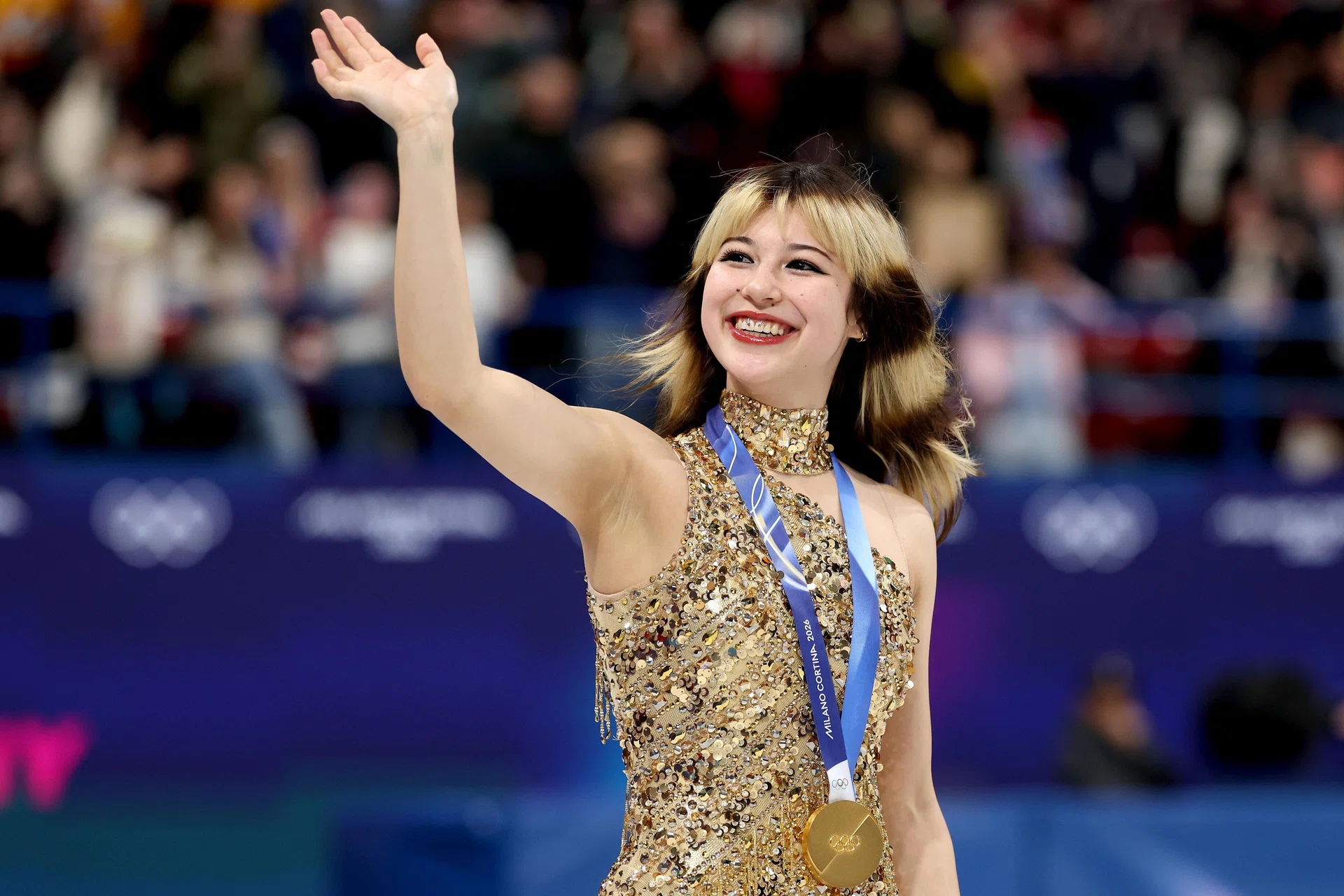
Meet Alysa Liu, the figure skater who just pulled off one of the most compelling storylines of the 2026 Winter Olympics.
At Milano Cortina 2026, the California-born athlete captured two Olympic gold medals – first with Team USA in the figure skating team event, and then in the women’s singles competition, where her victory carried rare historical significance.
Alysa’s win marked the first Olympic gold in women’s singles for the United States since Sarah Hughes’s triumph at the 2002 Salt Lake City Games, ending a 24-year wait for American fans of the sport. Her long programme, set to Donna Summer’s MacArthur Park Suite, drew a standing ovation and secured a winning total of 226.79 points, sealing her status as one of the defining athletes of the Games.
Almost instantly, Alysa’s performance spilled beyond the rink and into the internet’s collective consciousness. Clips of her skate, her unfiltered reactions, and her distinct personal style circulated widely, resonating even with audiences who do not typically follow figure skating.
Even her celebrations became part of the narrative. In a moment that fans swiftly embraced, Alysa reportedly cracked her medal amid post-victory excitement.
But the medals and viral moments tell only part of the story. Alysa’s rise has been anything but predictable, shaped by early stardom, a surprise retirement, and a comeback few elite athletes manage at such a young age.
So who exactly is she? Here are six things you need to know about the double Olympic gold medallist everyone is talking about.
1) Her family story is anything but conventional
Behind Alysa’s Olympic success sits a family structure that has long intrigued the public. Liu was raised by her father, Arthur Liu, a Bay Area lawyer who chose to become a single parent and welcomed five children via surrogacy, according to People. Alysa is the eldest, followed by sister Selina and triplets Julia, Justin, and Joshua – all born with the help of anonymous egg donors.
Arthur has spoken candidly about his decision to pursue parenthood independently. As People notes, he embarked on surrogacy in his forties, driven by a longstanding desire to have children rather than by convention. The result is a family dynamic rarely seen in elite sport narratives – one centred on a single father by choice, supported in the early years by Liu’s grandmother, Shu, who moved from China to help raise the children.
This unconventional upbringing has become a recurring point of fascination in media profiles, offering a striking counterpoint to the often traditional family backdrops associated with Olympic athletes.
2) She was raised in a childhood defined by skating
Alysa herself has openly described her early years as “abnormal”. Introduced to figure skating at just five years old, her daily life quickly became structured around the rink. Training schedules, coaching decisions, and competitive goals dominated her formative years, a reality she later reflected on in interviews highlighted by People.
By her early teens, skating had already taken on the weight of obligation. Alysa recalled practising daily at 13 and 14, comparing the experience less to a hobby than to a job. The intensity of that environment ultimately shaped one of the most surprising decisions of her young career: retiring from the sport at 16, shortly after the Beijing Winter Olympics.
3) Wait - she retired from skating at just 16?
Long before her Olympic triumph, Alysa made a decision that stunned the figure skating world: she retired from competitive skating in 2022 at the age of 16.
The timing alone raised eyebrows. Alysa had already competed on the sport’s biggest stages, yet stepping away felt, to her, less like a risk than a necessity. As later reported by Mothership, she described the break as the “only way” she could escape the sense of feeling “trapped” and “stuck” – emotions shaped by years of intense training and the pressures of early stardom.
The two-year hiatus allowed her to experience a version of adolescence largely absent from her teenage years. Reports noted that she travelled, explored new interests, and enrolled in college courses – a stark contrast to the regimented routines that had defined her childhood.
As detailed by People, the pause from skating proved pivotal. Distance from the ice allowed her to reconnect with family life and, eventually, rediscover her relationship with the sport in her own time – a shift that would later underpin her remarkable comeback and Olympic triumph.
Reflecting on that period, she offered advice that resonated far beyond sport: “Spend time alone. I think it really helped me.”
4) Her beauty staple is quite Rare
Alysa’s Olympic performances may be elite, but her beauty routine is strikingly low-frills. In an interview highlighted by Yahoo, the double gold medallist revealed that much like many athletes, she handles her own competition glam.
“Hell no! We do it all ourselves,” she said when asked whether figure skaters arrive with professional glam squads, a candid response that instantly resonated with fans.
Her product loyalties are equally revealing. Alysa shared that she relies heavily on Rare Beauty, Selena Gomez’s wildly popular cosmetics brand, which itself became part of her Olympic virality. Among her favourites, one product stood out above the rest: Rare Beauty’s Gel Liner, which Liu said would be her single must-have if forced to choose.
The simplicity of the routine – coupled with a scene of the Olympic champion casually asking “Where’s my lipstick?” before stepping onto the podium – only intensified public fascination. Alysa notably went viral for applying Rare Beauty’s Tinted Lip Oil Stain during the Games, a fleeting yet internet-perfect moment that beauty fans quickly embraced.
The detail carried subtle resonance beyond cosmetics. Rare Beauty’s brand identity is deeply rooted in conversations around self-acceptance and mental health, a philosophy that closely echoes Alysa’s own story of burnout, self-redefinition, and reshaping her relationship with elite competition.
5) Alysa’s hair aesthetic explained: She thinks of herself as a tree
Elite figure skating has long carried unspoken aesthetic expectations: polished, traditionally feminine, and visually conservative. Alysa, however, has disrupted that mould.
As detailed in Cosmopolitan, u made her return to competitive skating with a firm personal rule – no one would dictate how she should look. Hair, styling, costumes, self-presentation – all non-negotiable. She recalled warning her team that if officials ever pressured her to revert to a more “acceptable” image, she would simply walk away.
Her now-signature striped hair, which she likens to the rings of a tree, became a visual shorthand for that independence. “I do one for every year because I like to think of myself as a tree,” she told Cosmo, framing the look less as rebellion than self-expression. The distinctive aesthetic, paired with her frenulum piercing and relaxed off-ice style, created a contrast rarely seen in the sport.
More strikingly, Alysa’s individuality did not invite visible institutional backlash – something that fans and commentators alike have found refreshing. Instead, her image has become part of her appeal, signalling a generational shift in how elite athletes present themselves. As she puts it plainly: “If I change my hair, it’s going to be because I wanted to.”
6) She’s refreshingly candid about her love life – or lack thereof
While Olympians often field endless speculation about relationships, Alysa has approached the topic with characteristic frankness.
In her conversation with Cosmo, she revealed that dating simply does not rank high among her priorities. Far from romantic intrigue, she described feeling deeply fulfilled by friendships, family, personal growth and, perhaps most notably, by her relationship with herself.
“I really love myself,” the figure skating champ said, a statement that neatly captures the self-assuredness shaping her post-comeback public persona. She acknowledged that elite training schedules leave little room for traditional romance, but the reasoning ran deeper than logistics. She is clear-eyed about it: a relationship would mean adjustments she has no desire to make at this stage of her life.
Her perspective – choosing autonomy and emotional stability over performative coupledom – resonates strongly with younger audiences, particularly in an era where athletes are increasingly vocal about boundaries and mental well-being. Her conclusion was disarmingly simple: “I love being single, I really do.”