
Don’t just “tahan”: Mdm Rahayu Mahzam on why we need to talk more about menopause
Despite growing awareness, menopause remains an overlooked stage of women’s health. A ta recent panel discussion, Mdm Rahayu Mahzam called for more open conversations, accessible healthcare and stronger support from families and employers
By Letty Seah -
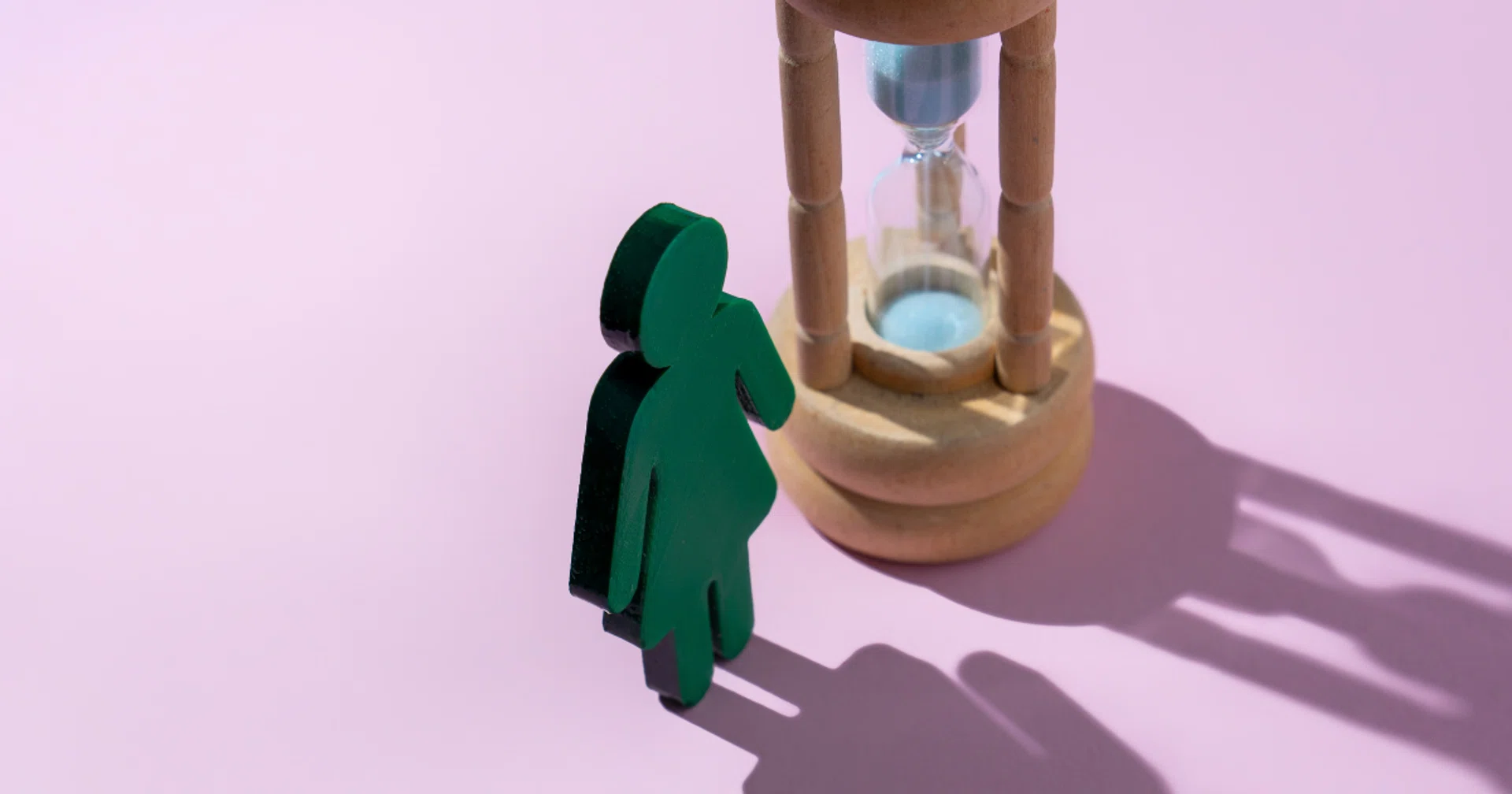
While pregnancy is often met with celebration, preparation and support, menopause remains a comparatively overlooked milestone in a woman’s life. Expectant mothers have access to classes, apps and regular check-ups, with friends and family readily asking how they are doing. Menopause, on the other hand, can still feel shrouded in mystery, leaving women feeling isolated as they navigate the physical and emotional changes that come with midlife.
Although conversations around menopause have become more normalised in recent years, there is still much work to be done. As Mdm Rahayu Mahzam, Minister of State for Digital Development and Information and Health, pointed out, “As for menopause, there is considerably less conversation and even less preparation.”
She was speaking at Real Conversations For Better Midlife Health on 17 October, where she participated in a panel discussion moderated by Ms Valery Tan, co-founder of Surety Singapore, alongside Ms Irene Lau, managing director of Watsons Singapore and Vietnam.
The conversation comes at a particularly pertinent time for Singapore. As the nation moves towards becoming a super-aged society, with more than one in five residents aged 65 and above, menopause remains one of the least discussed stages of a woman’s life.
Why We Need to Move Beyond ‘Just Tahan’
One of Mdm Rahayu’s key messages was women should not have to suffer in silence when help is available.
“Don’t just tahan,” she urged, encouraging women to acknowledge what they are experiencing, understand the changes happening in their bodies and seek the information and support they need. While menopause can bring challenges, she emphasised that there are symptoms women can prevent or manage, provided they have access to the right information and resources.
The responsibility, however, does not rest solely on women to seek help. Creating awareness also means making reliable information more accessible, establishing opportunities for open conversations and normalising discussions about menopause across different settings.
Mdm Rahayu commended Surety Singapore and its co-founders, Valery Tan and Elmer, for their efforts to bring menopause into the public conversation. From launching Singapore’s first Menopause Festival around 2024 to organising regular Pause & Sip sessions, the organisation has worked to create spaces where women can share their experiences and learn from one another.
Its collaboration with Watsons Singapore to survey women experiencing perimenopause and menopause is another step towards understanding their concerns and needs.
For Mdm Rahayu, raising awareness early is particularly important so that “surprise doesn’t become a shock”. The more women understand what to expect, the better equipped they will be to recognise symptoms, seek advice and make informed decisions about their health.
The Importance of Having the Right Support
Beyond raising awareness, Mdm Rahayu highlighted the importance of making professional support accessible.
One avenue is Healthier SG, which encourages individuals to build ongoing relationships with their family doctors. Establishing this relationship allows doctors to understand a patient’s health baseline, making it easier to identify changes and determine what may require further attention.
Support should also extend beyond medical consultations. Lifestyle changes, exercise and other community-based activities can play a role in helping women manage their well-being. Doctors can help connect patients with suitable grassroots programmes, workshops and activities that are conveniently located near their homes or workplaces.
Ultimately, it is about seeking advice from the right people, equipped with the knowledge and skills to make appropriate recommendations, rather than relying solely on information from “Dr Google” or AI.
Mdm Rahayu also cited the clinical guidelines for the diagnosis and treatment of menopause developed by KK Women’s and Children’s Hospital, as well as resources such as Dynamite Daisies, which connect women with the appropriate spaces to access the help, medication and support they need.
Equally important is changing how menopause is understood and addressed in the workplace.
Launched in September, the Menopause Care Playbook: Creating A Supportive & Inclusive Workplace offers evidence-based information on the menopause transition and resources available in Singapore. It also provides practical guidance for managers on recognising symptoms and initiating conversations with colleagues, helping workplaces become more supportive of women navigating this stage of life.
After all, menopause is not a one-size-fits-all experience. Every woman goes through it differently, and the effects can be particularly challenging for caregivers, whom Mdm Rahayu described as silent heroes. When others depend on them, taking time out to manage their own health can feel difficult, even when their symptoms affect their daily lives.
This is why menopause must be understood as more than a medical issue. It is also about awareness, empowerment and collective responsibility.
“Employers can make it easier for women to speak up. Families can notice, ask and share the load. And partners like Surety and Watsons can bring reliable information closer to where women already are,” she said.
Her message to women was equally clear: “To every woman here this morning: what you are experiencing is real, and you are not alone. Ask your questions, share your experiences, and don’t just tahan.”
Why Sleep Is a Key Concern During Menopause
Among the concerns discussed during the panel, sleep emerged as a particularly significant issue.
According to the Watsons Women’s Health Survey, two in three women experiencing perimenopause and seven in 10 women in menopause reported poor sleep over the past six months. Beyond sleep difficulties, more than half reported low energy, around half experienced joint aches, and nearly two in three women in perimenopause reported hot flushes.
When asked which aspect of their well-being they most wanted to improve, women in both groups identified sleep as their top priority.
For Ms Lau, this is an issue she understands personally. She acknowledged how challenging it can be to get a good night’s rest when menopause-related symptoms interfere with sleep.
Hot flushes, for instance, may wake women in the middle of the night. The cause may not always be immediately obvious, with women potentially attributing the discomfort to something as simple as an air-conditioning unit that is not working properly.
These experiences underscore the importance of having more open conversations about menopause, including symptoms that women may not immediately recognise as being related to hormonal changes.
For Watsons, listening to women’s experiences is also an opportunity to better understand their needs and introduce more relevant products and content to support them through this stage of life.
Creating Spaces Where Women Feel Comfortable Asking for Help
Ms Lau emphasised that Watsons hopes to play a more active role in menopause awareness, extending its role beyond that of a retailer.
“We want to take the lead to start conversations and build content. We want to be more than just a retailer offering promotions. We want to participate in these conversations,” she said.
Having a network of support is important, particularly because every woman’s menopause journey is different. Yet, as Ms Lau pointed out, speaking openly about these experiences can help women realise that they are not alone.
Even small changes in how menopause-related products are presented can help make the subject feel less intimidating. At Watsons, for instance, plans are underway to introduce shelves labelled “Women’s Balance” rather than explicitly highlighting menopause. The aim is to create a more comfortable and approachable space where women can browse products that address their needs without feeling singled out.
Ultimately, creating better midlife health outcomes requires more than information alone. It calls for a collective effort to make conversations easier, support more accessible and women feel less alone as they navigate the changes that come with menopause.
As Ms Lau put it, “Let’s all take time to understand ourselves and have those conversations.”