%22%3E%3Cpath%20fill%3D%22%23000%22%20d%3D%22M79.702%2078.555c0%2033.03%2018.767%2046.361%2035.801%2046.361%2014.149%200%2029.738-7.033%2034.505-28.595l-1.445-.306c-3.61%2015.903-14.005%2027.371-33.06%2027.371-13.86%200-13.716-22.173-13.716-41.594V67.415h49.662c0-23.393-13.136-40.674-35.946-40.674-17.034%200-35.801%2018.94-35.801%2051.814m35.801-50.283c14.437%200%2014.005%2026.455%2013.861%2037.617h-27.573c-.004-18.353.865-37.617%2013.712-37.617%22%2F%3E%3C%2Fg%3E%3Cmask%20id%3D%22b%22%20width%3D%22603%22%20height%3D%22126%22%20x%3D%220%22%20y%3D%220%22%20maskUnits%3D%22userSpaceOnUse%22%20style%3D%22mask-type%3Aluminance%22%3E%3Cpath%20fill%3D%22%23fff%22%20d%3D%22M602.5%200H.5v125.074h602z%22%2F%3E%3C%2Fmask%3E%3Cg%20mask%3D%22url(%23b)%22%3E%3Cpath%20fill%3D%22%23000%22%20d%3D%22M86.81%20105.474h-1.445c0%2010.547-4.475%2011.463-5.483%2011.463-2.454%200-4.475-3.514-4.475-11.921V48.264c0-14.83-10.826-21.558-22.229-21.558-10.97%200-22.66%206.118-25.983%2017.276V8.478c-.515-4.763-4.26-8.48-8.893-8.48H.522v1.53H.5c2.886%200%204.763%201.988%204.763%205.045v110.211c0%203.057-1.877%205.045-4.763%205.045h.022v1.531h31.423v-1.531h.021c-2.885%200-4.762-1.988-4.762-5.045V50.252c0-10.395%208.949-18.806%2016.31-18.806%205.338%200%209.813%204.13%209.813%2014.83v58.74c0%2013.909%207.796%2019.874%2016.165%2019.874%209.958.005%2017.318-6.418%2017.318-19.416%22%2F%3E%3C%2Fg%3E%3Cmask%20id%3D%22c%22%20width%3D%22603%22%20height%3D%22126%22%20x%3D%220%22%20y%3D%220%22%20maskUnits%3D%22userSpaceOnUse%22%20style%3D%22mask-type%3Aluminance%22%3E%3Cpath%20fill%3D%22%23fff%22%20d%3D%22M602.5%200H.5v125.074h602z%22%2F%3E%3C%2Fmask%3E%3Cg%20mask%3D%22url(%23c)%22%3E%3Cpath%20fill%3D%22%23000%22%20d%3D%22M225.911%2042.197c0-10.552-11.259-16.818-22.954-16.818-10.682%200-21.513%205.045-25.119%2016.975v-7.352c-.48-4.574-3.977-8.148-8.364-8.398h-18.322v1.53h-.022c2.886%200%204.763%201.99%204.763%205.046v81.371h.004c.293%204.814%203.942%208.633%208.509%208.846v.004h18.173v-1.53h.022c-2.886%200-4.763-1.989-4.763-5.045V48.62c0-10.552%209.094-19.269%2016.602-19.269%204.763%200%208.805%203.672%209.386%2012.693%200%206.881%204.619%2011.773%2011.119%2011.773%206.631%200%2010.966-4.587%2010.966-11.62%22%2F%3E%3C%2Fg%3E%3Cmask%20id%3D%22d%22%20width%3D%22603%22%20height%3D%22126%22%20x%3D%220%22%20y%3D%220%22%20maskUnits%3D%22userSpaceOnUse%22%20style%3D%22mask-type%3Aluminance%22%3E%3Cpath%20fill%3D%22%23fff%22%20d%3D%22M602.5%200H.5v125.074h602z%22%2F%3E%3C%2Fmask%3E%3Cg%20mask%3D%22url(%23d)%22%3E%3Cpath%20fill%3D%22%23000%22%20d%3D%22M234.434%2028.315c2.925%200%205.583%202.312%206.779%205.863l29.782%2089.218h1.597l20.61-61.852%2020.609%2061.852h1.598l29.781-89.218c1.196-3.556%203.855-5.863%206.78-5.863h.183v-1.776h-11.538v1.776h.184c2.925%200%203.99%202.312%202.794%205.863l-18.082%2054.209-18.082-54.209c-1.196-3.556-.131-5.863%202.794-5.863h.183v-1.776h-33.343v1.776h.183c2.925%200%205.583%202.312%206.78%205.863l8.373%2025.058-9.705%2029.15-18.082-54.208c-1.196-3.556-.131-5.863%202.794-5.863h.184v-1.776h-33.344v1.776z%22%2F%3E%3C%2Fg%3E%3Cmask%20id%3D%22e%22%20width%3D%22603%22%20height%3D%22126%22%20x%3D%220%22%20y%3D%220%22%20maskUnits%3D%22userSpaceOnUse%22%20style%3D%22mask-type%3Aluminance%22%3E%3Cpath%20fill%3D%22%23fff%22%20d%3D%22M602.5%200H.5v125.074h602z%22%2F%3E%3C%2Fmask%3E%3Cg%20mask%3D%22url(%23e)%22%3E%3Cpath%20fill%3D%22%23000%22%20d%3D%22M377.826%20124.491c17.034%200%2038.211-15.699%2038.211-48.882%200-33.03-21.177-48.73-38.211-48.73-17.035%200-38.067%2015.857-38.067%2048.73.004%2033.026%2021.032%2048.882%2038.067%2048.882m0-96.085c13.86%200%2016.121%2028.24%2016.121%2047.356%200%2019.116-2.261%2047.198-16.121%2047.198-13.861%200-15.978-27.777-15.978-47.198%200-19.422%202.122-47.356%2015.978-47.356%22%2F%3E%3C%2Fg%3E%3Cmask%20id%3D%22f%22%20width%3D%22603%22%20height%3D%22126%22%20x%3D%220%22%20y%3D%220%22%20maskUnits%3D%22userSpaceOnUse%22%20style%3D%22mask-type%3Aluminance%22%3E%3Cpath%20fill%3D%22%23fff%22%20d%3D%22M602.5%200H.5v125.074h602z%22%2F%3E%3C%2Fmask%3E%3Cg%20mask%3D%22url(%23f)%22%3E%3Cpath%20fill%3D%22%23000%22%20d%3D%22M490.482%2042.197c0-10.552-11.258-16.818-22.953-16.818-10.683%200-21.513%205.045-25.119%2016.975v-7.352c-.48-4.574-3.977-8.148-8.365-8.398h-18.326v1.53h-.022c2.886%200%204.763%201.99%204.763%205.046v81.371h.004c.293%204.814%203.943%208.633%208.509%208.846v.004h18.173v-1.53h.022c-2.885%200-4.763-1.989-4.763-5.045V48.62c0-10.552%209.094-19.269%2016.602-19.269%204.763%200%208.806%203.672%209.386%2012.693%200%206.881%204.619%2011.773%2011.119%2011.773%206.64%200%2010.97-4.587%2010.97-11.62%22%2F%3E%3C%2Fg%3E%3Cmask%20id%3D%22g%22%20width%3D%22603%22%20height%3D%22126%22%20x%3D%220%22%20y%3D%220%22%20maskUnits%3D%22userSpaceOnUse%22%20style%3D%22mask-type%3Aluminance%22%3E%3Cpath%20fill%3D%22%23fff%22%20d%3D%22M602.5%200H.5v125.074h602z%22%2F%3E%3C%2Fmask%3E%3Cg%20mask%3D%22url(%23g)%22%3E%3Cpath%20fill%3D%22%23000%22%20d%3D%22M602.5%20103.974h-1.445c0%2010.553-4.474%2011.468-5.483%2011.468-2.453%200-4.474-3.519-4.474-11.925V6.585c0-3.056%201.877-5.045%204.762-5.045h-.166V.01h-17.715c-4.942%200-8.953%204.24-8.962%209.475h-.009v23.333c-6.063-3.977-9.84-5.503-16.48-5.503-17.034%200-35.801%2014.169-35.801%2047.046%200%2033.183%2013.101%2050.718%2035.801%2050.718%208.085%200%2013.302-2.294%2019.942-8.254%203.03%204.587%207.797%206.575%2012.704%206.575%209.966-.004%2017.326-6.427%2017.326-19.426m-30.75%2011.625c-4.763%204.435-10.84%205.822-13.38%205.822-11.482%200-19.558-16.933-19.558-46.907%200-29.97%2010.914-43.222%2019.885-43.222%203.3%200%206.264.153%2010.307%203.057v69.172c.004%205.04%201.017%209.017%202.746%2012.078%22%2F%3E%3C%2Fg%3E%3Cmask%20id%3D%22h%22%20width%3D%22603%22%20height%3D%22126%22%20x%3D%220%22%20y%3D%220%22%20maskUnits%3D%22userSpaceOnUse%22%20style%3D%22mask-type%3Aluminance%22%3E%3Cpath%20fill%3D%22%23fff%22%20d%3D%22M602.5%200H.5v125.074h602z%22%2F%3E%3C%2Fmask%3E%3Cg%20mask%3D%22url(%23h)%22%3E%3Cpath%20fill%3D%22%23000%22%20d%3D%22M516.984%20121.865c-2.885%200-4.763-1.988-4.763-5.045V9.466C512.2%204.241%20508.196.01%20503.259.01h-17.724v1.53h-.022c2.89%200%204.763%201.989%204.763%205.045v108.418c.515%204.564%204.029%208.129%208.434%208.337v.06h18.252v-1.53h.022z%22%2F%3E%3C%2Fg%3E%3C%2Fsvg%3E)
Women in S.P.A.M are shaping culture. So why is their work still dismissed?
The women working in Social Media, PR, Advertising and Marketing influence what we buy, watch, share and talk about every day. Yet despite their impact on culture and consumer behaviour, their work is often reduced to stereotypes about posting on Instagram and attending events.
By Annabelle Jeffrey -

Share this article
One of the comments I hear most about my job is, "It looks so fun."
And to be fair, I can see why.
As a Senior Content Producer at Her World, my Instagram Stories sometimes look like a highlight reel of restaurant openings, beauty launches and events. On a good week, I might be trying a new brunch spot on Tuesday, attending a product launch on Wednesday and interviewing someone interesting on Thursday.
What people don't see are the hours spent researching, pitching stories, chasing interviewees, writing articles, filming and editing videos, or scrambling to finish a piece before a deadline. They definitely don't see me staring at my laptop at 10pm because I still have three videos to edit.
Still, I can't really blame people for thinking my job is all fun and games. I've had friends joke that I get paid to eat, drink and attend events. Some have even asked where the actual work comes in.
The funny thing is, after speaking to women working across Social Media, PR, Advertising and Marketing, I realised I’m not the only one hearing these comments.
If you’ve spent any time on LinkedIn or TikTok recently, you may have come across the term “Women in S.P.A.M”.
No, it’s not about junk mail.
The acronym stands for Social Media, PR, Advertising and Marketing, and was coined as a playful nod to Women in STEM. The movement celebrates the women working behind the scenes to shape brand narratives, influence consumer behaviour and drive cultural conversations.
Yet despite the influence these industries have on what we buy, watch, share and talk about, many women working in them say they are still battling the perception that what they do is simply “posting on Instagram” or attending events.
Why careers in marketing and PR are often misunderstood
Perhaps the biggest misconception surrounding careers in S.P.A.M is that they revolve entirely around social media.

For Yenming Phuang, Marketing & Communications Manager at TSH Corporation Limited, social media is simply one part of a much larger puzzle.
“One of the biggest misconceptions about my role is that it revolves primarily around creating content for social media,” she says. “Social media is certainly an important marketing channel today, but it is only one component of a much larger strategy.”
Her role involves everything from brand positioning and partnerships to customer engagement and campaign strategy across the group’s portfolio of hospitality and lifestyle brands.
Similarly, Michelle Koh, Co-founder of SAYA, says people often assume marketing is largely about content and campaigns.
“People often assume marketing is mainly about content, campaigns or being ‘good at social’. Those things are part of the ecosystem, but they are usually the most visible layer, not the whole machine.”
For Koh, much of her work involves understanding markets, identifying opportunities and translating cultural insights into commercial growth.
Meanwhile, PR consultant Pris Chua says many people assume her role centres around networking and attending events.
“While those are certainly part of the role, a large portion of the work happens behind the scenes,” she says. “There is a significant amount of research, planning and strategic thinking involved.”
The work people don’t see
The common thread among all three women is that much of the work happens long before anything reaches the public.
Consumers see the campaign, the launch event, the social media post or the media coverage. What they don’t see are the weeks, and sometimes months, of preparation behind it.
“I often think of marketing as a form of R&D for brands,” says Phuang. “We are constantly testing ideas and finding new ways to remain relevant in an ever-changing landscape.”
She points out that every campaign begins with understanding customers, analysing behaviours and identifying what truly resonates with an audience.
Koh echoes that sentiment.
“So much of the work happens before anything public-facing exists. It is in the pattern recognition, the reading between the lines, the ability to sense where attention is moving and where opportunities might open up.”
In PR, Chua says success often comes down to years of relationship-building and industry expertise.
“What may look effortless from the outside is often the result of years of accumulated expertise, industry knowledge and trusted relationships.”
In other words, the Instagram or Tik Tok post, press feature or viral campaign is often just the final product of countless hours of strategy, research and coordination.
Why are these jobs still underestimated?
Part of the challenge may be that the outputs of S.P.A.M professions are so visible.
Almost everyone interacts with advertisements, social media posts and brands every day. Because these touchpoints feel familiar, there’s a tendency to assume creating them must be straightforward too.
“One of the most common perceptions is that S.P.A.M are things that anyone can do,” says Phuang.
What people don’t see, she explains, is the amount of consumer understanding that sits behind every decision.
“The real challenge is understanding our customers, understanding their behaviours and preferences, then translating those insights into strategies that genuinely resonate.”
Koh believes the industry is often underestimated because people only see the final result.
“They see the post, the campaign, the event, the headline. They do not always see the thinking, negotiation, timing, intuition, stakeholder management and sheer amount of context required to make something culturally impactful.”
Reading through the responses, I was struck by how often words like strategy, research, analysis and consumer behaviour came up. These are hardly the buzzwords people associate with jobs that are supposedly all about posting online.
Yet perhaps that’s part of the problem. The work is often invisible. People see the event but not the months spent organising it. They see the article but not the interviews, edits and deadlines behind it. They see the campaign but not the research that informed it.
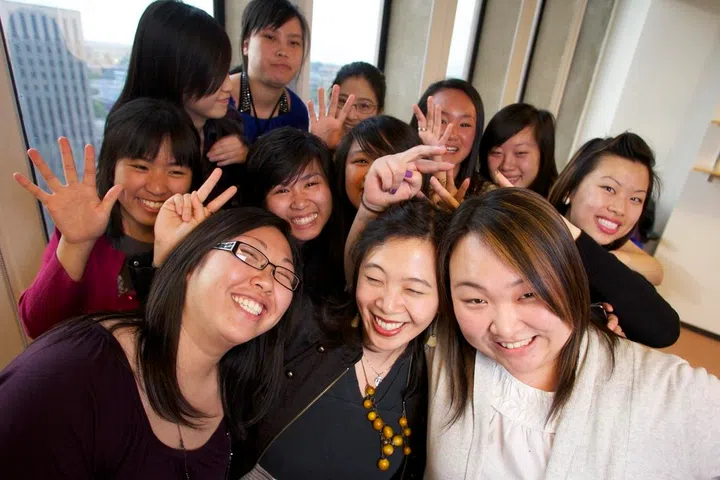
How women in S.P.A.M are influencing culture
While the work may be underestimated, its influence is difficult to deny.
The women working in S.P.A.M help shape how brands communicate, how consumers engage with them and, increasingly, what enters the cultural mainstream.
“We are not just amplifying culture, but we’re interpreting it and shaping it,” says Koh.
She points to the role marketers and communicators play in identifying shifts in consumer behaviour, building communities and helping brands stay relevant in a rapidly changing landscape.
For Phuang, one of the most powerful tools in her work is empathy.
“Empathy is often dismissed as a soft skill, but I see it as a strategic advantage. It helps us better understand audiences, shape meaningful communication and create experiences.”
That perspective is particularly important in industries where audiences are becoming more diverse and expectations continue to evolve.
Chua agrees, noting that women often bring valuable lived experiences that help campaigns and messaging feel more relevant and inclusive.
“Female voices in these industries can help ensure that campaigns, messaging and products are more reflective of the communities they serve.”
More than just a workplace label
The rise of Women in S.P.A.M is not simply about creating another workplace label. It is about recognising a category of work that has long been hiding in plain sight.
Whether they are building communities, launching brands, managing reputations, crafting stories or identifying cultural shifts before they hit the mainstream, these women are helping shape the conversations, behaviours and trends that influence our daily lives.
And if you’re still convinced we spend our days simply posting on Instagram or Tik Tok and attending events, well, I have a few deadlines that would beg to differ.