
Coping mechanisms: How to tell if yours are healthy
Relief isn’t the same as resolution. Experts explain how to spot when your favourite stress-buster has sneakily become a problem
By Charis Gan -
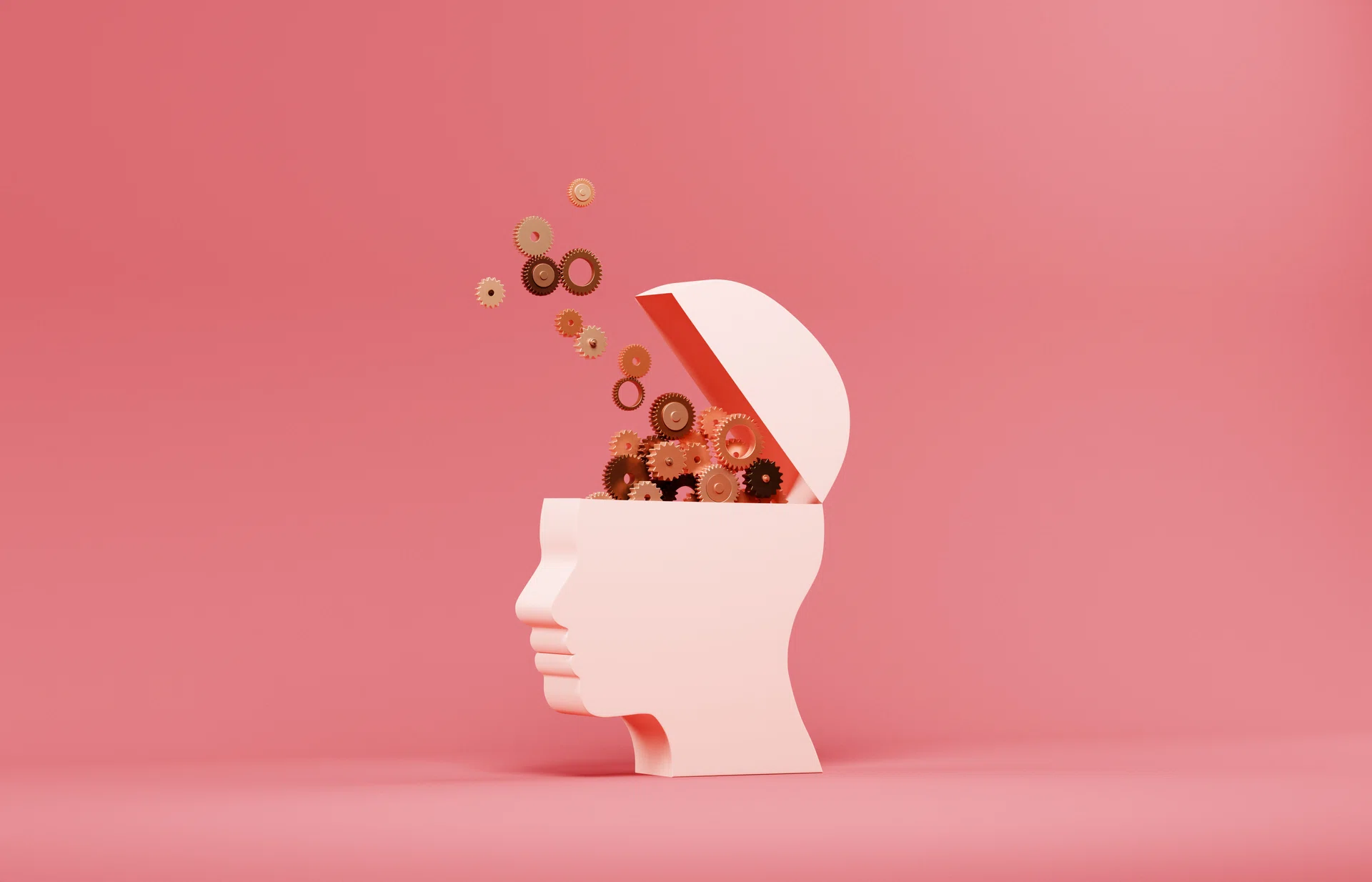
When life gets a little too much, everyone has a go-to way of dealing with it. Some of us raid the pantry after a rough day, some book a hair appointment for yet another change of look, and others hit the gym, albeit with suspicious intensity.
But there’s one we rarely think of as a coping habit: the aimless scroll. No notification, no destination, yet one quiet moment is all it takes to pick up the phone on autopilot. Within minutes, you’ve swiped through a stranger’s Instagram photo dump, browsed your shopping app again, and reloaded a feed that hasn’t changed since you last looked. And sometimes, we don’t even remember how we started.
It’s the ultimate low-effort coping mechanism: always available, entertaining and seemingly harmless. Everyone around us is doing it too.
So what keeps drawing us back? According to Sebastian Liew, herbalist and founder of holistic health and naturopathy centre Leaf of Life, it’s our innate desire for connection, whether to a spouse, friends, or even a higher power. It’s also a way to numb discomfort: a quick scroll can temporarily boost serotonin and oxytocin, the so-called “happy hormone” and “love hormone” respectively.
“When we lack connection and don’t know where to find it, or don’t want to connect even with the people around us, we still need an outlet to connect to something,” Sebastian explains. He adds that this is a completely normal human experience, and that scrolling can be an effective break from stress for many.
But like any coping mechanism, there needs to be boundaries. Over-reliance can leave us unfocused, foggy-headed and impulsive, which can strain our relationships too. Left unchecked, the lack of connection can also fuel anxiety. “If I spend all my time engrossed in my phone and hide in my little world, then it’s not safe,” he says.
Assessing your coping mechanisms
According to Annabelle Chow, founder and principal clinical psychologist of Annabelle Psychology, coping strategies appeal because they offer immediate relief when we feel overwhelmed or distressed. Throwing ourselves into work can make us feel productive and in control, spending money can bring a brief sense of excitement or reward, and food can be comforting and soothing.
However, telling “healthy” from “unhealthy” isn’t always straightforward, says Annabelle, though some strategies – like aggression and substance abuse – are clearly more harmful than others. A useful assessment for any coping strategy is to ask about its function and consequences: Is this helping me manage the situation, or creating an issue I’ll need to resolve later?
A helpful strategy generally manages stress, while still letting us function and adapt to what we’re going through. When it starts causing more harm than good, it’s time to rethink.
A right can still turn wrong
Here’s the hard truth: even a “good” coping strategy can turn unhealthy if it becomes excessive, hard to stop, or starts creating problems elsewhere in life. One sign, Annabelle says, is loss of flexibility: relying on the same strategy every time, rather than adjusting to what the situation needs.
Exercise supports well-being, for instance, but becomes harmful when someone can’t cut back despite injury or strained relationships, or when the situation calls for rest, support or problem-solving instead. Even confiding in someone we trust can become unhelpful if we keep going over the same problem without being able to move forward.
Self-care can also backfire when it’s used mainly to avoid or immediately get rid of uncomfortable emotions, rather than giving us space to experience and respond to them. Sometimes, feeling sad, anxious or frustrated is part of working through what’s happening, Annabelle says, and not something that we need to fix or escape from right away.
The only way over is through
Relief, however, is not the same as resolution, Annabelle asserts. Coping strategies can change how we feel in the moment, but not what caused the distress in the first place.
Used as breaks, they can be healthy, especially when they’re intentional and temporary, like a five-minute walk or a chat with a colleague. The trouble starts when breaks turn into avoidance. Repeatedly trying not to think about or deal with something can mean that we put off conversations, situations or decisions because they stir up difficult feelings. It may feel helpful in the short term, but if it becomes our main response, it keeps the problem going.
Two questions worth asking yourself: Is this break helping me feel more able to cope, or just enabling me postpone it again? And once I feel calmer, do I come back to it?
Sometimes, the answer is to tackle the cause directly, such as breaking an insurmountable problem into smaller, achievable tasks. More importantly, don’t be afraid to seek professional help when your coping mechanisms no longer feel like enough.