%22%3E%3Cpath%20fill%3D%22%23000%22%20d%3D%22M79.702%2078.555c0%2033.03%2018.767%2046.361%2035.801%2046.361%2014.149%200%2029.738-7.033%2034.505-28.595l-1.445-.306c-3.61%2015.903-14.005%2027.371-33.06%2027.371-13.86%200-13.716-22.173-13.716-41.594V67.415h49.662c0-23.393-13.136-40.674-35.946-40.674-17.034%200-35.801%2018.94-35.801%2051.814m35.801-50.283c14.437%200%2014.005%2026.455%2013.861%2037.617h-27.573c-.004-18.353.865-37.617%2013.712-37.617%22%2F%3E%3C%2Fg%3E%3Cmask%20id%3D%22b%22%20width%3D%22603%22%20height%3D%22126%22%20x%3D%220%22%20y%3D%220%22%20maskUnits%3D%22userSpaceOnUse%22%20style%3D%22mask-type%3Aluminance%22%3E%3Cpath%20fill%3D%22%23fff%22%20d%3D%22M602.5%200H.5v125.074h602z%22%2F%3E%3C%2Fmask%3E%3Cg%20mask%3D%22url(%23b)%22%3E%3Cpath%20fill%3D%22%23000%22%20d%3D%22M86.81%20105.474h-1.445c0%2010.547-4.475%2011.463-5.483%2011.463-2.454%200-4.475-3.514-4.475-11.921V48.264c0-14.83-10.826-21.558-22.229-21.558-10.97%200-22.66%206.118-25.983%2017.276V8.478c-.515-4.763-4.26-8.48-8.893-8.48H.522v1.53H.5c2.886%200%204.763%201.988%204.763%205.045v110.211c0%203.057-1.877%205.045-4.763%205.045h.022v1.531h31.423v-1.531h.021c-2.885%200-4.762-1.988-4.762-5.045V50.252c0-10.395%208.949-18.806%2016.31-18.806%205.338%200%209.813%204.13%209.813%2014.83v58.74c0%2013.909%207.796%2019.874%2016.165%2019.874%209.958.005%2017.318-6.418%2017.318-19.416%22%2F%3E%3C%2Fg%3E%3Cmask%20id%3D%22c%22%20width%3D%22603%22%20height%3D%22126%22%20x%3D%220%22%20y%3D%220%22%20maskUnits%3D%22userSpaceOnUse%22%20style%3D%22mask-type%3Aluminance%22%3E%3Cpath%20fill%3D%22%23fff%22%20d%3D%22M602.5%200H.5v125.074h602z%22%2F%3E%3C%2Fmask%3E%3Cg%20mask%3D%22url(%23c)%22%3E%3Cpath%20fill%3D%22%23000%22%20d%3D%22M225.911%2042.197c0-10.552-11.259-16.818-22.954-16.818-10.682%200-21.513%205.045-25.119%2016.975v-7.352c-.48-4.574-3.977-8.148-8.364-8.398h-18.322v1.53h-.022c2.886%200%204.763%201.99%204.763%205.046v81.371h.004c.293%204.814%203.942%208.633%208.509%208.846v.004h18.173v-1.53h.022c-2.886%200-4.763-1.989-4.763-5.045V48.62c0-10.552%209.094-19.269%2016.602-19.269%204.763%200%208.805%203.672%209.386%2012.693%200%206.881%204.619%2011.773%2011.119%2011.773%206.631%200%2010.966-4.587%2010.966-11.62%22%2F%3E%3C%2Fg%3E%3Cmask%20id%3D%22d%22%20width%3D%22603%22%20height%3D%22126%22%20x%3D%220%22%20y%3D%220%22%20maskUnits%3D%22userSpaceOnUse%22%20style%3D%22mask-type%3Aluminance%22%3E%3Cpath%20fill%3D%22%23fff%22%20d%3D%22M602.5%200H.5v125.074h602z%22%2F%3E%3C%2Fmask%3E%3Cg%20mask%3D%22url(%23d)%22%3E%3Cpath%20fill%3D%22%23000%22%20d%3D%22M234.434%2028.315c2.925%200%205.583%202.312%206.779%205.863l29.782%2089.218h1.597l20.61-61.852%2020.609%2061.852h1.598l29.781-89.218c1.196-3.556%203.855-5.863%206.78-5.863h.183v-1.776h-11.538v1.776h.184c2.925%200%203.99%202.312%202.794%205.863l-18.082%2054.209-18.082-54.209c-1.196-3.556-.131-5.863%202.794-5.863h.183v-1.776h-33.343v1.776h.183c2.925%200%205.583%202.312%206.78%205.863l8.373%2025.058-9.705%2029.15-18.082-54.208c-1.196-3.556-.131-5.863%202.794-5.863h.184v-1.776h-33.344v1.776z%22%2F%3E%3C%2Fg%3E%3Cmask%20id%3D%22e%22%20width%3D%22603%22%20height%3D%22126%22%20x%3D%220%22%20y%3D%220%22%20maskUnits%3D%22userSpaceOnUse%22%20style%3D%22mask-type%3Aluminance%22%3E%3Cpath%20fill%3D%22%23fff%22%20d%3D%22M602.5%200H.5v125.074h602z%22%2F%3E%3C%2Fmask%3E%3Cg%20mask%3D%22url(%23e)%22%3E%3Cpath%20fill%3D%22%23000%22%20d%3D%22M377.826%20124.491c17.034%200%2038.211-15.699%2038.211-48.882%200-33.03-21.177-48.73-38.211-48.73-17.035%200-38.067%2015.857-38.067%2048.73.004%2033.026%2021.032%2048.882%2038.067%2048.882m0-96.085c13.86%200%2016.121%2028.24%2016.121%2047.356%200%2019.116-2.261%2047.198-16.121%2047.198-13.861%200-15.978-27.777-15.978-47.198%200-19.422%202.122-47.356%2015.978-47.356%22%2F%3E%3C%2Fg%3E%3Cmask%20id%3D%22f%22%20width%3D%22603%22%20height%3D%22126%22%20x%3D%220%22%20y%3D%220%22%20maskUnits%3D%22userSpaceOnUse%22%20style%3D%22mask-type%3Aluminance%22%3E%3Cpath%20fill%3D%22%23fff%22%20d%3D%22M602.5%200H.5v125.074h602z%22%2F%3E%3C%2Fmask%3E%3Cg%20mask%3D%22url(%23f)%22%3E%3Cpath%20fill%3D%22%23000%22%20d%3D%22M490.482%2042.197c0-10.552-11.258-16.818-22.953-16.818-10.683%200-21.513%205.045-25.119%2016.975v-7.352c-.48-4.574-3.977-8.148-8.365-8.398h-18.326v1.53h-.022c2.886%200%204.763%201.99%204.763%205.046v81.371h.004c.293%204.814%203.943%208.633%208.509%208.846v.004h18.173v-1.53h.022c-2.885%200-4.763-1.989-4.763-5.045V48.62c0-10.552%209.094-19.269%2016.602-19.269%204.763%200%208.806%203.672%209.386%2012.693%200%206.881%204.619%2011.773%2011.119%2011.773%206.64%200%2010.97-4.587%2010.97-11.62%22%2F%3E%3C%2Fg%3E%3Cmask%20id%3D%22g%22%20width%3D%22603%22%20height%3D%22126%22%20x%3D%220%22%20y%3D%220%22%20maskUnits%3D%22userSpaceOnUse%22%20style%3D%22mask-type%3Aluminance%22%3E%3Cpath%20fill%3D%22%23fff%22%20d%3D%22M602.5%200H.5v125.074h602z%22%2F%3E%3C%2Fmask%3E%3Cg%20mask%3D%22url(%23g)%22%3E%3Cpath%20fill%3D%22%23000%22%20d%3D%22M602.5%20103.974h-1.445c0%2010.553-4.474%2011.468-5.483%2011.468-2.453%200-4.474-3.519-4.474-11.925V6.585c0-3.056%201.877-5.045%204.762-5.045h-.166V.01h-17.715c-4.942%200-8.953%204.24-8.962%209.475h-.009v23.333c-6.063-3.977-9.84-5.503-16.48-5.503-17.034%200-35.801%2014.169-35.801%2047.046%200%2033.183%2013.101%2050.718%2035.801%2050.718%208.085%200%2013.302-2.294%2019.942-8.254%203.03%204.587%207.797%206.575%2012.704%206.575%209.966-.004%2017.326-6.427%2017.326-19.426m-30.75%2011.625c-4.763%204.435-10.84%205.822-13.38%205.822-11.482%200-19.558-16.933-19.558-46.907%200-29.97%2010.914-43.222%2019.885-43.222%203.3%200%206.264.153%2010.307%203.057v69.172c.004%205.04%201.017%209.017%202.746%2012.078%22%2F%3E%3C%2Fg%3E%3Cmask%20id%3D%22h%22%20width%3D%22603%22%20height%3D%22126%22%20x%3D%220%22%20y%3D%220%22%20maskUnits%3D%22userSpaceOnUse%22%20style%3D%22mask-type%3Aluminance%22%3E%3Cpath%20fill%3D%22%23fff%22%20d%3D%22M602.5%200H.5v125.074h602z%22%2F%3E%3C%2Fmask%3E%3Cg%20mask%3D%22url(%23h)%22%3E%3Cpath%20fill%3D%22%23000%22%20d%3D%22M516.984%20121.865c-2.885%200-4.763-1.988-4.763-5.045V9.466C512.2%204.241%20508.196.01%20503.259.01h-17.724v1.53h-.022c2.89%200%204.763%201.989%204.763%205.045v108.418c.515%204.564%204.029%208.129%208.434%208.337v.06h18.252v-1.53h.022z%22%2F%3E%3C%2Fg%3E%3C%2Fsvg%3E)
Stop apologising: Women leaders on power, ambition and thriving in the workplace
This International Women’s Day, women leaders across Singapore share what power really means, and the conversations workplaces still need to have for women to thrive in their careers.
By Syed Zulfadhli -

Share this article
International Women’s Day is often a moment to celebrate progress, but it is also an opportunity to reflect on how power and leadership are evolving in today’s workplace.
Across industries, women leaders are redefining what influence really means. For some, it is about enabling others to grow and building workplaces where people feel empowered to speak up. For others, it means confronting uncomfortable truths about bias, representation and the invisible barriers that still shape women’s careers.
How Kay Lii, chief executive officer of SG Her Empowerment (SHE), challenges the culture of unnecessary apologies that many women still carry into the workplace. Meanwhile, Dr Seow Yian San, president of the Singapore Council of Women’s Organisations (SCWO), argues that women should not simply ask for a seat at the table, but redesign the table altogether.
Leaders like Sadhana Rai, chief representation officer at Pro Bono SG, and Esther Lee, managing director of Jobstreet by SEEK Singapore, also reflect on the power of judgment, quiet confidence and the structural changes still needed for women to move from surviving at work to truly thriving.
Their reflections offer a candid look at what power, leadership and ambition mean for women today.
Dr Seow Yian San, President of the Singapore Council of Women’s Organisations (SCWO) and orthodontist

Dr Seow Yian San, President of the Singapore Council of Women’s Organisations (SCWO) and orthodontist
What does power in the workplace mean to you today?
Power is not about being the loudest in the room. It’s about whose voice moves the needle. Real influence comes from credibility, clarity, and the ability to shape decisions that matter.
Which leadership trait in women do you believe is most underestimated and why?
Decisiveness.
When women are decisive, their style is often debated. When men are decisive, their strength is praised. The leadership behaviour is identical – only the lens is different.
This double standard continues to shape how women’s leadership is perceived, even when their judgment and outcomes speak for themselves.
What’s one thing women should stop apologising for at work?
Owning their achievements.
If you earned it, own it. Confidence is not arrogance. It’s clarity about your worth and the value you bring to the table.
What conversations are we still avoiding, and what needs to change for women to truly thrive and not just survive in the workplace?
We still treat caregiving as a personal issue instead of an economic one.
Until care work is properly recognised and valued, women will continue to carry invisible costs – in time, career progression, and financial security. Thriving requires acknowledging caregiving as part of the economic infrastructure that enables societies and workplaces to function.
This International Women’s Day, the message I want to share with women everywhere is:
Don’t just ask for a seat. Redesign the table.
How Kay Lii, Chief Executive Officer, SG Her Empowerment (SHE)

How Kay Lii, Chief Executive Officer, SG Her Empowerment (SHE)
What does power in the workplace mean to you today?
Power, to me, is agency – the freedom to act fearlessly and make choices aligned with your values and purpose. I came into this work as an outsider. I didn’t know enough about the sector to be afraid, and that gave me the freedom to move, decide, and take responsibility for outcomes.
I often think of the Spider-Man line: with great power comes great responsibility. The how matters. Every day, I ask myself how I can use the power entrusted to me responsibly. Sometimes I even question whether that power is legitimately mine. It’s still a work in progress.
Which leadership trait in women do you believe is most underestimated and why?
Honesty – especially the willingness to say, “I don’t know.” The challenges we face today move at a speed and scale previous generations didn’t have to navigate.
My team and I deal with complex issues around online harms and gender norms that are deeply interconnected and constantly evolving. Being honest about that uncertainty is not weakness. It takes self-awareness and courage to admit you are still learning.
Leadership, even in uncertainty, is about resisting simplistic narratives, listening deeply, and making decisions that are principled but practical – especially when the answers are uncomfortable or incomplete.
What’s one thing women should stop apologising for at work?
Caregiving.
I am a mother of two young children. I do the school runs, the homework, the bedtime routines – and I don’t apologise for it. Singapore places enormous demands on working mothers. The mental load is real, the hours are real, and so is the judgement.
Caregiving is not a distraction from work. It reflects discipline, prioritisation, and emotional capacity – the very qualities that make someone effective at their job.
What conversations are we still avoiding, and what needs to change for women to truly thrive and not just survive in the workplace?
Perimenopause and menopause. We are barely having this conversation, yet many women are navigating it while continuing to perform at work.
Symptoms such as fatigue, memory lapses, or difficulty concentrating are physiological, but they are often misread as disengagement or declining capability. That misunderstanding harms women’s credibility.
We need to normalise the conversation, train managers, and build policies that acknowledge this stage of life. Women should not have to choose between their health and their professional reputation.
This International Women’s Day, the message I want to share with women everywhere is:
Stop apologising. For taking up space. For having ambitions that make others uncomfortable. For leaving work at 5pm because your child needs you. For not having all the answers.
Every unnecessary apology is a small surrender of power. You are allowed to take up exactly as much space as you need – no apology required.
Sadhana Rai, Chief Representation Officer, Pro Bono SG

Sadhana Rai, Chief Representation Officer, Pro Bono SG
What does power in the workplace mean to you today?
Power is the ability to make principled decisions without fear. It is the capacity to influence outcomes without needing to dominate the room, and to create space for others to be heard.
Real power lies in being trusted and respected, and using that trust responsibly.
Which leadership trait in women do you believe is most underestimated and why?
Women’s judgment is often underestimated. Women are frequently second-guessed, paraphrased, or labelled indecisive simply because we process and express ideas differently.
Good judgment does not need to announce itself loudly. The ability to hold nuance, weigh competing interests, and make calibrated decisions reflects disciplined discernment, and it often leads to more thoughtful, sustainable outcomes.
What’s one thing women should stop apologising for at work?
Speaking up, especially for ourselves.
Many of us still begin our contributions with “Sorry, but can I say something?” We should not need to apologise in order to be heard. Our role is to contribute our expertise and perspectives. We belong at the table.
What conversations are we still avoiding, and what needs to change for women to truly thrive and not just survive in the workplace?
We are still avoiding honest conversations about power, bias, and the unequal costs of participation.
Women who take their seat at the table are often expected to continually prove their legitimacy, frequently working harder and longer to be taken seriously. Progress has been made in opening doors, but a deeper question remains: have we achieved true cognitive equality?
Too often, women are asked to adapt to systems that were never designed with them in mind, rather than being invited to help redesign those systems. Equality is sometimes mistaken for sameness, when in reality thoughtful recognition of differences can lead to more sustainable outcomes for everyone.
Real progress requires structural change and leadership willing to challenge assumptions, confront discomfort, and rethink how workplaces are designed.
This International Women’s Day, the message I want to share with women everywhere is:
You are enough. You do not need to become someone else to deserve your place at the table.
Esther Lee, Managing Director, Jobstreet by SEEK (Singapore)

Esther Lee, Managing Director, Jobstreet by SEEK (Singapore)
What does power in the workplace mean to you today?
To me, power is less about hierarchy or authority and more about the privilege to influence and the responsibility to develop people and teams.
True leadership creates environments where people feel safe to contribute, challenge ideas, and work towards a shared vision. Power is not about control; it is about building trust, shaping direction, and removing barriers.
Over time, I’ve come to see power less as something you hold, and more as something you enable in others. The strongest teams are built when leadership is shared and people feel invested in a common goal.
Which leadership trait in women do you believe is most underestimated and why?
Quiet confidence is often misunderstood.
We tend to associate leadership with visibility – being loud or overtly authoritative. Yet some of the most effective leaders I’ve worked with are steady, thoughtful, and deliberate.
They listen carefully, reflect deeply, and speak with clarity and purpose when it matters. In many workplaces, we reward performative leadership over thoughtful leadership. But impact should be measured by contribution and outcomes, not volume.
Many women lead with quiet confidence and thoughtful conviction. This style deserves greater recognition and support.
What’s one thing women should stop apologising for at work?
Wanting balance and setting boundaries.
For too long, commitment has been equated with being constantly available. But sustainable leadership requires clarity about where your energy should go.
Earlier in my career, I prided myself on always going the extra mile. Those values still matter to me, but experience has taught me the importance of prioritisation. Learning to say “no” respectfully was uncomfortable at first, but it allowed me to focus on where I could create the greatest impact – both professionally and personally.
Boundaries are not a lack of ambition. They are a strategy for longevity.
What conversations are we still avoiding, and what needs to change for women to truly thrive and not just survive in the workplace?
We often talk about confidence and resilience as if thriving were purely an individual responsibility. But thriving is also shaped by workplace structures.
Our Workplace Happiness Index shows that only 37 per cent of workers feel positive about their career progression, with women reporting lower satisfaction around advancement and feeling valued. That signals systemic gaps.
Women’s careers frequently intersect with caregiving responsibilities and shifting life stages. If we want women to thrive, organisations must build transparent career pathways, fair evaluation criteria, and cultures that recognise contribution without demanding constant sacrifice.
For me, maintaining a balanced life outside of work – whether through family, health, friendships, or simply rest –allows me to show up as a better colleague and leader.
This International Women’s Day, the message I want to share with women everywhere is:
You do not need to shrink yourself to succeed. You are worthy of the same opportunities, recognition, and space as anyone else.
Trust your experience, step into your power with confidence, and amplify your voice – because the world needs to hear women’s perspectives now more than ever.
Casherine Goh, Chairperson (9th executive committee), Young Women’s Leadership Connection (YWLC) and director of a global asset management company

Casherine Goh, chairperson (9th executive committee), Young Women’s Leadership Connection (YWLC) and director of a global asset management company
What does power in the workplace mean to you today?
To me, power is anchored in three I’s: Integrity, inspire, and impact.
Power is not defined by title or authority, but by how a leader shows up each day. The female leaders I admire are values-driven. They lead with integrity, remain firm in their principles even under pressure, and inspire others to pursue something larger than themselves.
When conviction translates into meaningful impact, that is real power.
Which leadership trait in women do you believe is most underestimated and why?
The discipline to start with “why.”
Many influential women leaders I have worked with do not rush into execution. They begin by asking why something matters and why change is necessary. When challenges arise, they ask: why not?
Understanding the “why” brings clarity of purpose and turns problem-solving into vision-setting. In a world that rewards speed, the courage to pause and seek clarity first is powerful, and often underestimated.
At YWLC, we emphasise that leadership development begins with leading oneself. Building self-awareness is essential before leading others, and our leadership framework reflects this principle.
What’s one thing women should stop apologising for at work?
Our emotional intelligence.
Traits such as empathy, collaboration, and nurturing are sometimes dismissed as soft skills. In reality, they are leadership strengths. Leaders who read the room, invest in their people, and create psychological safety build stronger, more resilient teams.
The most effective leaders combine competence with compassion – a combination that drives sustainable results.
What conversations are we still avoiding, and what needs to change for women to truly thrive and not just survive in the workplace?
One conversation we still avoid is how women can sometimes become the harshest critics of other women, often due to pressure, high expectations, and the fear of making mistakes.
I experienced this early in my career. Yet through my work with YWLC, I have also seen how community, mentorship, and peer support can uplift women in powerful ways.
Workplaces must intentionally create these environments – encouraging mentorship, fostering honest conversations, and providing opportunities for connection. When women feel safe to take risks, learn from mistakes, and grow without disproportionate scrutiny, they move from survival to true leadership.
This International Women’s Day, the message I want to share with women everywhere is:
Empowered women empower women.
Advocate for the woman next to you. Open doors for her. Speak her name in rooms she is not in. When women uplift one another, progress becomes collective, and leadership becomes stronger for it.
Wong Sze Keed, Chief Executive Officer, AIA Singapore

Wong Sze Keed, Chief Executive Officer, AIA Singapore
What does power in the workplace mean to you today?
To me, true power lies in enablement. As a leader, my role has shifted from what I can personally achieve to what I can enable others to accomplish and become.
It is about creating an environment where people can thrive, nurturing the next generation of leaders, and empowering them to make meaningful decisions that benefit both the organisation and our customers.
Power also means clearing the path for others. I believe it is a responsibility to break down the barriers I once faced, mentor emerging talent, and amplify diverse voices so that success becomes collective rather than individual.
Which leadership trait in women do you believe is most underestimated and why?
Compassion is one of the most underestimated leadership traits.
It is often dismissed as a soft skill, yet in reality it is a strategic advantage. Compassion enables leaders to cultivate psychological safety and a culture where people feel seen, heard and supported.
When employees feel valued, they are more willing to innovate, collaborate and perform at their best. That humanity strengthens teams and ultimately leads to stronger business outcomes.
What’s one thing women should stop apologising for at work?
Asking questions.
There is often pressure to appear as though we have all the answers, and many women worry that asking questions might signal a lack of competence. In reality, curiosity and the courage to seek clarity are signs of engagement and leadership potential.
Thoughtful questions challenge assumptions, sharpen ideas and drive better decisions. Seeking understanding is not something to apologise for – it is how progress happens.
What conversations are we still avoiding, and what needs to change for women to truly thrive and not just survive in the workplace?
We still avoid honest conversations about unconscious bias.
Leadership behaviours are often interpreted differently through the lens of gender. Qualities such as assertiveness and ambition may be praised in men yet judged more critically in women. Until we openly acknowledge these double standards, progress will remain limited.
For women to truly thrive, organisations must move beyond awareness to systemic change – embedding equity into hiring, promotion and leadership development, while creating psychologically safe environments where diverse voices are genuinely heard in decision-making.
This International Women’s Day, the message I want to share with women everywhere is:
Pursue your ambitions with confidence and persistence. Trust your abilities, speak up for what matters, and remember that your talent, resilience and perspective are powerful forces for change.
Lee Sze Yeng, Managing Partner, KPMG

Lee Sze Yeng, Managing Partner, KPMG
What does power in the workplace mean to you today?
Power in the workplace today is about taking charge to create meaningful impact – for yourself and for others. While organisations are increasingly building environments that empower women, true power ultimately comes from within: the courage to pursue what you want to achieve, master, or become.
Whether it’s developing a new skill, stepping into a challenging role, or building influence in your field, growth often begins outside your comfort zone.
Early in my career, I had opportunities to work across markets such as Australia and the UK. Those experiences taught me the value of stepping into unfamiliar environments and growing through them. Today, I try to lead by encouraging others to take similar bold steps. Ultimately, power lies in creating opportunities – both for yourself and for those around you.
Which leadership trait in women do you believe is most underestimated and why?
Resilience is often underestimated. It shows up in consistency, discipline, and the ability to stay composed in complex situations.
Resilience is not simply about enduring challenges; it is about navigating them with clarity and purpose. In my own journey, it has helped me embrace opportunities that initially felt outside my comfort zone – from global mobility assignments to leading unfamiliar areas of the business.
Leaders who demonstrate this kind of resilience bring stability and confidence to their teams – qualities that are especially valuable in today’s fast-changing business landscape.
What conversations are we still avoiding, and what needs to change for women to truly thrive and not just survive in the workplace?
We need to continue having honest conversations about creating environments where everyone has equal opportunity to thrive. Success should not be defined by a single template.
At the same time, women must remain confident and proactive. If speaking up feels difficult, find the courage to share your ideas. If your contributions are overlooked, seek out sponsors who can champion your work.
Throughout my career, I benefited from leaders who trusted me to navigate my own path. That trust played a pivotal role in my growth, and I hope organisations continue to cultivate it so more people can succeed.
This International Women’s Day, the message I want to share with women everywhere is:
“Trust is one of the most powerful assets you can build. Lead with integrity, stay connected to those around you, and let your leadership inspire confidence and growth in others.”
Uma Thana Balasingam, Founder, The ELEVATE Group, Lean In Network Singapore, RAW with UMA, The Careerquake

Uma Thana Balasingam, Founder, The ELEVATE Group, Lean In Network Singapore, RAW with UMA, The Careerquake
What does power in the workplace mean to you today?
Power is the ability to influence decisions that shape outcomes, not simply execute within them. It shows up when your voice carries weight in rooms where strategy, resources, and opportunities are determined.
True workplace power is structural. It combines access, credibility, advocacy, and the ability to convert influence into tangible career movement – for yourself and for others.
Which leadership trait in women do you believe is most underestimated and why?
Discernment.
Women often read context, politics, and interpersonal dynamics faster and more accurately than many of their peers, yet this capability is frequently dismissed as “soft.”
In reality, discernment is strategic intelligence. It shapes timing, alliance-building, and positioning – factors that often determine whether someone gains visibility or remains overlooked at senior levels.
What’s one thing women should stop apologising for at work?
Ambition.
The desire for progression, recognition, compensation, or authority does not require justification. Apologising for ambition subtly signals uncertainty about one’s entitlement to growth – weakening negotiating power before the conversation even begins.
What conversations are we still avoiding, and what needs to change for women to truly thrive and not just survive in the workplace?
We avoid talking openly about power distribution. Many organisations celebrate inclusion rhetorically while decision-making authority remains concentrated within homogeneous networks.
Thriving requires moving beyond participation metrics to influence metrics: who sponsors whom, who speaks for you when you are not present, and who allocates stretch opportunities. Until these mechanisms become transparent and intentional, women will continue to perform well without proportionate advancement.
This International Women’s Day, the message I want to share with women everywhere is:
Make this the year you take ownership of your visibility – ensuring your work, voice, and ambition are seen, heard, and valued.
Carolyn Wishnowski, Vice President, Global Branding, Marketing and Loyalty, Millennium Hotels and Resorts (MHR)
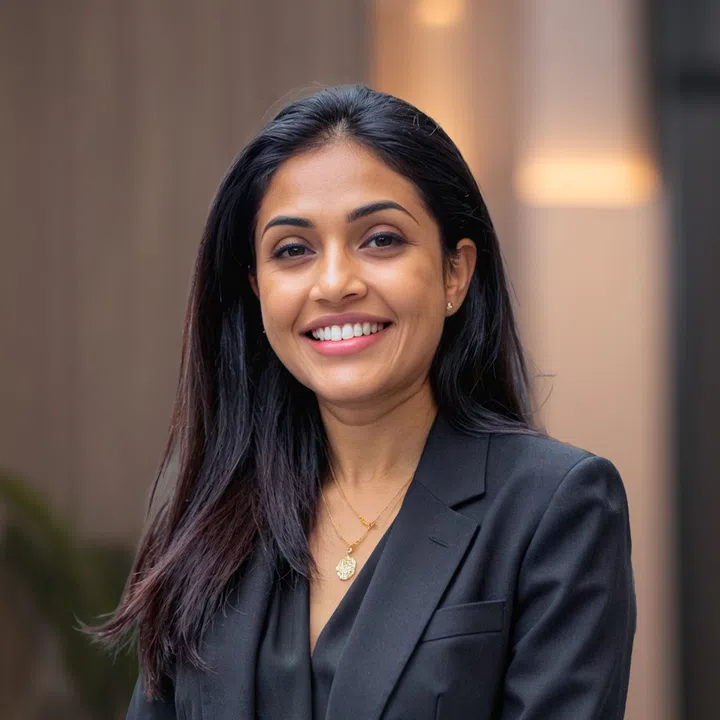
Carolyn Wishnowski, Vice President, Global Branding, Marketing and Loyalty, Millennium Hotels and Resorts (MHR)
What does power in the workplace mean to you today?
In hospitality, leadership is rarely exercised behind a desk. It shows up in how teams interact with guests and with one another every day.
To me, power today is less about hierarchy and more about influence. It’s about shaping culture, aligning people around a shared vision, and creating an environment where teams feel empowered to do their best work.
In leading our global branding and loyalty team in Singapore, I focus on giving people ownership rather than just tasks. We align on the vision and outcomes we want to achieve, but I trust the team to determine how to get there. That trust builds accountability and confidence. When people feel supported rather than micromanaged, they think more strategically and are more willing to propose bold ideas.
For me, that’s what modern leadership looks like: empowered teams delivering meaningful impact together.
Which leadership trait in women do you believe is most underestimated and why?
Empathy.
I see empathy as a quiet strength and one of the most valuable qualities a leader can have. It helps leaders understand colleagues, customers and the broader context in which decisions are made.
During a period of organisational transition, our team faced heavy workloads while some colleagues were also navigating major life moments such as pregnancy and family commitments. Rather than taking a rigid approach, we introduced flexible arrangements, adjusted timelines and redistributed responsibilities to ensure the team remained supported.
Empathy in leadership is not about lowering expectations. It is about recognising that people perform best when they feel trusted and supported. When leaders model that behaviour, teams often mirror it in how they collaborate and serve others.
What’s one thing women should stop apologising for at work?
Ambition.
When women speak openly about their ambitions, it expands how leadership is perceived. Having clarity about your goals, standards and boundaries does not need to be softened.
Ambition paired with empathy can be a powerful combination. Women can be collaborative and thoughtful while also being decisive and bold – those qualities strengthen teams, cultures and businesses.
What conversations are we still avoiding, and what needs to change for women to truly thrive and not just survive in the workplace?
We often talk about resilience, but not enough about structural support.
For women to thrive, organisations must ensure access to mentorship, sponsorship and representation in decision-making spaces. Leaders of all genders have a role to play in opening doors and advocating for others.
Ultimately, workplaces should not be environments where women are expected to simply endure challenges. Organisations must build cultures and systems that allow people to grow, contribute and succeed.
This International Women’s Day, the message I want to share with women everywhere is:
Stay anchored to your purpose, even when the path ahead feels uncertain.
One of the most important lessons my mother taught me was to trust my instincts and never apologise for working hard for the life I want. I hope more women feel confident to take up space, use their voice and lead in their own way.