%22%3E%3Cpath%20fill%3D%22%23000%22%20d%3D%22M79.702%2078.555c0%2033.03%2018.767%2046.361%2035.801%2046.361%2014.149%200%2029.738-7.033%2034.505-28.595l-1.445-.306c-3.61%2015.903-14.005%2027.371-33.06%2027.371-13.86%200-13.716-22.173-13.716-41.594V67.415h49.662c0-23.393-13.136-40.674-35.946-40.674-17.034%200-35.801%2018.94-35.801%2051.814m35.801-50.283c14.437%200%2014.005%2026.455%2013.861%2037.617h-27.573c-.004-18.353.865-37.617%2013.712-37.617%22%2F%3E%3C%2Fg%3E%3Cmask%20id%3D%22b%22%20width%3D%22603%22%20height%3D%22126%22%20x%3D%220%22%20y%3D%220%22%20maskUnits%3D%22userSpaceOnUse%22%20style%3D%22mask-type%3Aluminance%22%3E%3Cpath%20fill%3D%22%23fff%22%20d%3D%22M602.5%200H.5v125.074h602z%22%2F%3E%3C%2Fmask%3E%3Cg%20mask%3D%22url(%23b)%22%3E%3Cpath%20fill%3D%22%23000%22%20d%3D%22M86.81%20105.474h-1.445c0%2010.547-4.475%2011.463-5.483%2011.463-2.454%200-4.475-3.514-4.475-11.921V48.264c0-14.83-10.826-21.558-22.229-21.558-10.97%200-22.66%206.118-25.983%2017.276V8.478c-.515-4.763-4.26-8.48-8.893-8.48H.522v1.53H.5c2.886%200%204.763%201.988%204.763%205.045v110.211c0%203.057-1.877%205.045-4.763%205.045h.022v1.531h31.423v-1.531h.021c-2.885%200-4.762-1.988-4.762-5.045V50.252c0-10.395%208.949-18.806%2016.31-18.806%205.338%200%209.813%204.13%209.813%2014.83v58.74c0%2013.909%207.796%2019.874%2016.165%2019.874%209.958.005%2017.318-6.418%2017.318-19.416%22%2F%3E%3C%2Fg%3E%3Cmask%20id%3D%22c%22%20width%3D%22603%22%20height%3D%22126%22%20x%3D%220%22%20y%3D%220%22%20maskUnits%3D%22userSpaceOnUse%22%20style%3D%22mask-type%3Aluminance%22%3E%3Cpath%20fill%3D%22%23fff%22%20d%3D%22M602.5%200H.5v125.074h602z%22%2F%3E%3C%2Fmask%3E%3Cg%20mask%3D%22url(%23c)%22%3E%3Cpath%20fill%3D%22%23000%22%20d%3D%22M225.911%2042.197c0-10.552-11.259-16.818-22.954-16.818-10.682%200-21.513%205.045-25.119%2016.975v-7.352c-.48-4.574-3.977-8.148-8.364-8.398h-18.322v1.53h-.022c2.886%200%204.763%201.99%204.763%205.046v81.371h.004c.293%204.814%203.942%208.633%208.509%208.846v.004h18.173v-1.53h.022c-2.886%200-4.763-1.989-4.763-5.045V48.62c0-10.552%209.094-19.269%2016.602-19.269%204.763%200%208.805%203.672%209.386%2012.693%200%206.881%204.619%2011.773%2011.119%2011.773%206.631%200%2010.966-4.587%2010.966-11.62%22%2F%3E%3C%2Fg%3E%3Cmask%20id%3D%22d%22%20width%3D%22603%22%20height%3D%22126%22%20x%3D%220%22%20y%3D%220%22%20maskUnits%3D%22userSpaceOnUse%22%20style%3D%22mask-type%3Aluminance%22%3E%3Cpath%20fill%3D%22%23fff%22%20d%3D%22M602.5%200H.5v125.074h602z%22%2F%3E%3C%2Fmask%3E%3Cg%20mask%3D%22url(%23d)%22%3E%3Cpath%20fill%3D%22%23000%22%20d%3D%22M234.434%2028.315c2.925%200%205.583%202.312%206.779%205.863l29.782%2089.218h1.597l20.61-61.852%2020.609%2061.852h1.598l29.781-89.218c1.196-3.556%203.855-5.863%206.78-5.863h.183v-1.776h-11.538v1.776h.184c2.925%200%203.99%202.312%202.794%205.863l-18.082%2054.209-18.082-54.209c-1.196-3.556-.131-5.863%202.794-5.863h.183v-1.776h-33.343v1.776h.183c2.925%200%205.583%202.312%206.78%205.863l8.373%2025.058-9.705%2029.15-18.082-54.208c-1.196-3.556-.131-5.863%202.794-5.863h.184v-1.776h-33.344v1.776z%22%2F%3E%3C%2Fg%3E%3Cmask%20id%3D%22e%22%20width%3D%22603%22%20height%3D%22126%22%20x%3D%220%22%20y%3D%220%22%20maskUnits%3D%22userSpaceOnUse%22%20style%3D%22mask-type%3Aluminance%22%3E%3Cpath%20fill%3D%22%23fff%22%20d%3D%22M602.5%200H.5v125.074h602z%22%2F%3E%3C%2Fmask%3E%3Cg%20mask%3D%22url(%23e)%22%3E%3Cpath%20fill%3D%22%23000%22%20d%3D%22M377.826%20124.491c17.034%200%2038.211-15.699%2038.211-48.882%200-33.03-21.177-48.73-38.211-48.73-17.035%200-38.067%2015.857-38.067%2048.73.004%2033.026%2021.032%2048.882%2038.067%2048.882m0-96.085c13.86%200%2016.121%2028.24%2016.121%2047.356%200%2019.116-2.261%2047.198-16.121%2047.198-13.861%200-15.978-27.777-15.978-47.198%200-19.422%202.122-47.356%2015.978-47.356%22%2F%3E%3C%2Fg%3E%3Cmask%20id%3D%22f%22%20width%3D%22603%22%20height%3D%22126%22%20x%3D%220%22%20y%3D%220%22%20maskUnits%3D%22userSpaceOnUse%22%20style%3D%22mask-type%3Aluminance%22%3E%3Cpath%20fill%3D%22%23fff%22%20d%3D%22M602.5%200H.5v125.074h602z%22%2F%3E%3C%2Fmask%3E%3Cg%20mask%3D%22url(%23f)%22%3E%3Cpath%20fill%3D%22%23000%22%20d%3D%22M490.482%2042.197c0-10.552-11.258-16.818-22.953-16.818-10.683%200-21.513%205.045-25.119%2016.975v-7.352c-.48-4.574-3.977-8.148-8.365-8.398h-18.326v1.53h-.022c2.886%200%204.763%201.99%204.763%205.046v81.371h.004c.293%204.814%203.943%208.633%208.509%208.846v.004h18.173v-1.53h.022c-2.885%200-4.763-1.989-4.763-5.045V48.62c0-10.552%209.094-19.269%2016.602-19.269%204.763%200%208.806%203.672%209.386%2012.693%200%206.881%204.619%2011.773%2011.119%2011.773%206.64%200%2010.97-4.587%2010.97-11.62%22%2F%3E%3C%2Fg%3E%3Cmask%20id%3D%22g%22%20width%3D%22603%22%20height%3D%22126%22%20x%3D%220%22%20y%3D%220%22%20maskUnits%3D%22userSpaceOnUse%22%20style%3D%22mask-type%3Aluminance%22%3E%3Cpath%20fill%3D%22%23fff%22%20d%3D%22M602.5%200H.5v125.074h602z%22%2F%3E%3C%2Fmask%3E%3Cg%20mask%3D%22url(%23g)%22%3E%3Cpath%20fill%3D%22%23000%22%20d%3D%22M602.5%20103.974h-1.445c0%2010.553-4.474%2011.468-5.483%2011.468-2.453%200-4.474-3.519-4.474-11.925V6.585c0-3.056%201.877-5.045%204.762-5.045h-.166V.01h-17.715c-4.942%200-8.953%204.24-8.962%209.475h-.009v23.333c-6.063-3.977-9.84-5.503-16.48-5.503-17.034%200-35.801%2014.169-35.801%2047.046%200%2033.183%2013.101%2050.718%2035.801%2050.718%208.085%200%2013.302-2.294%2019.942-8.254%203.03%204.587%207.797%206.575%2012.704%206.575%209.966-.004%2017.326-6.427%2017.326-19.426m-30.75%2011.625c-4.763%204.435-10.84%205.822-13.38%205.822-11.482%200-19.558-16.933-19.558-46.907%200-29.97%2010.914-43.222%2019.885-43.222%203.3%200%206.264.153%2010.307%203.057v69.172c.004%205.04%201.017%209.017%202.746%2012.078%22%2F%3E%3C%2Fg%3E%3Cmask%20id%3D%22h%22%20width%3D%22603%22%20height%3D%22126%22%20x%3D%220%22%20y%3D%220%22%20maskUnits%3D%22userSpaceOnUse%22%20style%3D%22mask-type%3Aluminance%22%3E%3Cpath%20fill%3D%22%23fff%22%20d%3D%22M602.5%200H.5v125.074h602z%22%2F%3E%3C%2Fmask%3E%3Cg%20mask%3D%22url(%23h)%22%3E%3Cpath%20fill%3D%22%23000%22%20d%3D%22M516.984%20121.865c-2.885%200-4.763-1.988-4.763-5.045V9.466C512.2%204.241%20508.196.01%20503.259.01h-17.724v1.53h-.022c2.89%200%204.763%201.989%204.763%205.045v108.418c.515%204.564%204.029%208.129%208.434%208.337v.06h18.252v-1.53h.022z%22%2F%3E%3C%2Fg%3E%3C%2Fsvg%3E)
A guide to charting your career in Singapore for millennials and Gen Zs
From soft skills to SG60 perks, here’s how to build a vocation that works for you
By Syed Zulfadhli -
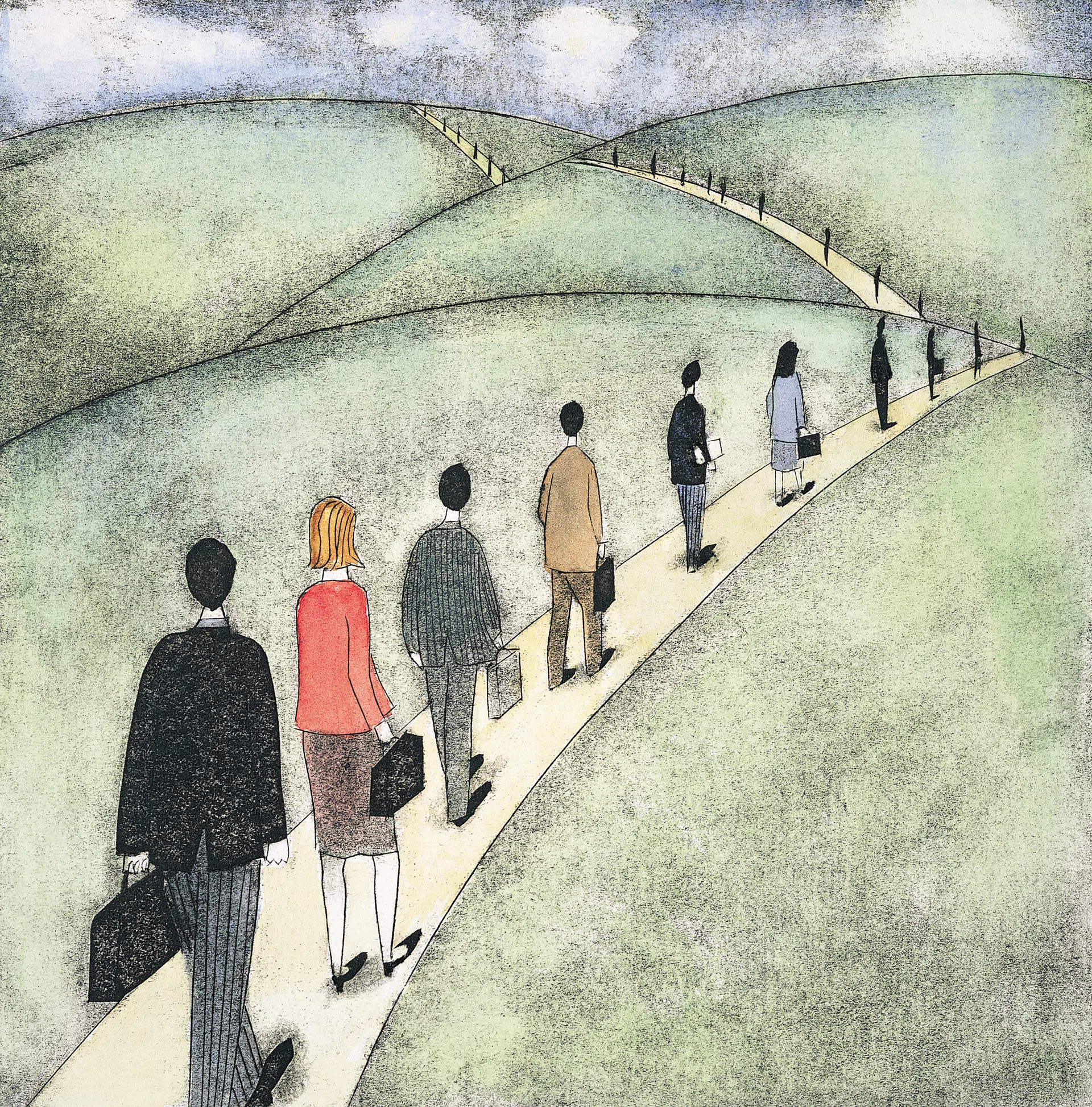
It starts like this: You’re staring at yet another job listing, scrolling past the words “dynamic environment” and “self-starter,” wondering if this is it, and if this is what you’re supposed to want. For many millennials and Gen Zs in Singapore, building a career feels less like climbing a ladder, and more like piecing together a puzzle – one where the pieces keep evolving.
Gone are the days when success meant sticking to one company, one role, or even one industry. Today’s career journey is far from linear – and that’s not a bug, but a feature. The good news? With a growing number of tools, support schemes and SG60 perks rolled out as part of Singapore’s 60th birthday celebrations, there’s never been a better time to take charge of your professional path.
There’s no one right route to success
A quiet revolution is reshaping how younger Singaporeans approach work. For many Gen Z and millennial professionals, success is no longer defined by job titles or corporate prestige, but by how well their careers align with personal values, mental well-being and lifestyle needs.
According to Singapore recruitment agency TG HR, 38 per cent of Gen Zs prioritise work-life balance over salary, while 81 per cent have left roles due to mental health concerns. A 2024 Jobstreet report echoes this, noting how “work-life balance” has evolved into “work-life expectations” – where flexibility, purpose and emotional sustainability are now non-negotiable.
Increasingly, younger professionals are also embracing freelance work, side gigs and hybrid roles that offer more autonomy and creative freedom. The rigid nine-to-five is giving way to careers that allow space to grow, reflect and live fully.
A separate Jobstreet piece underscores the importance of starting with clarity – understanding your motivations and long-term goals – rather than rushing into roles that simply “pay well”. In today’s world of work, alignment often matters more than urgency.
Consider checking in with your skill set
Before you can move forward, you need to take stock of what you have. Consider analysing your skill gaps – a career check-up that helps you compare where you are with where you want to go. The team at Ask Training breaks it down clearly: List your current hard and soft skills, research job requirements, and identify where the gaps are.
It’s like levelling up in a game – you need to know what tools you’re missing to unlock the next stage. With nearly 49 per cent of employees in Singapore reporting a poor understanding of market needs, the skill gaps analysis becomes a vital tool to stay competitive in the workforce.
Close your skill gaps intentionally
Once you’ve identified them, the next move is to close those gaps mindfully. Singapore offers a robust ecosystem for upskilling. As part of SG60, every Singaporean aged 21 and above will receive $600 in SG60 Vouchers, which can be spent on a wide range of services, including professional development and training.
The 2025 Budget also includes targeted enhancements to SkillsFuture initiatives, especially for mid-career workers, with training allowances and expanded programme options. Whether you’re eyeing a digital marketing course or a coding boot camp, the key is to choose courses that substantiate your resume by filling in your skill gaps.
And don’t underestimate on-the-job learning. Volunteering for new projects or taking on stretch assignments can often teach you just as much as a certificate.
But here’s the thing – career readiness isn’t just about technical skills. Some of the most valued abilities in the workplace today are the ones that don’t come with a certificate.
Make soft skills your superpower
In a world increasingly shaped by automation and AI, it’s your human skills that will stand out. Empathy, adaptability and collaboration – these are the qualities that set individuals apart in leadership and cross-functional roles, especially in dynamic, people-oriented workplaces.
While the focus is often on technical proficiency, career guidance platforms like Jobstreet highlight the importance of understanding your preferred work values and environments, suggesting that soft skills are just as vital. Similarly, Ask Training’s guide to skill gap analysis includes soft skills – like communication, leadership and problem-solving – as essential components of a strong personal inventory.
Building these skills doesn’t always require a formal course. Joining a public speaking group, mentoring a junior colleague, or leading a team project at work can offer meaningful ways to sharpen these intangible – but invaluable – strengths.
Build a career that fits your life
The rising cost of living – from rent to insurance and groceries – continues to weigh heavily on working Singaporeans. And while ambition remains a driving force, it doesn’t exist in isolation. Increasingly, millennials and Gen Zs are managing side hustles or multiple streams of income, not just in pursuit of passion, but out of practical necessity.
That’s why Budget 2025’s 60 per cent personal income tax rebate (capped at $200) is significant. Whether it’s easing the strain of rising daily expenses, or freeing up funds to invest in yourself, this amount will offer some breathing room for you to deal with your expenses.
You could, for instance, channel it into a SkillsFuture-funded short course in areas like digital marketing, coding, UX design or communication. Alternatively, it could go towards upgrading your work tools (say, a budget-friendly tablet or accessories), or even booking a session with a career coach.
At the end of the day, career planning involves not just upskilling, but also ensuring that you’re doing things for yourself sustainably. It means being clear about the kind of lifestyle you want, and setting boundaries that protect your well-being – because what’s the point of progress if it leads to burnout?
Once you’ve grounded yourself with the skills, structure and support you need, the next step is to give yourself permission to explore. More than being sustainable, staying still is also about having the capacity to evolve.
Explore, experiment and evolve
Not every career path involves a neat corporate ladder. More young Singaporeans are exploring freelance work, passion-led side projects, or even entrepreneurship. And with initiatives like the Private Credit Growth Fund ($1 billion) and the Corporate Income Tax Rebate (50 per cent, capped at $40,000) – as reported in the 2025 Singapore Budget – there’s real support for budding founders.
If you’re still figuring things out, take small bets. Experiment. Test and learn. Your career doesn’t have to be fully mapped out – it just has to keep moving.
You’re allowed to redefine your path
Finally, here’s the truth no one tells you enough: It’s okay not to have it all figured out. Careers aren’t a straight line – they involve chapters, experiments and reinventions. What matters is being open, curious and willing to adapt.
So take that course. Apply for that job. Say yes to that side gig. And if you’re still figuring it out? That’s okay too.